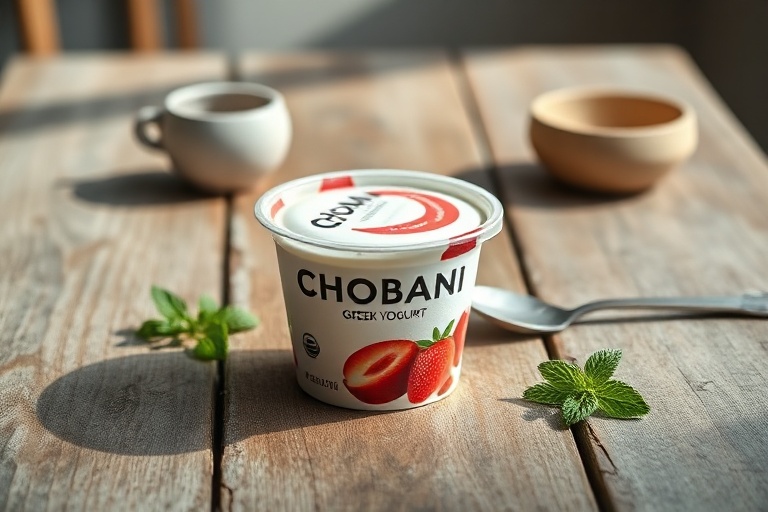
chobani
How a small Greek yogurt brand upended an entire industry—and why its legacy extends far beyond the dairy case.
The Humble Origins of a Market Disruptor
In 2005, Hamdi Ulukaya, a Turkish immigrant and former cheese factory worker, bought a defunct yogurt plant in upstate New York. His goal was simple: to bring authentic, thick, Greek-style yogurt to American consumers. At the time, yogurt aisles were dominated by mass-produced brands offering sugary, artificially flavored options. Ulukaya envisioned something different—a product made with real milk, no preservatives, and a recipe rooted in tradition.
The first batches of Chobani hit shelves in 2007, and the response was immediate. Shoppers were drawn to its rich texture, tangy flavor, and clean ingredient list. Unlike competitors that relied on laboratory-enhanced flavors, Chobani’s yogurt was made the old-fashioned way: cultured for hours to achieve its signature thickness. Within five years, the brand had captured 20% of the U.S. yogurt market, a feat that forced industry giants like Yoplait and Dannon to take notice.
Chobani’s rise wasn’t just about taste—it was about storytelling. Ulukaya, who immigrated to the U.S. at 22, often spoke about his grandmother’s yogurt recipes as inspiration. This narrative resonated with consumers weary of faceless corporate brands. The company’s early marketing leaned into authenticity, positioning itself as the anti-establishment choice in a category long dominated by processed foods.
From Shelf to Social: How Chobani Redefined Brand Loyalty
Chobani didn’t just sell yogurt; it sold an experience. The brand’s packaging—a sleek, minimalist cup with a distinctive green lid—became iconic almost overnight. But its real genius lay in how it connected with customers. In an era when social media was still finding its footing, Chobani leveraged platforms like Facebook and Twitter to foster a sense of community. It encouraged fans to share photos of their breakfast bowls, creating a user-generated marketing goldmine.
The company also took bold steps to engage directly with consumers. In 2011, Chobani launched its “Flip” campaign, inviting customers to customize their yogurt by adding mix-ins like honey, nuts, or fruit. This interactive approach turned a simple grocery purchase into a personal ritual. By 2014, Chobani had become the top-selling yogurt brand in the U.S., a title it held for years.
Beyond marketing, Chobani invested in transparency. In 2015, it became one of the first major food brands to disclose the locations of its dairy farms. This move wasn’t just about optics—it reflected a deeper commitment to ethical sourcing. Chobani’s “Milk Matters” initiative also worked with farmers to promote sustainable dairy practices, further solidifying its reputation as a brand with a conscience.
Key Milestones in Chobani’s Growth
- 2007: Chobani launches with three flavors in upstate New York.
- 2011: The “Flip” campaign debuts, allowing customers to personalize their yogurt.
- 2014: Chobani surpasses Yoplait to become the top yogurt brand in the U.S.
- 2015: The brand begins disclosing dairy farm locations, prioritizing transparency.
- 2016: Chobani expands into plant-based yogurts with the launch of Chobani Oat.
The Ripple Effect: How Chobani Changed the Food Industry
Chobani’s success forced the entire food industry to rethink its approach. Competitors scrambled to mimic its Greek yogurt formula, flooding shelves with “authentic” and “natural” options. Even General Mills, the parent company of Yoplait, had to pivot. In 2011, it acquired Annie’s Homegrown, a move that signaled a broader shift toward organic and clean-label products.
The brand’s influence extended beyond yogurt. Chobani proved that consumers were willing to pay a premium for products they perceived as healthier and more transparent. This shift accelerated the decline of brands reliant on artificial ingredients and marketing gimmicks. By 2020, the “clean label” trend had become a $200 billion market, a direct result of consumer demand for simplicity and honesty.
Chobani also demonstrated the power of purpose-driven branding. Ulukaya’s commitment to immigrant rights and sustainable farming aligned with the values of millennials and Gen Z, two demographics that prioritize ethics in their purchasing decisions. In 2016, Chobani partnered with the International Rescue Committee to hire refugees, a move that reinforced its reputation as a socially conscious company. This initiative wasn’t just good PR—it addressed a real labor shortage in the dairy industry while making a statement about inclusivity.
What’s Next for Chobani—and What It Means for Consumers
Today, Chobani remains a dominant force in the yogurt aisle, but its ambitions have grown. The company has expanded into plant-based products, including almond, coconut, and oat milk yogurts, catering to the booming alternative dairy market. In 2022, it acquired Noosa, an Australian yogurt brand known for its creamy texture and pumpkin-flavored varieties, further diversifying its portfolio.
However, Chobani faces new challenges. The plant-based yogurt market is crowded, with brands like Silk and Kite Hill vying for shelf space. Meanwhile, inflation has pushed consumers to prioritize affordability, forcing Chobani to balance premium pricing with accessibility. The company has responded by introducing smaller, more affordable formats and exploring direct-to-consumer sales.
Looking ahead, Chobani’s legacy may lie in its ability to adapt. The brand has shown that authenticity and innovation can coexist, a lesson that resonates in an era where consumers demand both tradition and progress. Whether it’s through sustainable farming, refugee hiring programs, or plant-based alternatives, Chobani continues to set the standard for what a modern food brand can—and should—be.
“Chobani didn’t just sell yogurt; it sold a better way to eat. And in doing so, it reminded the food industry that consumers don’t just want products—they want principles.”
— Industry Analyst, Food Navigator
Explore more about food industry trends: Food category on Dave’s Locker, or dive into business analysis for deeper insights into market shifts.
Have thoughts on Chobani’s impact? Share your perspective in the comments below.