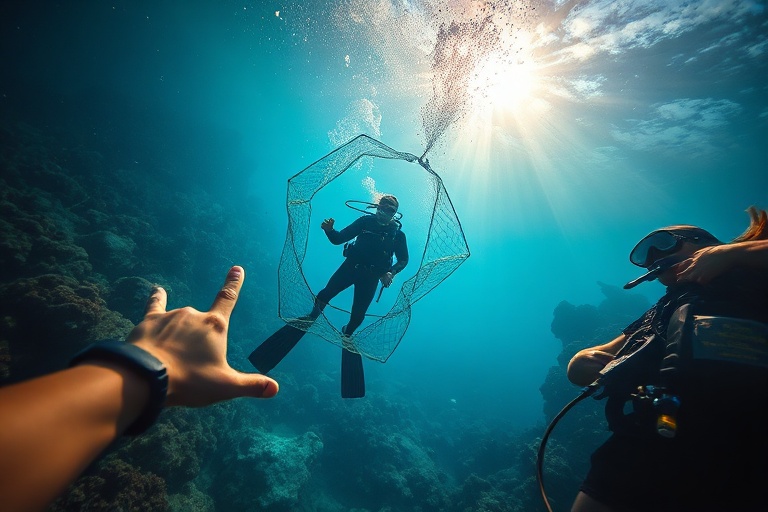
Maldives Diving Accident: Risks, Causes, and Safety Tips
The Maldives, renowned for its turquoise waters and vibrant marine life, attracts divers from around the world. Yet beneath its idyllic surface lies a reality where diving accidents can—and do—occur. Recent incidents have underscored the importance of safety protocols, environmental awareness, and preparedness for divers of all levels. Understanding these risks is not about discouraging exploration but about fostering a culture of responsibility and respect for the ocean.
The Rise in Diving Incidents in the Maldives
Over the past five years, the Maldives has seen a steady increase in diving-related accidents. According to data from the Maldives Police Service and local dive associations, incidents range from minor injuries to fatalities, with the majority involving tourists. The most common causes include strong currents, inadequate buoyancy control, and failure to follow safety briefings.
In 2023, the Maldives recorded 14 diving fatalities, up from 8 in 2019. While the total number of dives has also risen, the accident rate remains disproportionately high given the country’s reputation for world-class dive sites. Experts attribute part of this trend to the rapid expansion of diving tourism, which has outpaced the training and oversight of local dive operators.
Some of the most dangerous sites include the Maaya Thila and Banana Reef in North Male Atoll, where strong currents and deep drop-offs create challenging conditions even for experienced divers. The allure of encountering large pelagic species at these sites often leads divers to underestimate the risks.
Key Factors Contributing to Diving Accidents
- Overconfidence and Lack of Experience: Many accidents involve divers who overestimate their abilities, often due to certification obtained in calm, shallow waters. The Maldives’ oceanic environment demands advanced skills.
- Poor Buoyancy Control: Improper weighting or failure to manage buoyancy can lead to uncontrolled descents or ascents, increasing the risk of injury or drowning.
- Inadequate Briefings: Some dive operators rush through safety protocols, leaving divers unaware of site-specific hazards like currents or marine life behavior.
- Environmental Factors: Sudden changes in weather, strong thermoclines, and unpredictable currents can turn a routine dive into a dangerous situation.
- Equipment Failures: Faulty gear, such as malfunctioning BCDs or regulators, can escalate quickly underwater, especially when divers are far from shore.
The Human and Economic Costs
The consequences of diving accidents extend beyond the immediate tragedy. Families of victims often face emotional trauma and financial burdens, while local tourism industries suffer reputational damage. The Maldives’ economy relies heavily on its image as a pristine paradise, and high-profile incidents can deter potential visitors.
For instance, after a series of accidents in 2021, several European tour operators temporarily suspended diving packages to the Maldives. Though the ban was short-lived, it highlighted the fragility of the country’s tourism-dependent economy. The government responded by tightening regulations, including mandatory dive insurance for tourists and stricter licensing for operators.
Yet challenges remain. Corruption within the diving industry and a lack of standardized training across resorts and liveaboards contribute to inconsistent safety standards. While the Maldives Marine Research Institute and local NGOs have pushed for reforms, enforcement remains inconsistent.
Lessons Learned and Calls for Reform
In the wake of recent tragedies, advocacy groups and diving professionals are calling for systemic changes. Their recommendations focus on three key areas: education, regulation, and technology.
Education: Raising the Bar for Divers
Many experts argue that the current certification system is outdated. Agencies like PADI and SSI require only basic open-water training for most Maldives dives, despite the region’s advanced conditions. Some dive centers now mandate additional courses, such as the PADI Advanced Open Water or Rescue Diver certifications, before allowing divers to explore popular sites.
A growing number of operators also offer “refresher courses” for divers who haven’t been in the water for over a year. These short sessions cover buoyancy control, emergency procedures, and site-specific hazards—skills often overlooked in standard training.
Regulation: Strengthening Oversight
The Maldives government has taken steps to improve safety, including the introduction of a national diving registry and mandatory safety equipment on all dive boats. However, critics argue that these measures are not enough. They point to the need for:
- Unannounced Inspections: Regular, surprise audits of dive operators to ensure compliance with safety standards.
- Standardized Training: A unified curriculum for dive guides across all resorts and liveaboards, with periodic recertification.
- Transparency: Publicly accessible records of accidents and near-misses, allowing divers to make informed choices about operators.
Technology: Harnessing Innovation
Advancements in dive technology are also playing a role in accident prevention. Modern dive computers now include real-time current monitoring, depth alarms, and emergency ascent assistance. Some liveaboards are equipped with sonar systems to detect sudden changes in underwater topography.
Additionally, the rise of virtual reality (VR) training is being explored as a way to prepare divers for challenging conditions before they even enter the water. While still in its infancy, this technology could revolutionize dive education in high-risk areas like the Maldives.
What Divers Can Do to Stay Safe
While operators and regulators bear significant responsibility, divers are not powerless. Taking proactive steps can drastically reduce risks:
- Choose Reputable Operators: Research dive centers with strong safety records and positive reviews from past clients.
- Invest in Advanced Training: Consider courses like the PADI Deep Diver or Drift Diver to prepare for the Maldives’ unique conditions.
- Stay Within Limits: Avoid pushing beyond your comfort zone, especially in strong currents or deep sites.
- Monitor Your Equipment: Regularly check your gear for wear and tear, and ensure it fits properly.
- Plan for Emergencies: Know the location of the nearest decompression chamber and carry a surface marker buoy for drift dives.
Looking Ahead: A Safer Future for Maldives Diving
The Maldives’ diving industry stands at a crossroads. With tourism rebounding post-pandemic and demand for underwater experiences growing, the choices made today will shape the safety landscape for years to come. The path forward requires collaboration between government, operators, and divers themselves.
Some progress is already visible. New initiatives like the Maldives Safe Diving Alliance, launched in 2023, aim to unite stakeholders in promoting best practices. Meanwhile, international dive organizations are increasing their presence in the region, offering training and certification programs tailored to local conditions.
Ultimately, the goal is not to scare divers away but to ensure that every dive in the Maldives is a safe and unforgettable experience. By prioritizing education, regulation, and innovation, the country can reclaim its reputation as a premier destination for divers while protecting both people and the fragile marine ecosystems that make it so special.
For those planning a trip, the message is clear: respect the ocean, prepare thoroughly, and never underestimate the power of the sea.