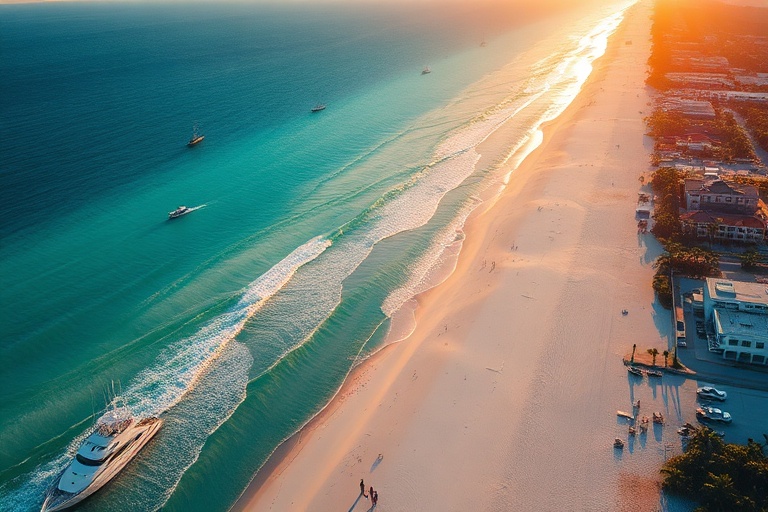
Nestled along Florida’s Emerald Coast, Destin has long been a favorite for vacationers seeking pristine beaches, emerald-green waters, and a laid-back coastal vibe. Unlike the crowded theme parks and high-rise condos found further south, this small city offers a quieter escape with deep roots in fishing, maritime culture, and Southern hospitality. Yet its appeal goes beyond postcard-perfect scenery—Destin has evolved into a year-round destination that balances relaxation with adventure, drawing repeat visitors with its unique blend of natural beauty and modern amenities.
The city’s name itself carries history. Originally called “East Pass” due to its location at the eastern entrance to Choctawhatchee Bay, it was renamed in the 1800s after a local fishing captain, Leonard Destin, whose family helped shape the area’s early economy. Today, that legacy lives on through local seafood shacks, fishing charters, and a downtown district that honors its maritime past while embracing the future.
Beyond the Beach: What Makes Destin a Year-Round Destination
While Destin’s sugar-white sand and turquoise waters are its calling card, the city offers far more than seasonal tourism. The fishing industry remains a cornerstone, with Destin Harbor serving as a hub for both recreational and commercial anglers. Deep-sea fishing charters regularly pull in red snapper, grouper, and king mackerel, solidifying the city’s reputation as the “World’s Luckiest Fishing Village.” Even in winter, when tourist crowds thin, local guides keep the tradition alive, making Destin a haven for fishing enthusiasts regardless of season.
Beyond fishing, the city has diversified its appeal with world-class golf courses, high-end retail at The Track Family Fun Park, and a growing food scene that ranges from classic Southern plates to innovative seafood fusion. The Destin Commons shopping center and Silver Sands Premium Outlets offer retail therapy, while the nearby Henderson Beach State Park provides a protected stretch of coastline perfect for nature walks and birdwatching.
This diversified offering is no accident. Over the past two decades, city planners and business leaders have worked to cultivate a balance between preservation and growth. By limiting high-rise development and focusing on low-impact tourism, Destin has avoided the over-commercialization seen in other Florida beach towns. That deliberate approach has paid off, helping the area maintain its charm while still offering modern comforts.
A Seasonal Shift in Tourism
Destin’s tourism economy has traditionally peaked in summer, when families flock to the beaches and water parks. However, in recent years, the city has seen a noticeable shift toward shoulder seasons—spring and fall—as travelers seek to avoid peak crowds and higher prices. This trend has led to a rise in “bleisure” travel, where visitors combine business trips with leisure stays, often taking advantage of Destin’s growing number of boutique hotels and vacation rentals.
Local businesses have adapted by extending their operating hours and introducing off-season events, such as the Destin Fishing Rodeo in the fall and the Emerald Coast Wine Festival in the spring. These efforts not only boost revenue during slower months but also foster a sense of community among both residents and visitors.
The Real Estate Paradox: Affordability and Luxury Collide
As Destin’s popularity grows, so does the demand for real estate. The city has seen a steady influx of buyers from northern states and even international markets, drawn by the combination of lifestyle and investment potential. Waterfront properties, in particular, have become highly sought after, with prices reflecting both the desirability of the location and the scarcity of available land.
Yet this boom has created a paradox. While luxury condos and high-end homes line the coast, the city still struggles to maintain affordable housing for year-round residents. Teachers, first responders, and service industry workers often find themselves priced out, pushing some to commute from nearby towns like Fort Walton Beach or Niceville. City officials have begun exploring zoning changes and incentives for workforce housing, but the challenge remains a delicate balance between growth and inclusivity.
For investors, Destin presents a compelling opportunity. Vacation rental demand remains strong, with properties often booked months in advance during peak seasons. The city’s short-term rental market is less regulated than in larger metro areas, offering higher profit margins for owners. However, potential buyers should weigh the risks—rising insurance costs due to hurricane exposure and seasonal fluctuations in rental income are real considerations.
Environmental Stewardship in a Changing Climate
Like many coastal destinations, Destin faces growing environmental pressures. Rising sea levels, stronger storms, and erosion threaten both the natural landscape and the tourism economy that depends on it. In response, local organizations and government agencies have launched initiatives to protect the coastline and promote sustainability.
One of the most visible efforts is the ongoing beach nourishment projects, which replenish sand on eroding shorelines. These projects are costly and require constant upkeep, but they are seen as essential to maintaining Destin’s appeal. Additionally, the city has expanded its recycling programs and encouraged businesses to adopt eco-friendly practices, such as reducing single-use plastics in restaurants and hotels.
Environmental advocates argue that more needs to be done, particularly in addressing the root causes of climate change. While Destin’s carbon footprint is relatively small compared to major cities, the tourism industry still contributes to emissions through transportation and energy use. Some local businesses have taken the lead by installing solar panels, using electric vehicle charging stations, and promoting eco-tourism activities like kayaking and paddleboarding tours.
The broader implication here is clear: Destin’s future depends not just on preserving its natural beauty, but on adapting to the realities of a changing climate. The choices made today will determine whether the city remains a beloved destination for generations to come or becomes another cautionary tale of unchecked development and environmental neglect.
Why Destin Stands Out in a Crowded Market
In a state known for its beach towns, Destin has carved out a distinct identity. It’s not just another stop on Florida’s Gulf Coast; it’s a place where history, nature, and modern living intersect. The city’s ability to evolve without losing its soul sets it apart from destinations that have succumbed to overdevelopment or lost their character in the pursuit of tourism dollars.
For travelers, Destin offers something rare: a sense of authenticity. Whether it’s dining on fresh-caught seafood at a waterfront restaurant, watching a sunset from the pier, or simply strolling through the historic downtown, visitors leave with more than just photos—they leave with memories tied to a place that feels real.
Looking ahead, Destin’s challenge will be to continue growing without sacrificing what makes it special. That means prioritizing sustainability, supporting the local workforce, and ensuring that the city remains accessible to both tourists and residents. If it succeeds, Destin will continue to be a model for how coastal communities can thrive in the 21st century.
For now, the call of the Emerald Coast remains strong. And for those who have experienced it, the pull of Destin is hard to resist.
Key Takeaways About Destin, Florida
- Rich Maritime History: Destin’s roots in fishing and seafaring are still evident today, from its working harbor to its annual fishing tournaments.
- Year-Round Appeal: While summer is peak season, spring and fall offer mild weather, fewer crowds, and unique events that attract visitors.
- Real Estate Dynamics: The market is booming, but affordability remains a concern for local residents amid rising property values.
- Environmental Focus: Beach nourishment and sustainability initiatives are crucial to protecting Destin’s coastline from erosion and climate change.
- Balanced Growth: Destin has managed to grow its tourism economy without sacrificing its small-town charm, a model other coastal towns may seek to emulate.
For those interested in exploring more about Florida’s coastal destinations, be sure to check out Dave’s Locker Travel and Dave’s Locker Food sections for guides, reviews, and local insights.
Whether you’re planning a family vacation, considering a move, or simply curious about one of Florida’s hidden gems, Destin offers a compelling story of resilience, adaptation, and enduring beauty.