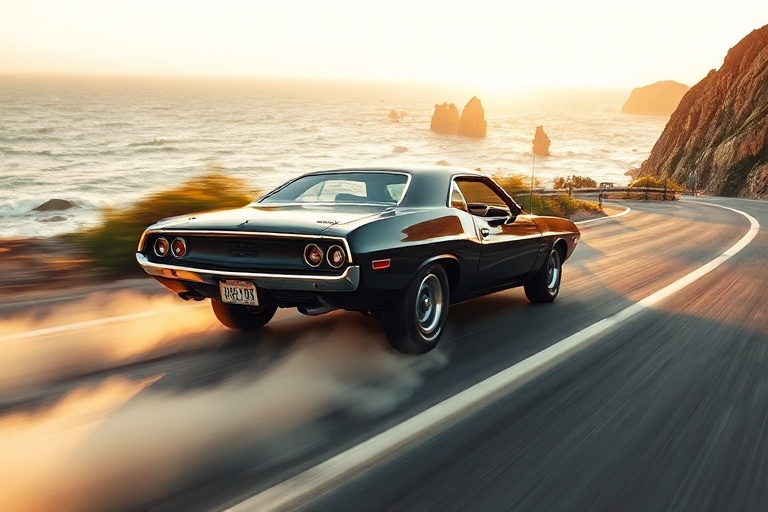
Driving is more than just a practical skill—it’s a gateway to independence, a test of responsibility, and sometimes, an emotional experience. Whether commuting through urban sprawl or cruising down a rural highway, the act of driving connects people to places, opportunities, and each other. Yet beneath the surface of steering wheels and speed limits lies a complex interplay of technology, psychology, and societal change.
For many, driving symbolizes freedom. The ability to go anywhere at any time carries a unique allure, especially in regions where public transit remains underdeveloped. But with that freedom comes responsibility. The roads demand attention, judgment, and adherence to rules that keep everyone safe. The balance between personal autonomy and collective safety shapes how societies view driving culture.
The Evolution of Driving: From Horsepower to Horsepower
The automobile has transformed dramatically since Karl Benz patented the first gasoline-powered car in 1886. Early vehicles were mechanical marvels but unreliable, requiring constant tinkering and patience. Over the decades, engineering breakthroughs—hydraulic brakes, automatic transmissions, fuel injection—made driving smoother and safer. Yet the most significant shift may be digital.
Today’s cars are rolling computers. Advanced Driver Assistance Systems (ADAS) like adaptive cruise control and lane-keeping assist are becoming standard. Electric vehicles (EVs) are reshaping fuel economics and environmental impact. According to the International Energy Agency, global EV sales surged by 35% in 2023, signaling a tipping point in automotive history. This evolution isn’t just about speed or comfort—it’s about redefining what it means to be behind the wheel.
Yet not everyone embraces these changes. Traditionalists often view modern driving aids as crutches that weaken driver skill. Safety advocates argue that technology saves lives by compensating for human error. The debate reflects broader tensions: innovation versus tradition, convenience versus control. What remains clear is that driving is no longer a static act—it’s an evolving relationship between humans and machines.
Psychology Behind the Wheel: What Drives Our Driving
Why do some drivers speed through red lights while others crawl in the left lane? The answer often lies in psychology. Studies show that driving behavior is influenced by personality, mood, and even time of day. Aggressive drivers tend to score high in sensation-seeking traits, while cautious drivers may exhibit high levels of anxiety.
Stress plays a major role. A 2022 study by the American Psychological Association found that 45% of drivers feel road rage at least once a month. Congestion, construction, and unpredictable behavior from other motorists contribute to frustration. Interestingly, the same study noted that drivers who listen to calming music or practice mindfulness techniques report lower stress levels during commutes.
Another psychological factor is anonymity. Behind the wheel, people often feel detached from their usual identities. A mild-mannered accountant might become a road tyrant when hidden inside a steel cocoon. This phenomenon, known as deindividuation, explains why online trolls and aggressive drivers share a similar psychological profile: reduced accountability fosters bold behavior.
Understanding these patterns can help improve road safety. Defensive driving courses, for example, teach motorists to recognize their emotional triggers. Apps like Waze incorporate real-time traffic data to reduce uncertainty—one less stressor on the road.
The Environmental Equation: Can Driving Be Sustainable?
Transportation accounts for nearly a quarter of global CO2 emissions, with passenger cars responsible for the majority. The environmental cost of driving is undeniable, but solutions are emerging. Hybrid vehicles, once a niche option, now make up over 10% of new car sales in many markets. Fully electric vehicles, once limited by range anxiety, are now capable of traveling over 300 miles on a single charge.
Yet sustainability isn’t just about the car—it’s about how we use it. Carpooling, public transit, biking, and walking all reduce individual carbon footprints. Cities like Amsterdam and Copenhagen have invested heavily in cycling infrastructure, proving that urban mobility doesn’t have to rely solely on four wheels. Even in car-centric America, transit ridership in major cities has grown by 15% over the past decade.
Another angle is fuel choice. Biofuels, hydrogen fuel cells, and synthetic fuels are being explored as alternatives to gasoline. While challenges remain—especially in production scalability—these innovations offer hope for a low-carbon future. The shift won’t happen overnight, but every electric vehicle on the road today is a step toward cleaner skies.
For those not ready to abandon their gasoline cars, efficiency improvements can make a difference. Regular maintenance, proper tire inflation, and reduced idling all contribute to better fuel economy. Small changes add up, especially when multiplied across millions of drivers.
Safety First: The Unseen Rules of the Road
Driving safety often focuses on visible measures: seatbelts, airbags, speed limits. But some of the most critical safety practices are behavioral. Following the three-second rule—maintaining a three-second gap between your car and the one ahead—can prevent rear-end collisions. Checking blind spots before lane changes reduces the risk of sideswipes. These habits seem simple, yet they save thousands of lives annually.
Distracted driving remains a leading cause of accidents. Texting while driving increases the risk of a crash by 23 times, according to the National Highway Traffic Safety Administration. Even hands-free calls can divert attention from the road. States across the U.S. have responded with stricter laws, but enforcement is inconsistent. Public awareness campaigns continue to stress the message: Focus on the drive.
Another often-overlooked factor is sleep. Drowsy driving causes more than 6,000 fatal crashes each year. Signs of fatigue include frequent yawning, heavy eyelids, and drifting between lanes. If you feel tired, pull over. A 20-minute nap can restore alertness better than caffeine or loud music.
Technology is also stepping up. Forward-collision warning systems and automatic emergency braking are now standard in many new vehicles. These systems use radar and cameras to detect hazards and apply brakes if the driver doesn’t react in time. Insurance companies have taken notice, offering discounts for cars equipped with advanced safety features.
Yet even with these tools, the ultimate responsibility lies with the driver. Technology can assist, but it can’t replace good judgment. The best drivers combine modern tools with old-fashioned caution.
Beyond the Commute: Driving as Culture and Identity
For some, driving is a hobby. Car enthusiasts restore classic Mustangs, modify JDM imports, or attend track days at local circuits. These communities celebrate performance, design, and engineering. Events like the Goodwood Festival of Speed or the Tokyo Auto Salon draw thousands of fans who see cars as more than transportation—they’re works of art.
Music and film have immortalized driving culture. From Bruce Springsteen’s Born to Run to the Fast & Furious franchise, road trips and high-speed chases have become cultural touchstones. Even everyday drives hold emotional weight. The 20-minute school run or the weekly grocery trip may lack drama, but they’re rituals of daily life.
For others, driving represents status. Luxury brands market exclusivity through sleek designs and premium interiors. In some cities, owning a specific car model can signal wealth or social standing. Yet this perception is shifting. As EVs become mainstream, sustainability is emerging as the new status symbol. Drivers of Teslas or Rivians often emphasize their environmental impact as a badge of honor.
Driving also intersects with identity in unexpected ways. For many young people, getting a driver’s license is a rite of passage—a step toward adulthood. For older adults, losing the ability to drive can feel like losing independence. Communities are adapting by offering rideshare programs and volunteer driver networks to support seniors.
These cultural layers show that driving is far more than a utility. It’s a mirror reflecting society’s values, aspirations, and contradictions.
Final Thoughts: The Road Ahead
Driving today is a blend of past and future. It carries the echoes of early 20th-century innovation while hurtling toward an autonomous, electric, and connected tomorrow. The challenges are real—climate change, safety risks, and social inequities in transportation access—but so are the opportunities. Every driver has a role to play, whether by choosing a fuel-efficient vehicle, practicing defensive driving, or simply staying informed about new technologies.
As cities grow and climate concerns intensify, the way we drive will continue to evolve. The open road may look different in ten years, but one thing is certain: the journey is just beginning. Whether you drive for necessity, passion, or both, the road remains a powerful symbol of human movement and possibility.
For those looking to stay updated on automotive trends, technology, and culture, Dave’s Locker Automotive offers in-depth coverage and analysis. Or explore broader mobility trends at Dave’s Locker Technology.