Éderson: How One Goalkeeper Is Redefining Modern Football
Éderson Santana de Moraes, known simply as Éderson, has emerged as one of the most distinctive and influential goalkeepers in modern football. His rise from modest beginnings in São Paulo to starring in Europe’s elite leagues reflects both his exceptional talent and the evolving demands placed on goalkeepers in contemporary football. Unlike traditional shot-stoppers, Éderson embodies a new archetype—one that combines elite reflexes with refined footwork and an almost unnerving comfort on the ball.
His career trajectory tells a story of technical evolution and tactical adaptation. From his early days at São Paulo FC to his record-breaking transfer to Manchester City, Éderson has not only redefined the role of a goalkeeper but has also influenced how teams build from the back. His influence extends beyond saves and clean sheets; it reshapes the very philosophy of defensive play in the modern era.
The Making of a Modern Goalkeeper
Born on August 17, 1993, in Osasco, Brazil, Éderson began his professional journey at São Paulo FC, where his technical ability quickly set him apart. While most goalkeepers were judged primarily on their shot-stopping, Éderson’s comfort with the ball at his feet drew attention from scouts and coaches. His development under the guidance of técnicos who valued possession-based football became a critical factor in his rise.
In 2015, his performances earned him a move to Benfica in Portugal, where he further honed his skills in a league known for its tactical discipline. At Benfica, Éderson became a key figure in a team that prioritized build-up play from the defensive third—a system that required goalkeepers to act as an eleventh outfield player. This environment was instrumental in shaping his unique style.
His breakthrough came when Pep Guardiola, then manager of Manchester City, signed him in 2017 for a reported fee of £35 million—a record for a goalkeeper at the time. The move signaled a shift in how top clubs valued goalkeepers. No longer were they just last lines of defense; they were now integral to the first phase of attack.
Key Attributes That Define Éderson’s Style
Éderson’s playing style is built on several technical and psychological pillars that distinguish him from his peers:
- Footwork and Distribution: Éderson’s ability to play out from the back with both feet is rare among goalkeepers. His passing accuracy often exceeds that of outfield players, enabling Manchester City to maintain possession even under pressure.
- Positional Awareness: He excels in reading the game, often anticipating play before it develops. This allows him to intercept passes and start counterattacks with pinpoint long balls.
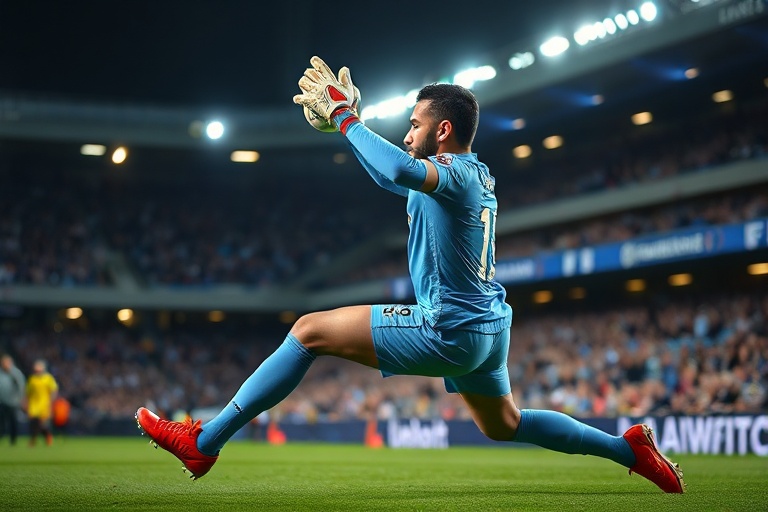
- Reflexes and Shot-Stopping: Despite his offensive contributions, Éderson remains a world-class shot-stopper. His reflexes, agility, and command of the penalty area have saved countless matches.
- Leadership and Communication: His vocal presence organizes the defensive line, and his confidence in possession gives teammates the freedom to push higher up the pitch.
These attributes have made him a cornerstone of Manchester City’s dominance in the Premier League and in European competitions. His role extends beyond mere performance—it reflects a broader evolution in football tactics where goalkeepers are active participants in the team’s buildup.
Impact on Tactical Innovation in Football
Éderson’s influence is not confined to his club performances. He has become a symbol of a tactical revolution that began in Europe and is now spreading globally. The idea that goalkeepers must possess technical skills equal to outfield players has gained widespread acceptance, thanks in part to players like him.
Under Pep Guardiola, Manchester City’s system demands that goalkeepers be comfortable receiving the ball under pressure and playing through high pressing lines. Éderson’s ability to execute this role has allowed City to play at an unprecedented tempo, often bypassing midfield congestion with direct, accurate passes to forwards. This approach has not only brought trophies but has also influenced how younger goalkeepers are developed worldwide.
Clubs from the Premier League to La Liga now prioritize technical training for goalkeepers, with youth academies incorporating ball-playing drills from a young age. Éderson’s success has validated this approach, proving that a goalkeeper’s influence can extend from defense to attack in a single, fluid motion.
A Statistical Profile of Excellence
While statistics alone cannot capture a player’s full impact, Éderson’s numbers over the past seven seasons at Manchester City highlight his consistency and value:
- Clean Sheets: Over 150 in the Premier League, a testament to both his shot-stopping and his team’s defensive structure.
- Pass Completion Rate: Consistently above 80% for long passes, placing him among the top-performing goalkeepers in this metric.
- Goals Involved: Directly involved in over 50 goals (assists and goals from open play), a record for a goalkeeper in the modern era.
- Trophies: Multiple Premier League titles, FA Cups, and a historic Treble in the 2022–23 season.
These figures underscore his dual role as both a defensive anchor and an offensive catalyst. They also reflect how modern football values versatility across all positions.
The Broader Implications for Goalkeepers and Football Culture
Éderson’s career is more than a personal success story—it reflects broader shifts in football culture. As clubs increasingly adopt possession-based systems, the role of the goalkeeper has expanded dramatically. This evolution has democratized the position, opening opportunities for players who may not fit the traditional mold of a shot-stopper but excel in other areas.
It has also changed how players are scouted and developed. In Brazil, where Éderson began his career, the emphasis on technical training for goalkeepers has grown. The country, long known for producing creative outfield players, is now nurturing a new generation of technically gifted goalkeepers who can play with their feet as comfortably as their hands.
Moreover, Éderson’s rise challenges outdated perceptions of the goalkeeper’s role. He has shown that goalkeepers can be leaders, playmakers, and even creative forces—qualities once reserved for midfielders or forwards. This shift has influenced coaching methodologies, with goalkeeper-specific training now including tactical awareness, first-touch control, and even limited dribbling exercises.
His presence has also elevated the status of goalkeepers within squads. No longer seen as mere “last men,” they are now integral to a team’s identity. This change has led to higher transfer fees for top goalkeepers and greater scrutiny over their technical abilities.
Influence Beyond the Pitch
Off the field, Éderson has used his platform to promote social initiatives in Brazil, particularly in education and youth sports. His foundation supports underprivileged communities in São Paulo, providing access to football facilities and academic resources. This commitment reflects a growing trend among modern athletes who recognize the power of sport as a tool for social change.
His quiet professionalism and focus on performance over personality have also endeared him to fans and pundits alike. In an era dominated by social media personas, Éderson remains a rare figure whose reputation is built on excellence rather than controversy.
Conclusion: A Legacy in the Making
Éderson’s career is a testament to how modern football has redefined the goalkeeper’s role. His technical mastery, tactical intelligence, and adaptability have not only redefined what it means to be a goalkeeper but have also influenced how the game is played at the highest level. As clubs continue to prioritize possession and build-up play, players like Éderson will only grow in importance.
Looking ahead, his influence will likely extend beyond his playing days. Whether as a coach, pundit, or ambassador for the sport, Éderson is positioned to shape the next generation of goalkeepers and tactical thinkers. In a sport constantly evolving, he stands as a bridge between tradition and innovation—a goalkeeper for the modern age.
For fans and analysts alike, Éderson represents more than a player; he embodies the future of football itself.
To explore more on tactical innovations in modern football, visit our Analysis section. For updates on rising talent in the sport, check out our Sports category.