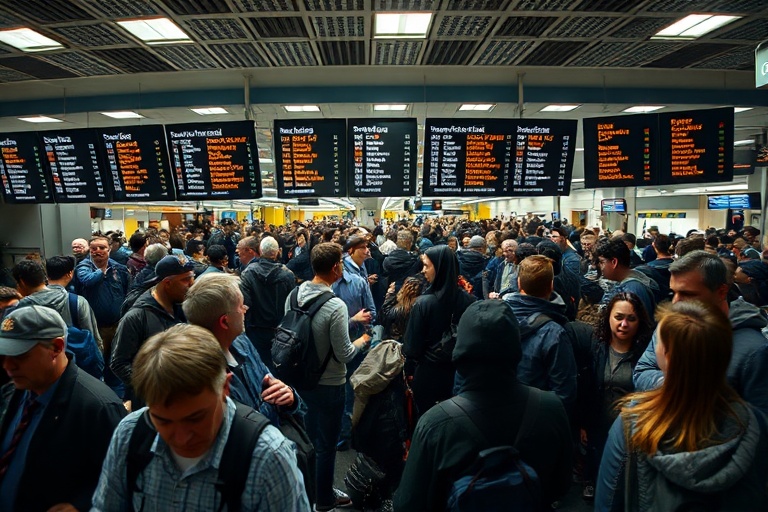
Manchester Airport Cancellations: Causes and Solutions Explained
Over the past two weeks, Manchester Airport has faced persistent flight cancellations, disrupting travel plans for thousands of passengers. The disruptions stem from a combination of staff shortages, adverse weather conditions, and ongoing technical issues with air traffic control systems. While airport authorities have attributed some delays to temporary factors, the cumulative impact has raised concerns about long-term reliability.
Root Causes Behind the Disruptions
Several key factors have contributed to the cancellations at Manchester Airport. First, staffing shortages remain a critical issue. The airport has struggled to fill open positions across multiple departments, including ground handling, security, and customer service. Airlines operating out of Manchester have also reported difficulties in recruiting pilots and cabin crew, exacerbating the problem.
Weather has played a secondary but significant role. Heavy rainfall and strong winds in the North West region have led to temporary runway closures and flight delays. While these conditions are not uncommon, their timing coincides with peak travel periods, amplifying the disruption.
Technical failures in air traffic control systems have further complicated operations. Reports indicate intermittent issues with radar and communication equipment, forcing controllers to implement temporary measures that limit flight frequencies. The Civil Aviation Authority has acknowledged these challenges and is working with Manchester Airport to restore full functionality.
Staffing Shortages: A Persistent Challenge
The aviation industry continues to grapple with post-pandemic labor shortages. Many workers who left during the pandemic have not returned, and training new staff takes time. Manchester Airport has increased recruitment efforts, but the process is slow, particularly for specialized roles like air traffic controllers and aircraft technicians.
Airlines have responded by reducing their schedules temporarily. Some carriers have rerouted flights to alternative airports, such as London Heathrow or Birmingham, to avoid Manchester altogether. This shift has displaced passengers and created additional congestion at other hubs.
Impact on Passengers and Airlines
The cancellations have left travelers stranded, with many struggling to secure alternative flights or accommodations. Families heading to holiday destinations, business travelers with tight schedules, and students returning from abroad have all been affected. Social media feeds have been flooded with complaints about poor communication from airlines and the airport.
Airlines operating from Manchester Airport have faced reputational damage as frustration grows. Some passengers have reported receiving last-minute notifications about cancellations, leaving them scrambling to adjust plans. Others have encountered long queues at customer service desks, with limited staff available to assist.
Financial and Operational Consequences
The financial toll of these disruptions is substantial. Airlines lose revenue when flights are canceled, and passengers often demand refunds or compensation. The UK Civil Aviation Authority enforces regulations that require airlines to provide care and assistance during long delays, including meals, accommodation, and alternative transportation. These costs add up quickly, particularly for carriers with multiple canceled flights.
For Manchester Airport, the cancellations threaten its reputation as a reliable travel hub. Competitors like London Gatwick and Birmingham Airport may benefit from passengers seeking alternatives, potentially leading to a long-term shift in passenger preference.
What’s Being Done to Resolve the Issues?
Manchester Airport and its partners are implementing several measures to address the cancellations. The airport has increased overtime for existing staff and accelerated recruitment drives. Training programs for new hires have been expedited, with a focus on critical roles like baggage handlers and security personnel.
Airlines are also adjusting their operations. Some have temporarily reduced their Manchester-based flights to align with available staffing and resources. Others are rerouting aircraft from other airports to cover essential routes, though this is not a sustainable long-term solution.
Government and Regulatory Involvement
The UK government has acknowledged the challenges facing Manchester Airport. Transport Secretary Mark Harper has stated that discussions are underway to ensure the airport receives the support it needs. This includes potential funding for infrastructure upgrades and labor training programs.
The Civil Aviation Authority has also stepped in, urging airlines to improve communication with passengers. Clearer advance notice of cancellations and better signposting at the airport are part of the proposed improvements.
Key Takeaways for Travelers
Passengers planning to travel through Manchester Airport should prepare for potential disruptions. Here are some steps to minimize inconvenience:
- Check your flight status frequently: Use airline apps or the airport’s website for real-time updates.
- Arrive at the airport earlier than usual: Longer queues are expected, so allow extra time for check-in and security.
- Consider travel insurance: Policies that cover trip cancellations or delays can provide financial protection.
- Have a backup plan: Identify alternative airports or transportation options in case your flight is canceled.
- Contact your airline proactively: If you’re concerned about your flight, reach out to the airline before heading to the airport.
While the situation is improving, travelers should remain cautious. The airport has assured the public that efforts are underway to restore normal operations, but recovery will take time.
Broader Implications for UK Aviation
The challenges facing Manchester Airport reflect broader issues within the UK aviation industry. Staffing shortages, aging infrastructure, and regulatory pressures are creating a perfect storm of disruptions. Other regional airports, such as Newcastle and Edinburgh, have also reported similar problems, suggesting a systemic issue rather than an isolated incident.
The government’s role in addressing these challenges cannot be overstated. Investment in training programs, infrastructure upgrades, and streamlined recruitment processes will be essential to prevent future crises. Without these measures, the UK risks losing its competitive edge in the global aviation market.
For now, passengers must navigate the uncertainty with patience and preparation. Manchester Airport remains open and operational, but the road to full recovery will require collaboration between airlines, regulators, and travelers alike.
As the situation evolves, staying informed and adaptable will be key to minimizing the impact of these disruptions.
For more travel updates, visit our Travel and News categories on Dave’s Locker.