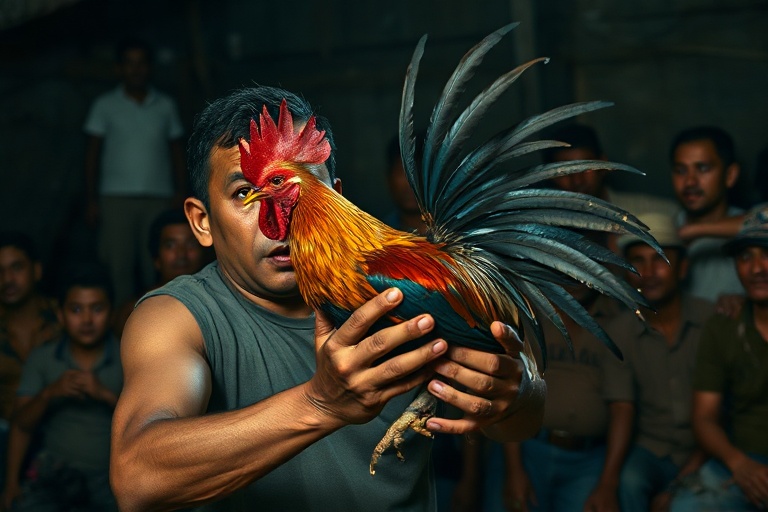
The recent revelation of New York Mets closer Edwin Díaz’s involvement in illegal cockfighting has sent shockwaves beyond baseball. Social media erupted not just over the athlete’s actions, but over what this incident exposes about the blurred lines between tradition, entertainment, and ethical boundaries in sports culture. The Puerto Rican star’s participation in these events, documented in videos circulating online, raises questions about accountability, cultural acceptance, and the responsibility of professional athletes.
This isn’t merely a personal scandal for Díaz. It represents a collision between modern sports ethics and long-standing cultural practices in certain communities, forcing a broader conversation about where we draw the line between personal freedom and professional consequences. The incident also highlights how social media’s permanent record can resurface even decade-old behavior, creating instant reputational damage that traditional news cycles might have missed.
The Background: What We Know About Díaz’s Involvement
Videos first emerged in early 2024 showing Díaz attending cockfighting events in Puerto Rico between 2012 and 2014. The footage, verified by multiple sources, depicts Díaz placing bets and celebrating at these illegal gatherings. While the events occurred before his MLB debut, their surfacing has reignited debates about athlete accountability for pre-professional behavior.
MLB’s response has been measured but firm. Commissioner Rob Manfred stated the league takes “all allegations of illegal activity seriously,” while noting that Díaz’s actions predated his professional career. The distinction between pre-professional misconduct and current behavior creates a complex precedent for how leagues handle historical controversies.
For Díaz’s part, he issued a statement through his representatives acknowledging his past mistakes and expressing regret. “I understand now the pain this has caused,” the statement read. “I’m committed to using this as a moment of growth.” The apology arrived too late for some critics, who argue that the delay in addressing the issue compounds the damage.
Cultural Context: Why Cockfighting Persists in Certain Communities
Cockfighting remains a controversial but culturally significant practice in parts of Latin America and the Caribbean, despite being illegal in most jurisdictions. In Puerto Rico, where cockfighting was only banned in 2018 after decades of legal operation, the tradition runs deep. For many in the community, these events represent more than gambling—they embody generational bonds, economic opportunity, and cultural heritage.
This cultural dimension complicates moral judgments. While animal rights activists condemn the practice outright, others argue for understanding its roots in rural economies and social structures. The debate mirrors similar controversies around bullfighting or rodeo events, where tradition clashes with evolving ethical standards.
For Puerto Rican athletes specifically, the relationship with cockfighting culture creates a unique pressure point. Many stars from the island grew up exposed to these traditions, sometimes celebrating them publicly without anticipating professional consequences. The Díaz case forces a reckoning: Can cultural practices justify behavior that violates modern ethical norms, especially when amplified by an athlete’s platform?
Key Factors in the Cultural Debate
- Generational Divide: Older Puerto Ricans often view cockfighting as part of heritage, while younger generations increasingly reject it on ethical grounds.
- Economic Impact: For some rural communities, cockfighting venues provide vital income through tourism and local spending.
- Legal Ambiguity: The recent nature of Puerto Rico’s ban (2018) means many residents still view it through a pre-legalization lens.
- Media Representation: Coverage often sensationalizes the spectacle rather than exploring the cultural complexities behind it.
Broader Implications for Professional Sports
The Díaz incident fits into a larger pattern of athletes facing consequences for past behavior exposed by social media. Unlike traditional scandals that emerge through investigative journalism, these controversies spread virally, often without context or nuance. The permanent nature of digital records means that behavior from high school or early adulthood can resurface to derail careers years later.
This creates a dilemma for leagues and teams. Should organizations investigate every athlete’s pre-professional life for potential red flags? Where do we draw the line between personal growth and permanent punishment? The Díaz case suggests we’re still figuring out these boundaries, with no clear consensus emerging.
For sports journalism specifically, the incident highlights the responsibility of reporting on historical controversies. Sensational headlines about “shocking revelations” often oversimplify complex cultural issues. Ethical reporting requires context, historical understanding, and recognition that not all controversies fit neatly into binary moral frameworks.
Where Do We Go From Here?
Edwin Díaz’s path forward remains uncertain. While he avoided suspension from MLB, the damage to his reputation—particularly among animal rights groups and younger fans—may prove lasting. Sponsors have already begun reevaluating their relationships with the star pitcher, suggesting that even legal but ethically questionable behavior can carry professional consequences.
The incident also raises questions about MLB’s cultural education programs for international players. While leagues provide extensive training on substance abuse and gambling, do they adequately address cultural practices that may conflict with league values? Could proactive education have prevented this controversy?
Most importantly, the Díaz case forces us to confront our own inconsistencies in moral judgment. We celebrate athletes for their excellence on the field while condemning them for cultural practices we might not fully understand. The conversation demands more than outrage—it requires education, empathy, and a willingness to examine why certain traditions persist despite legal prohibitions.
For Puerto Rico specifically, the debate cuts deeper. The island’s complex relationship with cockfighting culture reflects broader tensions between tradition and progress. As younger generations push for change, figures like Díaz become unintentional lightning rods for these cultural battles.
Ultimately, the Edwin Díaz cockfighting controversy isn’t just about one athlete’s past mistakes. It’s about how society navigates the collision between tradition and modernity, between personal freedom and professional responsibility. The resolution of this case may set precedents that shape how we handle similar controversies for years to come.
For fans, the lesson is clear: Celebrate athletic excellence, but remain critical of the cultural contexts that produce our heroes. For leagues, the challenge is to balance accountability with understanding, creating systems that address harm without erasing nuance. And for journalism, the responsibility is to report with context rather than sensationalism, helping audiences understand the complexities behind the headlines.
As for Edwin Díaz, his legacy will now be forever intertwined with this controversy. Whether he can rebuild his reputation may depend less on his performance on the mound and more on how society chooses to interpret the cultural forces that shaped his early life.
One thing is certain: The conversation sparked by these videos will outlast the news cycle. And that might be the most valuable outcome of all.
For more on sports controversies and cultural debates, visit our Sports and News sections for in-depth analysis and discussion.