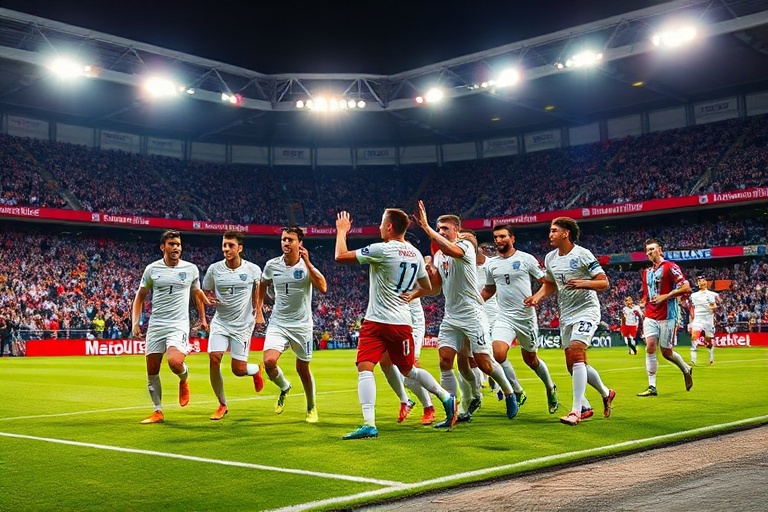
England World Cup Fixtures: Schedule, Analysis & Key Matches
As England prepares for another World Cup campaign, the fixtures list serves as both a guide and a challenge. The Three Lions face a series of matches that will test their depth, adaptability, and mental resilience. With high expectations from fans and pundits alike, each game becomes a stepping stone toward potential glory.
The tournament structure often dictates a team’s journey, and England’s route is no exception. Group stages demand consistency, while knockout rounds reward tactical flexibility and clutch performances. Understanding the fixtures helps set realistic expectations while identifying the fixtures that could define the campaign.
Group Stage: The Foundation for Progress
England’s World Cup fixtures typically begin in the group stage, where consistency is paramount. The group stage serves as a litmus test for form, squad cohesion, and tactical execution. A strong start here can provide momentum heading into the knockout rounds.
In past tournaments, England has faced opponents ranging from familiar rivals to relative unknowns. The 2022 World Cup in Qatar saw England drawn against Iran, the USA, and Wales—a mix of Asian, North American, and British football. This group offered a balance of physicality and technical challenges, forcing England to adapt quickly.
Key fixtures in the group stage often include:
- Opening Match: The tournament opener sets the tone. A strong start can ease pressure, while a stumble complicates the path forward.
- Mid-Group Challenge: Often the toughest opponent in the group stage. This fixture tests England’s ability to grind out results under pressure.
- Final Group Game: A chance to rest key players or push for maximum points, depending on the standings.
For England, the group stage is about avoiding early exits while building confidence. A perfect record can provide breathing room, but even a single slip-up can lead to a more daunting knockout-stage encounter.
Knockout Rounds: Where Legends Are Made
The knockout stages separate contenders from pretenders. England’s World Cup fixtures in this phase often include high-stakes matches against top-tier opposition. The Round of 16, quarter-finals, and beyond demand peak performances when fatigue and pressure are at their highest.
Historically, England’s knockout-stage fixtures have been a mixed bag. The 2018 World Cup in Russia saw a dramatic penalty shootout victory over Colombia, followed by a tense quarter-final against Sweden. The 2022 edition ended in heartbreak with a quarter-final loss to France, a match that exposed defensive vulnerabilities.
Key knockout-stage fixtures to watch include:
- Round of 16: Often a clash against a group runner-up from another section. England’s ability to handle different styles is crucial here.
- Quarter-Final: A potential meeting with a top-four ranked team. These matches often decide the tournament’s finalists.
- Semi-Final and Final: The ultimate tests of endurance, tactics, and mental fortitude. Only the strongest teams survive this gauntlet.
The knockout stages are where England’s tactical approach is scrutinized. Do they opt for a possession-based system, a direct counter-attacking style, or a pragmatic defensive setup? The answers often depend on the opponent and the fixture’s importance.
Fixture Analysis: Strengths and Weaknesses
Breaking down England’s World Cup fixtures reveals patterns in their strengths and vulnerabilities. A close look at recent tournaments highlights recurring themes—strong starts followed by defensive lapses in high-pressure moments.
In the attacking department, England boasts world-class talent. Players like Harry Kane, Bukayo Saka, and Phil Foden provide creativity, pace, and clinical finishing. However, injuries or suspensions to key attackers can disrupt the team’s rhythm.
Defensively, England has shown flashes of brilliance but also fragility. The full-back positions, in particular, are critical. A high defensive line can yield goals if exploited by quick counter-attacks. The midfield must balance creativity with defensive cover to avoid overcommitment.
Tactically, England’s flexibility is both an asset and a challenge. Manager Gareth Southgate has experimented with different formations, from a back three to a traditional 4-3-3. The ability to adapt mid-tournament is vital, especially if key players are ruled out.
Lessons from Past Tournaments
England’s World Cup history is a tapestry of near-misses and heartbreak. The 1990 World Cup in Italy saw them reach the semi-finals, their best performance since 1966. The 2018 and 2022 editions brought renewed optimism, only for quarter-final exits to temper expectations.
Analyzing past fixtures provides insights into England’s strengths and weaknesses. The 2018 World Cup saw a disciplined defensive setup that conceded just two goals in the group stage. However, the quarter-final against Croatia exposed fatigue and a lack of depth in midfield.
The 2022 tournament highlighted England’s attacking prowess but also their defensive frailties. A 6-2 thrashing of Iran showcased their offensive firepower, but the quarter-final loss to France underscored the need for greater resilience in high-pressure moments.
Key takeaways from past tournaments include:
- Defensive Solidity: England must shore up their defensive structure to avoid costly mistakes in knockout matches.
- Midfield Balance: A deeper-lying midfielder can provide stability and cover for overlapping full-backs.
- Squad Depth: Injuries to key players can derail a campaign. A strong bench is essential for rotation and tactical changes.
- Mental Toughness: Handling pressure in knockout matches is crucial. England’s recent struggles in penalty shootouts highlight this area’s importance.
Looking ahead, England’s World Cup fixtures will be scrutinized for their difficulty and timing. A favorable draw can ease the path to the knockout stages, while a tougher route demands peak performances from every player.
Final Thoughts: The Path to Redemption or Glory
England’s World Cup fixtures represent more than just matches—they are a journey. From the group stage’s cautious optimism to the knockout rounds’ high-stakes drama, each fixture shapes the team’s narrative. The lessons from past tournaments provide a roadmap, but the execution remains in the players’ hands.
As fans, we can only hope that this campaign brings the consistency and resilience needed to go one step further than before. Whether it’s a tactical masterclass, a last-gasp winner, or a defensive stand in the dying moments, the World Cup is where legends are made—and England’s fixtures will play a pivotal role in that story.
For more insights into England’s tactical approach and squad dynamics, explore our Sports and Analysis sections on Dave’s Locker.