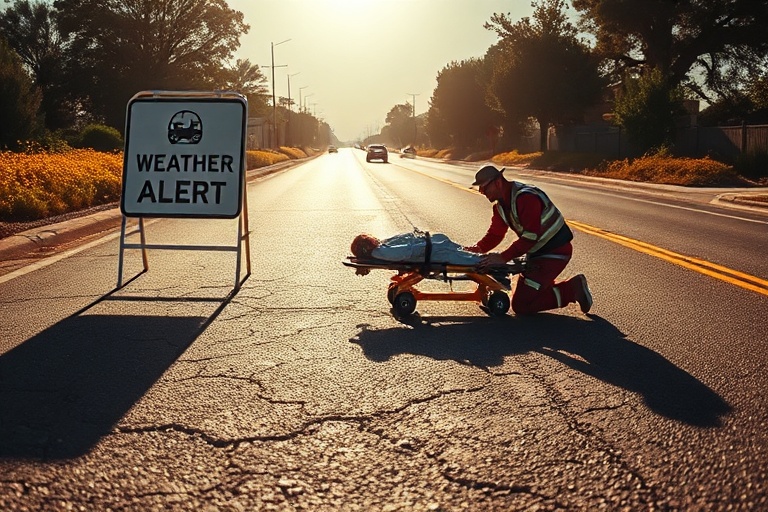
Extreme Heat Watch: What It Means and How to Prepare
Dave’s Locker — As summer intensifies, meteorologists across the United States are issuing Extreme Heat Watches for millions of residents. These alerts signal a high likelihood of dangerously high temperatures within the next 24 to 72 hours. Unlike routine heat advisories, an Extreme Heat Watch indicates conditions that could pose serious health risks, especially to vulnerable populations.
What Triggers an Extreme Heat Watch?
Extreme Heat Watches are not issued lightly. The National Weather Service (NWS) activates them when forecast models predict temperatures reaching at least 10 to 15 degrees above normal for a sustained period—typically exceeding 100°F (38°C) in many regions. These watches often cover large geographic areas, spanning multiple states during widespread heat domes or prolonged heatwaves.
Regions most frequently affected include the Southwest, Southern Plains, and parts of the Midwest. For example, in July 2023, an Extreme Heat Watch was issued for Arizona, Nevada, and Southern California as temperatures soared past 110°F (43°C). These conditions can lead to heat-related illnesses such as heat exhaustion and heatstroke, which require immediate medical attention.
Urban areas face additional risks due to the urban heat island effect, where concrete and asphalt absorb and retain heat, making cities several degrees warmer than surrounding rural areas. This effect intensifies the impact of extreme heat on residents, particularly those without access to air conditioning.
Key Conditions for an Extreme Heat Watch
- Predicted temperatures 10–15°F above normal for 48+ hours
- High humidity levels, increasing heat index values
- Little overnight relief, with low temperatures remaining above 80°F (27°C)
- Duration expected to last three or more days
How to Stay Safe During an Extreme Heat Watch
Preparation is critical when an Extreme Heat Watch is in effect. The Centers for Disease Control and Prevention (CDC) recommends several proactive measures to reduce health risks. Staying hydrated is essential, but water alone may not be enough in extreme conditions. Electrolyte-rich beverages can help maintain proper fluid balance, especially for those engaging in outdoor activities.
Limiting outdoor exposure during peak heat hours—typically between 10 a.m. and 6 p.m.—is strongly advised. If outdoor work or exercise is unavoidable, take frequent breaks in shaded or air-conditioned areas. Wearing lightweight, light-colored clothing can also help regulate body temperature.
For those without reliable cooling systems, cooling centers offer a lifeline. Many cities open designated facilities during extreme heat events, providing free access to air conditioning, water, and medical supervision. Residents can locate nearby centers through local government websites or by calling 211, a national helpline for community services.
Pets and livestock are also vulnerable to extreme heat. The American Society for the Prevention of Cruelty to Animals (ASPCA) advises keeping animals indoors with access to fresh water and avoiding pavement, which can burn their paws. Never leave pets unattended in vehicles, as temperatures inside can rise to lethal levels within minutes.
Long-Term Strategies for Heat Resilience
While Extreme Heat Watches provide short-term warnings, communities must adopt long-term strategies to adapt to rising temperatures. Climate change is increasing the frequency and intensity of heatwaves, making resilience planning a necessity. Cities like Phoenix and Los Angeles have invested in cool pavement initiatives, which use reflective materials to reduce surface temperatures and lower urban heat.
Green infrastructure also plays a role in mitigating heat. Expanding urban forests, green roofs, and parks can create cooling microclimates. For instance, Chicago’s “Urban Forestry” program has planted over 500,000 trees since 2011, helping to lower temperatures in high-heat neighborhoods by up to 2°F (1.1°C).
On an individual level, retrofitting homes with energy-efficient windows, insulation, and reflective roofing can reduce indoor heat buildup. Smart thermostats and solar-powered fans are additional tools for staying cool without overburdening the power grid during peak demand.
How Extreme Heat Affects Vulnerable Groups
Certain populations face disproportionate risks during Extreme Heat Watches. Adults over 65, infants, and individuals with chronic illnesses are particularly susceptible to heat-related illnesses. Medications such as diuretics and antihistamines can impair the body’s ability to regulate temperature, increasing vulnerability.
Outdoor workers, including construction crews and agricultural laborers, are another high-risk group. The Occupational Safety and Health Administration (OSHA) mandates that employers provide shade, water, and rest breaks during extreme heat. However, enforcement remains inconsistent, particularly in industries with transient workforces.
Homeless populations are among the most vulnerable, as they often lack access to cooling spaces or adequate hydration. Outreach programs in cities like Dallas and Atlanta deploy mobile hydration stations and distribute cooling towels to unsheltered individuals during heatwaves. These efforts are critical but require sustained funding and community support.
Populations Most at Risk
- Adults aged 65 and older
- Infants and young children
- Individuals with pre-existing health conditions (e.g., heart disease, diabetes)
- Outdoor workers and athletes
- People experiencing homelessness
As temperatures rise, awareness and preparedness must evolve. Extreme Heat Watches serve as a vital early warning system, but they are only one piece of a broader strategy. From individual actions to systemic infrastructure changes, addressing extreme heat requires a collective effort. By staying informed, implementing safety measures, and advocating for resilient urban design, communities can better protect themselves against the growing threat of extreme heat.
For more insights on climate-related trends and safety tips, visit our Health and Weather categories on Dave’s Locker.