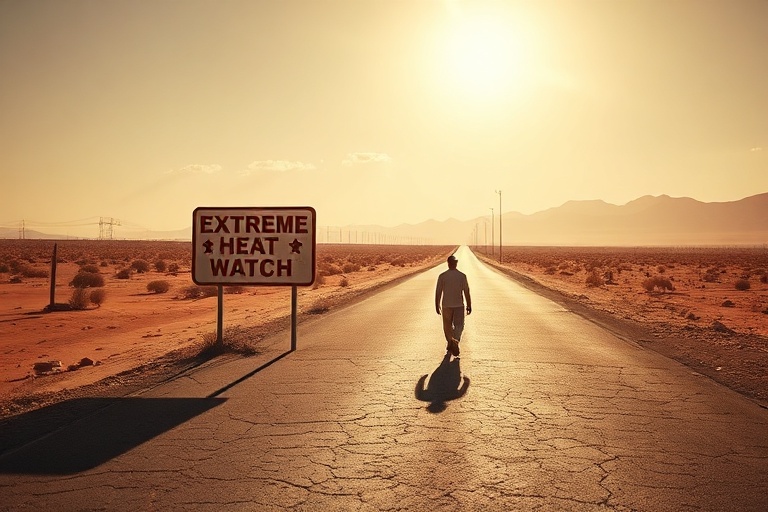
extreme heat watch
The National Weather Service’s Extreme Heat Watch has become a critical tool in an era where record-breaking temperatures are no longer anomalies but recurring events. These alerts, issued when conditions favor dangerously high temperatures within the next 24 to 72 hours, serve as early warnings for communities facing unprecedented heat. But as climate change intensifies, the system itself is being tested—both in its effectiveness and its cultural impact.
The Science Behind Extreme Heat Watches
Extreme Heat Watches are not issued lightly. They are based on a combination of meteorological data, including temperature forecasts, humidity levels, and heat index values. The criteria vary by region, but generally, an alert is triggered when there is an 80% or higher chance of temperatures reaching dangerous levels—typically above 105°F (40.5°C) for most areas, or lower thresholds in regions unaccustomed to heat.
These watches are designed to give governments, businesses, and individuals time to prepare. Cities like Phoenix, where summer temperatures routinely exceed 110°F (43°C), have developed sophisticated response plans. However, in cooler climates, even a brief period of extreme heat can have severe consequences. For example, in 2021, a heat wave in the Pacific Northwest led to hundreds of deaths, many in areas where air conditioning is rare.
The science behind these alerts is evolving. Researchers are now incorporating factors like overnight low temperatures, which can prevent the body from recovering from daytime heat, and urban heat island effects, where concrete and asphalt trap heat and elevate temperatures in cities. This data is increasingly being used to refine watch criteria, making them more location-specific.
Global Heat Waves: A Cultural and Economic Divide
Extreme heat is not confined to any one region. In Europe, the summer of 2022 saw temperatures soar to 40°C (104°F) in the UK, a country where such heat was historically rare. The event sparked discussions about infrastructure, as many buildings lack cooling systems, and public transportation ground to a halt due to buckled rails. In contrast, countries like India and Pakistan regularly experience temperatures above 50°C (122°F), where heat waves are a seasonal reality.
This global disparity highlights the cultural and economic divide in how extreme heat is managed. In wealthier nations, heat waves often result in temporary disruptions—school closures, adjusted work hours, and increased energy consumption for cooling. In developing nations, they can lead to food shortages, water scarcity, and loss of life. For instance, during the 2015 heat wave in India, thousands of people died, with the most vulnerable being the elderly and those without access to shade or water.
Culturally, heat waves also shape daily life. In the Middle East, the summer months often lead to a shift in work schedules, with businesses operating during cooler hours and avoiding the midday sun. In contrast, countries like Spain and Italy embrace the heat, with late-night social gatherings and siestas becoming a way of life. These adaptations demonstrate how communities have historically coped with extreme temperatures, but climate change is forcing a reevaluation of these traditions.
Who’s Most at Risk During Extreme Heat?
While extreme heat affects everyone, certain groups are disproportionately vulnerable. The elderly, children, and those with preexisting health conditions are at higher risk of heat-related illnesses such as heat exhaustion and heatstroke. Outdoor workers, athletes, and low-income communities with limited access to cooling also face heightened dangers.
A study published in The Lancet found that heat-related deaths among people over 65 have increased by 54% globally since 2000. In the United States, the Centers for Disease Control and Prevention (CDC) estimates that over 600 people die each year from heat-related causes, though the actual number may be higher due to underreporting.
Urban areas present unique challenges. The phenomenon of urban heat islands—where cities become significantly warmer than their rural surroundings—can exacerbate the effects of extreme heat. For example, in Los Angeles, the average temperature difference between the city and surrounding areas can be as high as 10°F (5.5°C). This disparity is most pronounced at night, when the heat stored in buildings and pavement is released, preventing temperatures from dropping.
Addressing these risks requires more than just issuing a watch. Cities are increasingly implementing heat action plans, which include opening cooling centers, distributing water, and checking on vulnerable residents. However, these measures are often underfunded or inconsistently applied, leaving gaps in protection.
Beyond the Alert: Preparing for a Hotter Future
Extreme Heat Watches are just one part of a broader strategy to mitigate the impacts of rising temperatures. As climate projections indicate that heat waves will become more frequent, intense, and longer-lasting, the need for proactive measures has never been greater. This includes not only improving early warning systems but also investing in resilient infrastructure, such as green roofs, reflective pavements, and expanded public cooling spaces.
Architectural innovations are also playing a role. In cities like Singapore and Dubai, buildings are being designed with heat mitigation in mind, incorporating features like shaded walkways, misting systems, and natural ventilation. Meanwhile, in parts of Africa and South Asia, communities are reviving traditional cooling techniques, such as wind catchers and water features, to combat extreme heat without relying on energy-intensive air conditioning.
For individuals, preparing for extreme heat means more than just staying hydrated. It involves understanding the signs of heat-related illnesses, knowing where to find cooling centers, and adjusting daily routines to avoid peak temperatures. Public awareness campaigns, such as those run by the National Weather Service, are crucial in educating the public about these risks.
However, the responsibility cannot lie solely with individuals. Governments and organizations must prioritize heat resilience in urban planning, public health policies, and climate adaptation strategies. This includes ensuring that cooling centers are accessible, that public transportation can operate safely in extreme heat, and that vulnerable populations are not left behind in heat action plans.
A Call to Action
The Extreme Heat Watch is a vital tool, but it is only as effective as the actions taken in response. As temperatures continue to rise, the need for comprehensive heat management strategies will become more urgent. This means not only relying on alerts but also addressing the root causes of extreme heat through climate action and sustainable development.
For communities, this is an opportunity to rethink how they live with heat. For policymakers, it is a challenge to prioritize resilience and equity. And for the world, it is a reminder that the impacts of climate change are not distant threats but present realities that demand immediate attention.
As we move forward, the Extreme Heat Watch should serve as more than just a warning—it should be a catalyst for change. Whether through innovative design, community outreach, or global climate agreements, the goal must be clear: to create a world where extreme heat does not have to mean extreme danger.
For more insights on climate trends and their societal impacts, visit our Science and Health sections.