famous basketball players
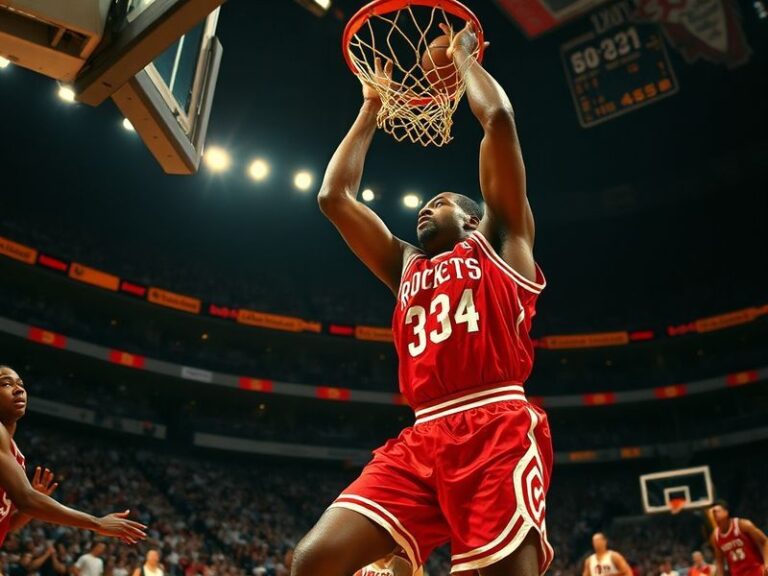
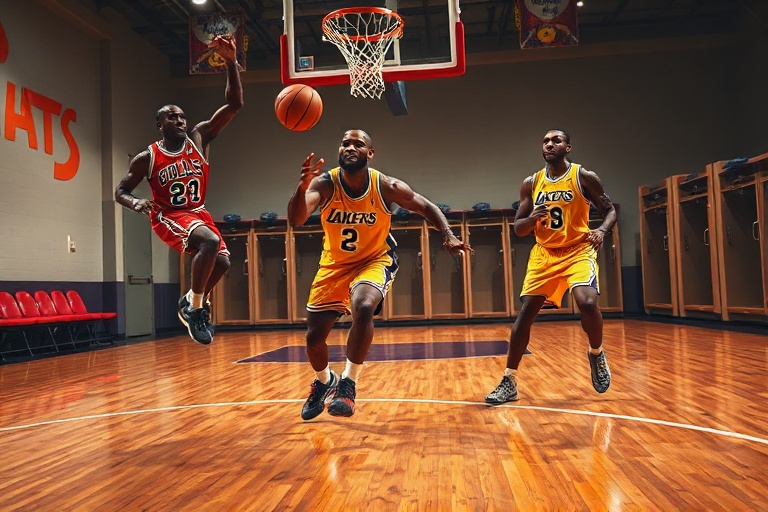
The game of basketball has been defined by its most electrifying players—athletes whose names transcend the sport and become part of global culture. These legends didn’t just score points; they redefined athleticism, strategy, and entertainment. From the early days of the NBA to the modern era of social media stardom, famous basketball players have left an indelible mark on history.
What makes a basketball player truly iconic? It’s not just about statistics or championships. It’s about influence—on the court, in the community, and across generations. Some players revolutionized the way the game is played. Others became symbols of resilience and excellence. A few transcended the sport entirely, entering the realm of global celebrity. This article explores the lives and legacies of the most famous basketball players, examining how they shaped the game and why their stories continue to resonate.
The Pioneers: How Early Legends Built the Foundation
The NBA’s first superstars laid the groundwork for everything that followed. These players weren’t just athletes; they were cultural architects who helped transform basketball from a niche sport into a global phenomenon. Their skills, charisma, and determination set the standard for future generations.
One of the most influential figures in early basketball was George Mikan. Nicknamed “Mr. Basketball,” Mikan dominated the 1940s and 1950s with his unmatched scoring ability and shot-blocking prowess. His dominance led to rule changes, including the introduction of the goaltending rule, which was directly influenced by his shot-blocking dominance. Without Mikan, the game might look entirely different today.
Bill Russell took the concept of team success to another level. While Mikan defined individual dominance, Russell redefined what it meant to win. His defensive genius and leadership led the Boston Celtics to 11 NBA championships in 13 seasons. Russell’s impact extended beyond the court—he became a voice for civil rights and social justice, using his platform to advocate for change.
Wilt Chamberlain stands as one of the most statistically dominant players in history. His 100-point game remains one of the most untouchable records in sports. Chamberlain’s combination of size, speed, and skill made him nearly unstoppable. Yet, his legacy is complex. Despite his on-court dominance, he often faced criticism for his perceived lack of team success early in his career. Over time, his influence on the game’s evolution became undeniable.
Key Contributions of Pioneering Players
- George Mikan: Established the center position as a dominant force; led rule changes due to his shot-blocking.
- Bill Russell: Redefined team success through defensive excellence and leadership; became a civil rights icon.
- Wilt Chamberlain: Broke scoring records and redefined physical dominance in the post.
The Modern Era: Superstars Who Redefined Excellence
The late 20th and early 21st centuries brought a new wave of basketball superstars—players whose global appeal transcended sports. These athletes became household names, their influence extending into fashion, entertainment, and business. They didn’t just play the game; they reimagined what it meant to be a professional athlete.
Michael Jordan remains the gold standard for basketball excellence. His six NBA championships with the Chicago Bulls cemented his legacy, but it was his competitive fire and killer instinct that set him apart. Jordan’s global appeal helped turn the NBA into a worldwide brand. His partnership with Nike led to the creation of the Air Jordan line, which remains one of the most valuable sneaker franchises in history.
Magic Johnson and Larry Bird revitalized the NBA in the 1980s, sparking a rivalry that saved the league from financial struggles. Their contrasting styles—Magic’s flashy playmaking and Bird’s sharpshooting—brought new fans to the game. Their impact extended beyond the court; they became cultural ambassadors, helping the NBA grow internationally.
Kobe Bryant’s “Mamba Mentality” became a blueprint for excellence. His relentless work ethic and dedication to his craft inspired a generation of players. Bryant’s five NBA championships and two Olympic gold medals solidified his place among the greats. His tragic passing in 2020 reminded the world of his lasting influence on the game and beyond.
LeBron James represents the modern athlete—one who dominates on the court while shaping culture off it. His longevity and versatility have redefined what it means to be a superstar. LeBron’s business ventures, philanthropy, and activism have made him a global icon. He has used his platform to address social issues, education reform, and economic inequality.
Traits of Modern Basketball Superstars
- Global Branding: Players like Jordan and LeBron turned their on-court success into global business empires.
- Cultural Influence: Athletes became ambassadors for social change, using their platforms for activism.
- Versatility: Modern superstars excel in multiple facets of the game, from scoring to playmaking to leadership.
- Longevity: Players like LeBron and Dirk Nowitzki redefined aging in sports, maintaining elite performance into their 30s.
Beyond the Court: The Broader Impact of Famous Basketball Players
The influence of famous basketball players extends far beyond statistics and championships. These athletes have shaped fashion, music, and even technology. Their cultural footprint is a testament to how sports can drive broader societal change.
Basketball players have long been trendsetters in fashion. Michael Jordan’s partnership with Nike didn’t just create a sneaker line—it revolutionized athletic footwear as a cultural statement. Today, players like Stephen Curry have launched their own brands, blending performance with lifestyle. The intersection of basketball and fashion has led to collaborations with luxury brands, further solidifying the sport’s place in global culture.
The music industry has also been shaped by basketball’s most famous figures. Allen Iverson’s influence extended into hip-hop culture, inspiring artists and fans alike. His signature “The Answer” persona became a symbol of resilience and authenticity. More recently, players like Kevin Durant and Kyrie Irving have used their platforms to support emerging artists and amplify underrepresented voices.
Technology has also been impacted by basketball’s evolution. The rise of social media has allowed players to connect directly with fans, bypassing traditional media gatekeepers. LeBron James’ media ventures, including SpringHill Company, have redefined how athletes engage with storytelling. The NBA itself has embraced technology, using data analytics and virtual reality to enhance the fan experience.
Basketball players have also been at the forefront of social activism. Bill Russell and Kareem Abdul-Jabbar used their platforms to advocate for civil rights in the 1960s and 1970s. Today, players like LeBron James and Stephen Curry continue that tradition, addressing issues like racial injustice, police brutality, and education reform. Their activism has sparked conversations and driven real-world change.
The Future of Basketball Stardom
As the game evolves, so too does the definition of a basketball icon. The next generation of superstars will likely come from a more global pool of talent. Players like Luka Dončić, Giannis Antetokounmpo, and Victor Wembanyama are already shaping the future of the game. Their international backgrounds reflect the NBA’s growing global reach.
Technology will continue to play a larger role in how players are perceived and marketed. Virtual reality, augmented reality, and artificial intelligence are changing how fans engage with the game. Players who can leverage these tools will have a distinct advantage in building their personal brands.
The NBA’s emphasis on player wellness and mental health is also reshaping the concept of stardom. Players like Kevin Love and DeMar DeRozan have openly discussed their struggles with mental health, challenging the stigma around seeking help. This shift reflects a broader cultural change in how athletes are perceived—as humans first, performers second.
As basketball continues to grow, the players who define the next era will likely come from diverse backgrounds and bring unique perspectives. Their impact will extend beyond the court, influencing fashion, technology, and social change. The future of basketball stardom is not just about scoring points—it’s about shaping culture.
For fans looking to stay updated on the latest trends in basketball and sports culture, Dave’s Locker Trending and Dave’s Locker News offer comprehensive coverage of the sport’s most exciting developments.
What the Future Holds for Basketball Icons
- Global Talent Pool: More international players will rise to superstar status, reflecting the NBA’s worldwide growth.
- Tech-Driven Branding: Players will increasingly use virtual and augmented reality to engage with fans.
- Mental Health Advocacy: The next generation of stars will prioritize mental wellness, reshaping how athletes are perceived.
- Social Impact: Players will continue to use their platforms to drive meaningful change in society.
Conclusion: Why These Players Matter
Famous basketball players are more than just athletes—they are architects of culture, pioneers of innovation, and symbols of excellence. Their legacies extend far beyond the hardwood, influencing fashion, music, technology, and social justice. They inspire millions, not just to play the game, but to strive for greatness in all aspects of life.
Their stories remind us that sports are a microcosm of society. The challenges they face—whether on the court or in the public eye—reflect broader societal issues. Their triumphs and failures teach us about resilience, teamwork, and the power of perseverance.
As basketball continues to evolve, new icons will emerge, each bringing their own unique contributions to the game. But the players who came before them will always remain a part of the sport’s DNA. Their influence is eternal, their legacy unshakable. They are the icons of the hardwood, and their stories will continue to inspire for generations to come.