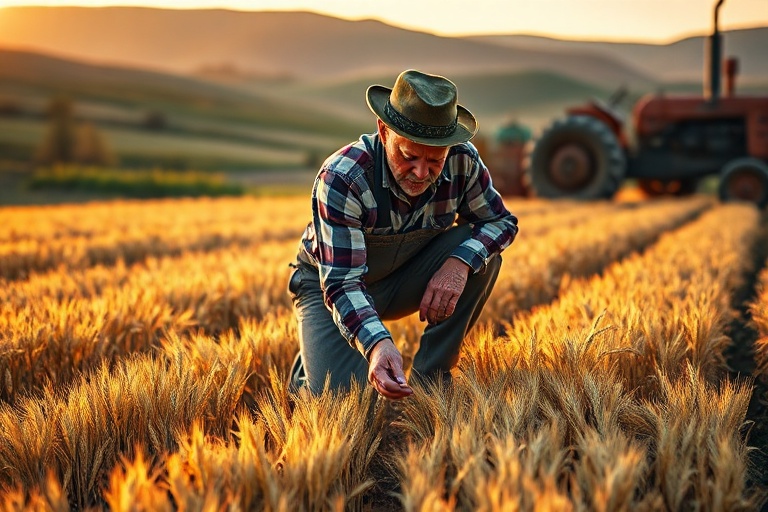
farmer
The image of a farmer often evokes a pastoral scene: sunrise over rolling fields, hands calloused from honest labor, and a deep connection to the land. Yet this romanticized view barely scratches the surface of modern farming—a profession that has evolved into a complex blend of tradition, technology, and relentless adaptation. In an era marked by climate volatility, economic pressures, and shifting consumer demands, farmers are not just growing crops or raising livestock; they are stewards of sustainability, innovators in agri-tech, and vital cogs in global food systems.
Today’s farmer operates in a landscape far removed from the one their grandparents knew. The challenges are immense, but so are the opportunities. From precision agriculture to regenerative farming practices, the profession is undergoing a quiet revolution. This transformation is reshaping not only how food is produced but also how communities and economies thrive—or struggle—in its wake.
The Modern Farmer: More Than Just a Grower
The stereotype of the farmer as a rugged individual working dawn-to-dusk with little more than a plow and sheer grit is outdated. Today’s farmers are entrepreneurs, scientists, and environmentalists rolled into one. They manage complex supply chains, navigate volatile commodity markets, and make decisions driven by data as much as intuition. Many hold advanced degrees in agriculture, soil science, or even business administration, applying their expertise to optimize yields and reduce waste.
Consider the rise of vertical farming in urban centers. Companies like AeroFarms and Plenty are cultivating leafy greens and herbs in stacked, climate-controlled environments, using LED lighting and hydroponics to maximize efficiency. These operations require a different skill set entirely, blending horticulture with engineering and data analytics. The modern farmer must be fluent in software, robotics, and even blockchain technology, which is increasingly used to track food from farm to fork.
Moreover, farmers are now at the forefront of sustainability efforts. Regenerative agriculture—a practice that focuses on soil health, biodiversity, and carbon sequestration—has gained significant traction. Farmers like Gabe Brown in North Dakota and Joel Salatin in Virginia have become thought leaders, proving that regenerative methods can restore ecosystems while remaining profitable. These pioneers are redefining what it means to be a farmer: no longer just producers, but healers of the land.
The Challenges: Weathering the Storms of Change
Despite their resilience, farmers face an onslaught of challenges that threaten their livelihoods. Climate change tops the list, bringing unpredictable weather patterns, prolonged droughts, and devastating floods. The 2021 derecho that flattened cornfields in Iowa and the 2023 floods in Pakistan, which submerged vast agricultural lands, are stark reminders of nature’s growing unpredictability. Farmers are forced to adapt rapidly, investing in drought-resistant crops, improved irrigation systems, and weather monitoring tools to mitigate risks.
Economic pressures add another layer of complexity. Rising input costs—fertilizers, fuel, and equipment—eat into already thin profit margins. Meanwhile, global trade policies and tariffs can disrupt markets overnight. The COVID-19 pandemic exposed vulnerabilities in food supply chains, forcing farmers to pivot from restaurant wholesalers to direct-to-consumer models almost overnight. The shift to e-commerce and farm-to-table delivery services, while offering new revenue streams, also demands additional infrastructure and marketing savvy.
Labor shortages further exacerbate these challenges. With fewer young people entering the profession and seasonal workers facing visa restrictions, many farms rely on technology to fill the gaps. Autonomous tractors, robotic harvesters, and AI-driven pest control systems are no longer science fiction but essential tools for survival. Yet even these innovations come with high price tags, putting them out of reach for small-scale farmers who make up the majority of global food producers.
The mental health crisis among farmers is another silent epidemic. Isolation, financial stress, and the relentless pressure to produce more with less have led to alarming rates of depression and suicide in farming communities. Organizations like the American Farm Bureau Federation and local agricultural extension services are working to provide resources, but stigma and lack of access to care remain significant barriers.
The Rewards: Why Farmers Keep Going
Amid these challenges, the rewards of farming endure. There is a profound satisfaction in nurturing life from the soil, in seeing a seed sprout into a plant that will feed families or a calf grow into a productive dairy cow. Farmers often describe their work as a calling, a deep-seated connection to the land that transcends the economic bottom line.
Community plays a vital role in sustaining farmers. Local farmers’ markets, CSAs (Community Supported Agriculture), and agritourism ventures like pumpkin patches and farm stays foster direct relationships between producers and consumers. These initiatives not only provide farmers with fair compensation but also educate the public about where their food comes from. Programs like the Farmers Market Promotion Program offer grants to expand these efforts, helping rural economies thrive.
Innovation also brings its own rewards. Farmers who adopt sustainable practices often find that their soils become healthier, their yields more resilient, and their input costs lower over time. The transition to organic or regenerative farming can take years, but the long-term benefits—such as improved water retention and reduced erosion—are undeniable. For example, the Rodale Institute’s 30-year study found that organic systems can be just as productive as conventional ones while sequestering significantly more carbon.
Moreover, farming fosters a sense of legacy. Many farmers are the third, fourth, or fifth generation to work the same land, driven by a desire to preserve it for future generations. This intergenerational commitment is a powerful motivator, even in the face of adversity. As one Iowa farmer put it, “You don’t farm for the money. You farm for the dirt.”
The Future of Farming: Trends and Transformations
The future of farming will be shaped by several key trends, each with the potential to revolutionize the industry. Here are some of the most significant developments to watch:
- Precision Agriculture: The integration of GPS, drones, and AI allows farmers to monitor crops and soil conditions with unprecedented accuracy. This data-driven approach minimizes waste, optimizes resource use, and increases yields. Companies like John Deere and Climate Corporation are leading the charge, offering platforms that analyze everything from soil moisture to crop health in real time.
- Agri-Tech and Robotics: From robotic harvesters that can pick strawberries without bruising them to autonomous tractors that plant seeds with millimeter precision, technology is transforming how farming is done. These innovations address labor shortages and reduce the physical toll on farmers, though they also require significant upfront investment.
- Climate-Smart Farming: As climate change intensifies, farmers are adopting practices that make their operations more resilient. Cover cropping, agroforestry, and conservation tillage are just a few examples. Governments and NGOs are increasingly funding these initiatives, recognizing their role in mitigating climate impacts.
- Alternative Proteins and Lab-Grown Meat: With global demand for protein rising and traditional livestock farming facing scrutiny for its environmental impact, alternative proteins are gaining traction. Companies like Beyond Meat and Upside Foods are developing plant-based and lab-grown meat products that could reduce the strain on traditional farming systems.
- Direct-to-Consumer Models: The pandemic accelerated the shift toward farm-to-table delivery services and subscription boxes. Farmers are leveraging e-commerce platforms and social media to connect directly with consumers, cutting out middlemen and increasing their profit margins. This trend is empowering small-scale farmers and revitalizing local food systems.
However, these trends also raise important questions. Will small-scale farmers be able to afford the latest technologies? How will climate policies impact their operations? And perhaps most critically, can the world produce enough food to feed a growing population without further degrading the planet? These challenges underscore the need for supportive policies, equitable access to resources, and continued innovation.
A Gratitude for the Hands That Feed Us
Farming is more than a job; it is a way of life that demands patience, perseverance, and an unshakable connection to the earth. In an age where convenience often trumps consciousness, farmers remind us of the effort and care that goes into every meal. They are the original environmentalists, the original entrepreneurs, and the original innovators. Their work is the foundation of civilization, yet it is often taken for granted.
As consumers, we can support farmers by choosing locally sourced foods, advocating for fair trade policies, and educating ourselves about the challenges they face. As a society, we must invest in agricultural research, mental health resources, and sustainable farming practices. And as a global community, we must recognize that the future of food security depends on the people who put their hands in the soil every day.
So the next time you bite into a fresh tomato or savor a glass of milk, take a moment to think about the farmer who made it possible. Their story is one of grit, ingenuity, and an unwavering commitment to the land. In a world of rapid change, they remain the steady hands that feed us all.