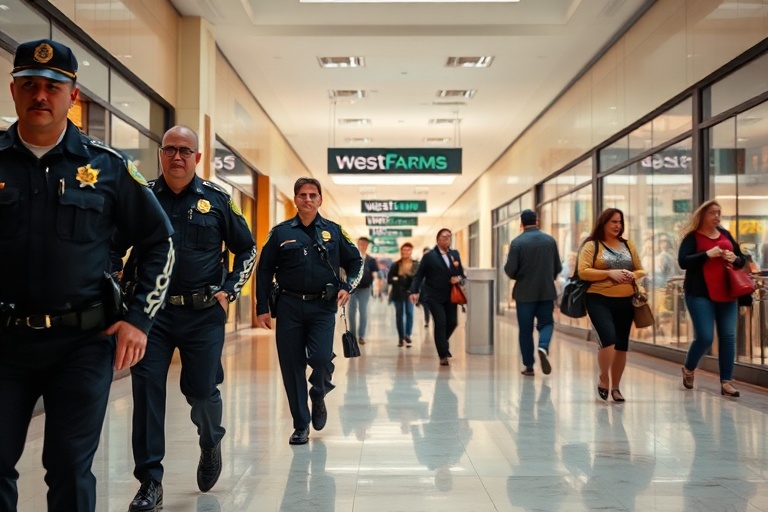
Westfarms Mall Security: How Police Presence Shapes Shopping Safety
Westfarms Mall in Farmington, Connecticut, has long been a regional hub for shopping, dining, and entertainment. With thousands of visitors weekly, maintaining safety and order is paramount. The mall’s police presence—comprising local officers, private security, and coordinated surveillance—reflects broader trends in retail security across the United States and beyond.
Security at large shopping centers like Westfarms is not just about preventing crime; it’s about shaping public perception and fostering a welcoming environment. The approach taken here mirrors strategies seen in malls from Dubai to Tokyo, where visible policing balances deterrence with customer experience. Yet, the effectiveness of such measures often sparks debate about privacy, racial profiling, and the militarization of public spaces.
The Evolution of Mall Security: From Loss Prevention to Community Policing
The concept of mall security has transformed dramatically over the past four decades. In the 1980s and 1990s, retail spaces primarily relied on uniformed guards tasked with catching shoplifters. Today, that model has expanded to include undercover officers, K-9 units, and even partnerships with local law enforcement agencies for active shooter drills.
Westfarms Mall’s security framework reflects this evolution. The mall employs a mix of private security personnel and sworn officers from the Farmington Police Department, who rotate shifts to maintain a visible presence. This hybrid model is common in the U.S., where malls often operate as semi-public spaces with their own rules and enforcement mechanisms.
Internationally, the approach varies. In Japan, for example, malls like Tokyo’s Sunshine City rely heavily on non-confrontational security teams trained in conflict de-escalation. European malls, meanwhile, often integrate surveillance systems with minimal visible policing to preserve a relaxed atmosphere. Westfarms’ strategy sits somewhere in the middle—a blend of American vigilance and global adaptability.
Key Components of Westfarms Mall’s Security Strategy
- Visible Patrols: Officers and security guards conduct regular foot patrols, particularly in high-traffic areas like food courts and parking garages.
- Technology Integration: License plate readers and surveillance cameras monitor vehicle and foot traffic, with footage stored for incident review.
- Community Engagement: Officers participate in mall events, from holiday celebrations to school safety programs, to build trust with visitors.
- Emergency Preparedness: Regular drills for scenarios like medical emergencies or active threats ensure staff and visitors are prepared.
Cultural Perspectives on Mall Policing: A Global Comparison
The role of police in shopping malls is deeply influenced by cultural attitudes toward law enforcement. In the United States, where mall culture is synonymous with consumerism and public gathering, visible policing is often seen as a necessary safeguard. High-profile incidents, such as the 2019 shooting at a mall in El Paso, Texas, have reinforced the idea that malls are potential targets for violence.
Contrast this with countries like Sweden, where malls like Mall of Scandinavia in Stockholm operate with a lighter police footprint. Swedish security teams prioritize de-escalation and mental health support, reflecting the country’s emphasis on community-based policing. Similarly, in Canada, malls like Toronto’s Eaton Centre employ a mix of private security and local police, but with a stronger focus on mental health training for officers.
In the Middle East, malls like Dubai Mall take a different approach. Security is highly visible, with armed officers and strict bag checks, reflecting the region’s prioritization of safety over casual public access. This reflects broader societal values where public order is often prioritized over individual freedoms.
Westfarms Mall’s approach aligns most closely with the American model, but it also incorporates elements of global best practices. For instance, the mall has trained its security teams in implicit bias and de-escalation techniques, a nod to the growing demand for fair and equitable policing in public spaces.
Controversies and Challenges: Balancing Safety with Inclusivity
Despite the best intentions, the presence of police in malls is not without controversy. Critics argue that visible policing can create an atmosphere of surveillance, particularly for marginalized communities. Studies have shown that Black and Latino shoppers are more likely to be scrutinized in retail spaces, a phenomenon known as “shopping while Black.”
Westfarms Mall has faced its share of criticism regarding racial profiling. In 2020, following nationwide protests over police brutality, the mall’s management reviewed its security protocols to ensure they were not disproportionately targeting people of color. This included diversifying the security team and implementing bias training for all personnel.
Another challenge is the perception of malls as “soft targets” for crime. While Westfarms has not experienced a major incident in recent years, other malls have been the site of violent crimes, from armed robberies to mass shootings. This has led some communities to push for even greater police involvement, while others advocate for alternative solutions like unarmed security or community watch programs.
Common Criticisms of Mall Policing
- Over-Policing: Critics argue that visible police presence can make shoppers feel unwelcome or targeted, particularly in diverse communities.
- Lack of Transparency: Some malls do not disclose how often police are called or what incidents lead to arrests, raising concerns about accountability.
- Resource Allocation: Opponents question whether mall security funds could be better spent on social services or community programs.
- Privacy Concerns: The use of surveillance technology, while intended for safety, raises questions about how data is stored and used.
The Future of Mall Security: What’s Next for Westfarms?
As Westfarms Mall looks to the future, it must navigate a complex landscape of evolving threats and societal expectations. The rise of e-commerce has reduced foot traffic in some malls, but those that thrive—like Westfarms—have reinvented themselves as entertainment and dining destinations. This shift requires a security model that balances crime prevention with customer experience.
One emerging trend is the use of artificial intelligence in surveillance. Westfarms could adopt AI-powered cameras that detect suspicious behavior, such as loitering or aggressive movements, without relying solely on human judgment. However, this technology comes with its own set of ethical dilemmas, including concerns about false positives and privacy violations.
Another consideration is the role of mental health in mall safety. Many incidents in retail spaces involve individuals in crisis, whether due to homelessness, addiction, or untreated mental illness. Westfarms has begun training its security teams in crisis intervention, a move that aligns with broader efforts to rethink policing in public spaces.
Ultimately, the goal is to create a safe environment without sacrificing the open, welcoming atmosphere that defines Westfarms. This requires ongoing dialogue between mall management, law enforcement, and the community. It also demands a willingness to adapt as new challenges arise, from cyber threats to climate-related emergencies.
Potential Innovations in Mall Security
- Predictive Policing: Using data analytics to anticipate and prevent incidents before they occur.
- Community Policing Programs: Partnering with local organizations to address root causes of crime, such as poverty or lack of youth programs.
- Smart Technology: Integrating IoT devices to monitor crowd density, air quality, and other factors that could impact safety.
- Enhanced Training: Expanding programs on de-escalation, cultural competency, and trauma-informed care for security personnel.
Westfarms Mall’s police presence is more than just a security measure—it’s a reflection of the mall’s role in the community. By learning from global best practices and addressing its challenges head-on, Westfarms can continue to provide a safe and enjoyable experience for all visitors. The key will be balancing vigilance with empathy, ensuring that safety does not come at the cost of inclusivity.