How Basketball Players Define the Modern Game and Its Future
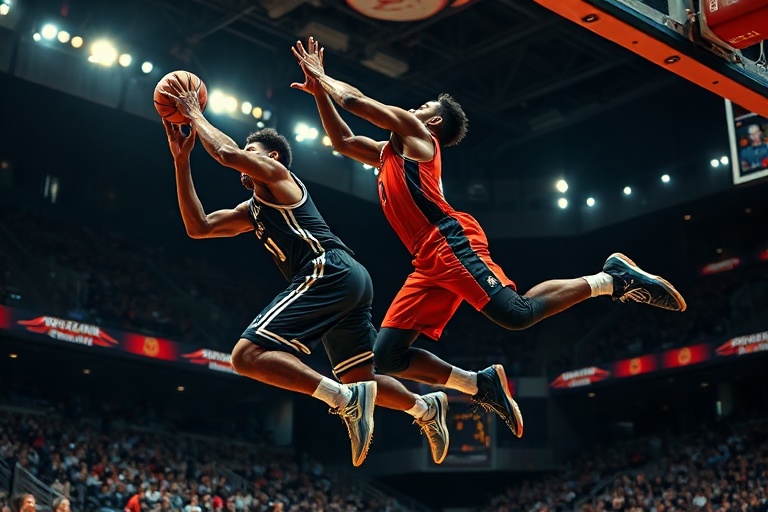
The game of basketball has always been defined by the players who step onto the court. From the early days of peach baskets to the modern era of high-flying dunks and sharpshooting three-pointers, the athletes who dominate the sport have become cultural icons. Their skills, dedication, and personalities shape the way the game is played and perceived around the world.
What makes a great basketball player? It’s not just about scoring points or winning games. The best players combine physical prowess with mental acuity, adaptability, and an almost artistic touch. They evolve with the game, pushing boundaries and redefining what’s possible on the hardwood. Whether it’s a point guard orchestrating the offense or a center dominating the paint, each player brings a unique flavor to the court.
The Evolution of the Modern Basketball Player
Basketball has transformed dramatically over the decades, and so have the players who define it. In the 1980s and 1990s, dominance in the post was key, with players like Hakeem Olajuwon and Shaquille O’Neal controlling games through sheer size and skill. The 2000s introduced a new breed of versatile athletes like Kobe Bryant and LeBron James, who could play multiple positions and excel in various facets of the game.
Today’s players are even more specialized. The rise of analytics has led to a greater emphasis on three-point shooting and efficient scoring. Players like Stephen Curry and Damian Lillard have redefined what it means to be a point guard, turning the three-pointer into a primary weapon. Meanwhile, versatile forwards like Giannis Antetokounmpo blend size, speed, and skill in ways that were rare in previous eras.
The physical demands of the game have also changed. Modern training regimens focus on injury prevention, mobility, and endurance. Players spend hours in the weight room and on the court refining their skills, often using technology like motion capture and wearables to optimize performance. The result is a league where athleticism and precision go hand in hand.
The Role of Positionless Basketball
One of the most significant trends in recent years is the rise of positionless basketball. Traditional roles like point guard, shooting guard, small forward, power forward, and center have blurred as players develop a wider range of skills. This shift has made the game more dynamic and unpredictable.
For example, players like LeBron James and Nikola Jokić have thrived in roles that defy traditional position labels. James, a 6’9” forward, often initiates the offense like a point guard, while Jokić, a center, handles the ball and facilitates the offense like a guard. This versatility forces defenses to adapt constantly, making the game more challenging to prepare for.
The NBA’s emphasis on spacing and pace has also contributed to this trend. Teams prioritize players who can shoot from beyond the arc, forcing defenses to cover more ground. As a result, players who can guard multiple positions and excel in transition have become invaluable.
The Mental Game: Intelligence and Leadership on the Court
Basketball is as much a mental game as it is a physical one. The best players possess an almost preternatural ability to read the game, anticipate plays, and make split-second decisions. This cognitive aspect of the sport is often what separates the good players from the great ones.
Players like Chris Paul and Jokic are renowned for their basketball IQ. Paul, despite his lack of elite athleticism, has carved out a Hall of Fame career by mastering the nuances of the game. His ability to control the tempo, deliver pinpoint passes, and exploit defensive weaknesses makes him one of the most effective point guards in history. Jokić, meanwhile, uses his court vision to orchestrate offenses, often leading the league in assists for a center.
Leadership is another critical component. Players like Tim Duncan and Kobe Bryant were known not just for their skills but for their ability to elevate the performance of their teammates. Duncan’s quiet, steady demeanor earned him the nickname “The Big Fundamental,” while Bryant’s relentless work ethic inspired those around him. In today’s NBA, players like Kevin Durant and Jimmy Butler are vocal leaders who set the tone for their teams both on and off the court.
The Pressure of Expectations
With great talent comes great pressure. Young players entering the league today face immense expectations, often thrust into the spotlight before they’re fully developed. The NBA’s global reach has also intensified scrutiny, as players become household names overnight.
Consider the case of Luka Dončić. Drafted third overall in 2018, he was immediately expected to carry the Dallas Mavericks to contention. While he has shown flashes of brilliance, the pressure to perform at an elite level from day one has been a constant challenge. Similarly, Zion Williamson entered the league with unparalleled hype, but injuries and the weight of expectations have slowed his progression.
Mental health has become an increasingly important topic in sports, and basketball players are no exception. Organizations like the NBA have begun prioritizing mental health resources, recognizing that the pressures of fame and performance can take a toll. Players like Kevin Love and DeMar DeRozan have been vocal about their struggles, helping to reduce the stigma surrounding mental health in sports.
Training, Technology, and the Future of Basketball Players
The way players train and prepare has evolved alongside the game itself. Gone are the days when simply shooting hoops and lifting weights were enough. Today’s athletes rely on a combination of advanced technology, sports science, and personalized training regimens to stay at the top of their game.
Wearable technology, such as Catapult’s GPS vests, tracks players’ movements, heart rates, and workloads in real time. This data helps coaches manage fatigue and reduce the risk of injury. Meanwhile, virtual reality (VR) is being used to simulate game situations, allowing players to practice decision-making in a controlled environment. The Golden State Warriors, for example, have incorporated VR into their training to help players visualize and prepare for opponents’ schemes.
Nutrition and recovery have also become cornerstones of player development. Teams employ full-time nutritionists and chefs to ensure players are fueling their bodies for peak performance. Recovery methods like cryotherapy, massage guns, and sleep optimization are now standard practice. Players like Kawhi Leonard have famously prioritized recovery, often using advanced techniques to maintain their durability over long seasons.
The Rise of International Talent
The NBA’s global reach has led to a surge in international talent, diversifying the league and introducing new styles of play. Players from Europe, Africa, Australia, and beyond have made significant impacts, bringing unique skill sets and perspectives to the game.
Consider the contributions of players like Giannis Antetokounmpo (Greece), Nikola Jokić (Serbia), and Joel Embiid (France). Each brings a different approach to the game, enriching the NBA’s cultural and athletic landscape. The rise of the “Euro Step,” popularized by players like Manu Ginóbili and Giannis, has become a staple in modern basketball, showcasing the influence of international players on the sport.
This globalization has also changed the way teams scout and develop talent. The NBA now holds international academies and combines, such as the NBA Academy Africa and the Basketball Without Borders program, to identify and nurture young prospects from around the world. The result is a league that is more diverse and dynamic than ever before.
Conclusion: The Ever-Changing Canvas of Basketball Players
Basketball players are the lifeblood of the sport, constantly evolving and redefining what it means to excel on the court. From the physical dominance of early centers to the positionless versatility of today’s stars, the game has been shaped by the athletes who play it. Their skills, intelligence, and adaptability ensure that basketball remains one of the most exciting and unpredictable sports in the world.
The future of basketball will likely be defined by even greater specialization, technological integration, and global influence. As the game continues to evolve, so too will the players who shape it. Whether it’s a rookie making an immediate impact or a veteran redefining their role, the artistry and athleticism of basketball players will always be at the heart of the sport.
For those looking to stay updated on the latest trends and stories in basketball, Dave’s Locker Trending and Dave’s Locker Sports sections offer in-depth coverage and analysis.