Understanding the FA Cup Final: History, Impact, and Legacy
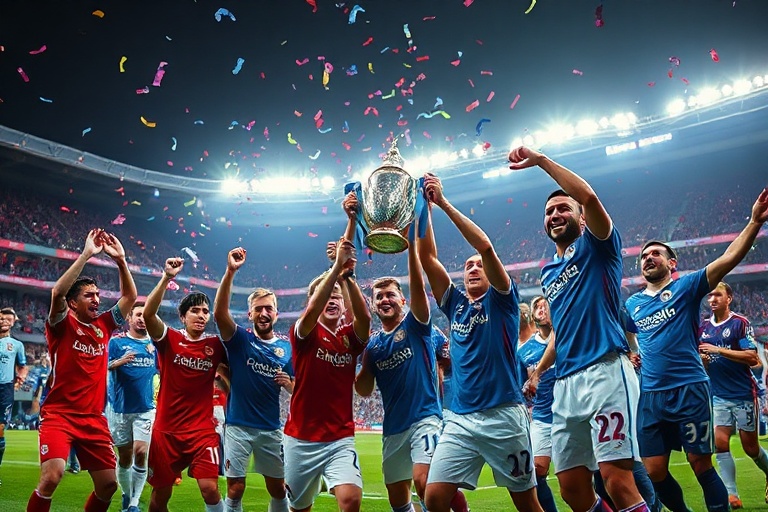
The FA Cup Final stands as one of English football’s most hallowed traditions, a single match where legends are made and underdog stories unfold. Unlike league campaigns that stretch over months, the final delivers a concentrated dose of drama, tension, and spectacle in just 90 minutes. For players, it represents the pinnacle of a club’s season; for fans, it’s a ritual steeped in history and emotion.
This year’s final, played at Wembley Stadium, once again showcased the tournament’s enduring appeal. While the identity of the teams may change, the essence of the competition remains unchanged: a knockout format where David can topple Goliath, and a cup run can transform a club’s legacy overnight.
The Weight of History Behind the Final
Founded in 1871, the FA Cup is the oldest football competition in the world. Its final has been staged at Wembley since 1923, a venue synonymous with triumph and heartbreak. Over the decades, the final has witnessed iconic moments—the 1970 final where Chelsea defied the odds against Leeds, or Arsenal’s invincible team lifting the trophy in 2002. These matches are etched into football folklore, not just for the result, but for the stories that unfolded on the pitch.
For clubs outside the Premier League’s elite, reaching the final is a chance to prove they belong. Non-league teams have shocked the football world by progressing deep into the competition, though the final itself has remained dominated by top-flight sides in recent years. Still, the potential for a fairytale run endures, a reminder that in the FA Cup, anything is possible on paper.
Key Factors That Shape the Final
The FA Cup Final is more than a game—it’s a collision of strategy, stamina, and sheer willpower. Several elements consistently influence the outcome:
- Form and Fitness: Clubs often prioritize the cup over league form, fielding strong teams with fresh legs. Injuries to key players can derail even the most promising campaigns.
- Managerial Tactics: The final is a high-stakes chess match. Managers must balance aggression with pragmatism, knowing a single mistake can cost the match.
- Crowd Atmosphere: Wembley’s 90,000 fans create an electric environment. Home advantage is minimal—both sets of supporters bring equal noise—but the energy can lift a team or rattle nerves.
- Cup Experience: Teams with recent final experience often handle pressure better. Nerves can be a factor, especially for players making their first appearance in the showpiece event.
Why the FA Cup Still Matters in Modern Football
In an era of relentless commercialization and congested schedules, the FA Cup offers something unique: a pure, unfiltered narrative. Unlike the Premier League’s predictable dominance by a handful of clubs, the cup thrives on unpredictability. It’s a rare chance for smaller clubs to challenge the establishment, even if only briefly.
The competition also serves as a proving ground for young talent. Clubs often field academy players or fringe stars in early rounds, giving them invaluable experience. For managers, it’s a test of squad depth and tactical flexibility—qualities that can define a season.
Financially, the FA Cup Final is a goldmine. Broadcasting rights, sponsorship deals, and prize money inject vital revenue into clubs, particularly those outside the top flight. The winner earns millions, but even the losers benefit from the exposure and prestige.
Yet its value extends beyond money. The FA Cup is a cultural touchstone, a shared experience that unites fans across generations. It’s the reason why, every year, clubs and supporters alike treat the competition with reverence, regardless of its challenges.
The Broader Impact on English Football
The FA Cup Final’s influence ripples through the entire footballing pyramid. For Premier League clubs, it’s an opportunity to add silverware to their trophy cabinets, often while resting key players for league commitments. For Championship and lower-league sides, a deep run can boost morale, attendance, and even transfer budgets.
It also shapes managerial reputations. A manager who consistently delivers in the FA Cup—like Arsène Wenger or José Mourinho—can cement their legacy, even if their league form is inconsistent. Conversely, a failure to progress can hasten the exit of a high-profile coach.
On a broader level, the FA Cup reinforces the idea that football is more than just a business. It’s a sport with soul, where romance and rivalry intertwine. In an age where football is increasingly dominated by financial power, the FA Cup remains a democratic competition, open to all.
What’s Next for the FA Cup?
The future of the FA Cup is a topic of ongoing debate. Some argue for reform—perhaps expanding the competition to include more teams or tweaking the format to reduce fixture congestion. Others believe its traditional structure is sacrosanct and should be preserved at all costs.
What’s clear is that the FA Cup Final will continue to captivate audiences, not just in England but worldwide. Its blend of history, drama, and unpredictability ensures its place in the heart of football culture. Whether it’s a David vs. Goliath clash or a clash between two giants, the final remains a must-watch event.
As clubs prepare for their next cup run, one thing is certain: the FA Cup Final will always be more than just a game. It’s a celebration of football’s past, present, and future.
For fans and neutrals alike, the hope is that the magic of the FA Cup never fades—because when the underdog triumphs or a last-minute winner is scored, it reminds us why we fell in love with the sport in the first place.
To stay updated on the latest football news and analysis, visit Dave’s Locker Sports and explore deeper insights into the FA Cup and beyond.