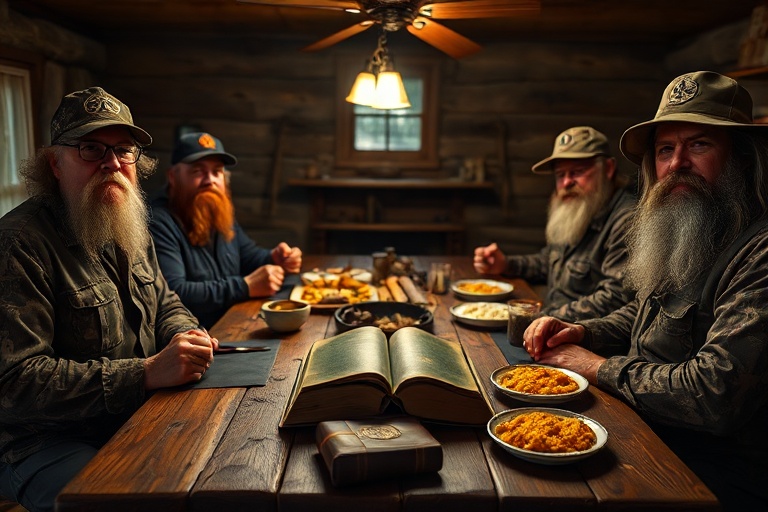
How Duck Dynasty Turned Duck Calls Into a Global Empire
“`html
Duck Dynasty: How a Simple Duck Call Company Became a Cultural Institution
The Robertson family’s journey from obscure duck call manufacturers to global pop culture icons is one of the most unlikely success stories in modern American business. What began as a modest family operation in the backwoods of Louisiana transformed into a multimedia empire that redefined rural Americana for millions. Duck Dynasty didn’t just sell duck calls—it sold a lifestyle, a brand of authenticity, and a carefully crafted image that resonated far beyond the hunting blind.
The Robertsons: From Humble Beginnings to Household Names
The Robertson family’s roots trace back to the 1970s, when Phil Robertson crafted his first duck call in a small workshop behind his home. His passion for waterfowl hunting led to the creation of the Duck Commander brand, which initially operated as a side business while he worked as a schoolteacher. The turning point came in the early 2000s when his son, Willie, took over the company and rebranded it with a focus on modern marketing and retail expansion.
By 2004, the company had relocated to West Monroe, Louisiana, where it became a local fixture. But the real breakthrough arrived in 2011, when A&E approached the family about a reality TV show. Duck Dynasty, which premiered that year, thrust the Robertsons into the national spotlight almost overnight. The show’s blend of humor, family dynamics, and Southern charm struck a chord with audiences who were hungry for something genuine in a media landscape dominated by polished celebrities.
The show’s appeal lay in its contrast to traditional reality TV. The Robertsons weren’t performing for the camera; they were being themselves—flawed, devout, and unapologetically themselves. Their beards, their faith, and their unfiltered personalities became symbols of a simpler way of life, even as their empire grew to include merchandise, books, and even a university.
The Brand Beyond the Show: Merchandising, Faith, and Controversy
Duck Dynasty evolved from a TV show into a cultural phenomenon in its own right, largely due to the family’s shrewd business decisions. The brand expanded rapidly, capitalizing on the Robertsons’ newfound fame to sell everything from camouflage clothing to duck call accessories. At its peak, the company generated over $400 million in annual revenue, proving that authenticity could be a powerful marketing tool.
One of the most significant aspects of the brand was its overt Christian messaging. The Robertson family openly discussed their faith, and their beliefs were woven into the show’s narrative. This resonated with millions of viewers who saw the family as a beacon of traditional values in a rapidly changing world. However, the brand’s association with conservatism also sparked controversy, particularly when Phil Robertson was suspended from Duck Dynasty in 2013 after making controversial comments about homosexuality in a magazine interview.
The incident highlighted the delicate balance the Robertsons had to maintain between their personal beliefs and their public image. While some fans stood by the family, others criticized them for their views. The controversy ultimately became a defining moment for the brand, demonstrating its polarizing yet undeniable influence.
Key Takeaways from the Duck Dynasty Empire
- Authenticity sells: The Robertsons’ unfiltered personalities and genuine connection with their audience set them apart from traditional celebrities.
- Faith as a brand: The family’s Christian values became a cornerstone of their appeal, attracting a loyal following but also inviting criticism.
- Controversy fuels visibility: The Robertsons’ willingness to stand by their beliefs—even when it caused backlash—kept the brand in the public eye.
- Diversification is key: From TV to merchandise to books, the family leveraged their fame across multiple platforms to build a lasting empire.
Beyond the Duck Calls: The Lasting Impact of Duck Dynasty
The Robertson family’s success story extends far beyond hunting gear. Their journey reflects broader trends in American culture, particularly the rise of the “everyman” celebrity and the power of niche branding. In an era where social media influencers dominate the spotlight, the Robertsons proved that traditional media—when paired with authenticity—could still capture the public’s imagination.
Their influence can be seen in the proliferation of reality TV shows centered on family dynamics and rural life, from Buckwild to Moonshiners. Even in the gaming world, the Duck Dynasty brand inspired video games, mobile apps, and collaborations with major companies like Cabela’s and Walmart. The Robertsons didn’t just create a product; they created a cultural movement that celebrated a specific way of life.
Yet, their story also raises questions about the commodification of authenticity. As the Robertsons’ empire grew, so did the scrutiny of their personal lives and business practices. Critics argued that their image of simplicity was carefully curated, and the reality of their wealth and fame often clashed with the humble, backwoods persona they projected. This tension between image and reality is a common theme in modern celebrity culture, where the line between persona and authenticity has become increasingly blurred.
What’s Next for the Duck Dynasty Legacy?
As of 2024, the Robertson family continues to expand their brand, though at a more measured pace than during the show’s peak. Willie Robertson has taken on a more prominent public role, appearing on talk shows, investing in new business ventures, and even launching a podcast. The family has also faced challenges, including the COVID-19 pandemic, which disrupted supply chains and forced them to adapt their business model.
One of the most notable shifts has been the family’s embrace of new media. While Duck Dynasty remains a defining part of their legacy, the Robertsons have ventured into podcasting, YouTube, and even a new reality show, Duck Family Treasure. This evolution reflects a broader trend in the entertainment industry, where traditional TV stars must adapt to the digital age to stay relevant.
The future of the Duck Dynasty brand will likely depend on its ability to balance nostalgia with innovation. The family’s core values—faith, family, and authenticity—remain as relevant as ever, but the media landscape is more crowded than ever. Will the Robertsons continue to thrive, or will their story become another footnote in the annals of reality TV history? Only time will tell.
What is clear is that Duck Dynasty was more than just a TV show. It was a cultural touchstone that redefined the possibilities of family-owned businesses and reality television. For better or worse, the Robertsons changed the game, proving that sometimes the simplest ideas—like a duck call—can echo the loudest.
For more on the intersection of pop culture and business, explore Dave’s Locker Analysis section, where we dissect the forces shaping modern entertainment.
Conclusion
The Duck Dynasty phenomenon is a testament to the power of authenticity in a world that often feels manufactured. The Robertson family’s ability to turn a humble duck call business into a global brand speaks to the enduring appeal of simplicity, faith, and unapologetic self-expression. While the show may no longer air new episodes, its legacy lives on in the hearts of fans, the shelves of Walmart, and the ever-evolving landscape of reality TV. Whether you see them as cultural icons or controversial figures, the Robertsons undeniably left an indelible mark on American pop culture.