Why a Muntjac Deer in a Marks & Spencer Car Park Matters
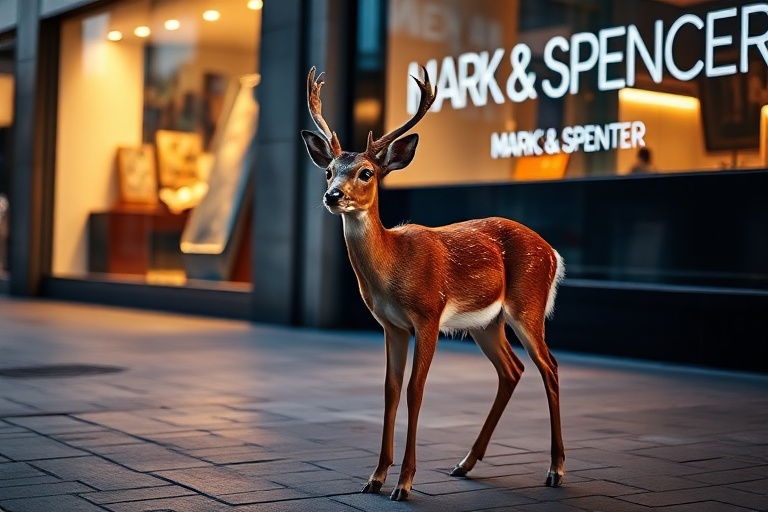
In the quiet hours of a suburban evening, a muntjac deer made an unexpected appearance in a Marks & Spencer car park. The incident, captured on CCTV, quickly became a talking point among locals and online communities alike. But why does this seemingly ordinary event matter? To understand its significance, we need to look beyond the novelty of a wild animal wandering into a retail space.
The encounter occurred at an M&S store in St Albans, Hertfordshire, where the deer was spotted browsing the parking lot. Security footage showed the muntjac—known for its small size and distinctive bark—navigating between cars with apparent ease. While the animal left unharmed, the incident raises broader questions about urban wildlife, retail logistics, and even corporate branding.
The Rise of Unusual Retail Encounters
Retail environments are increasingly becoming unexpected stages for wildlife interactions. From foxes in London Underground stations to raccoons in Japanese convenience stores, these encounters reflect a growing convergence between urban spaces and natural habitats. Marks & Spencer, a brand synonymous with British tradition, now finds itself at the center of one such story.
The muntjac’s appearance wasn’t just a fluke. Urban sprawl has pushed wildlife into closer proximity with human settlements. Suburban retail parks, with their expansive parking lots and adjacent green spaces, create ideal corridors for animals seeking food or shelter. This muntjac may have wandered from nearby woodlands, drawn by the scent of discarded food or the warmth of tarmac.
For M&S, the incident presents a unique PR opportunity. The brand could lean into the whimsy of the moment, perhaps even launching a limited-edition “Wild & Free” picnic range inspired by the deer. Alternatively, they might use it to highlight their sustainability efforts, emphasizing M&S’s role in coexisting with local ecosystems.
What This Says About Modern Retail Spaces
This muntjac’s visit is more than a quirky anecdote—it’s a symptom of larger trends reshaping retail. The traditional shopping mall, once a controlled, sanitized environment, now exists in a gray area where nature and commerce intersect. Climate change, habitat loss, and urban expansion are blurring these boundaries, forcing businesses to adapt.
Retailers like M&S are already investing in greener initiatives, from plastic-free packaging to carbon-neutral stores. Could this muntjac incident become a symbol of their commitment to environmental stewardship? Or will it be dismissed as a one-off oddity? The answer may lie in how M&S chooses to frame the story.
Consider the logistics: muntjacs are territorial animals, often found in woodlands and hedgerows. Their presence in a car park suggests that local green spaces are either shrinking or becoming overcrowded. For M&S, this could be a prompt to partner with wildlife conservation groups, turning their stores into hubs for environmental education.
Could This Become a Corporate Mascot? The Muntjac Marketing Opportunity
The idea of a corporate mascot isn’t new—think Tony the Tiger or the Pillsbury Doughboy. But could a wild deer become the face of M&S? Unlikely, perhaps, but the potential for viral marketing is undeniable. Social media has already embraced the story, with #MuntjacAtMandS trending locally. Brands that react swiftly and creatively could turn such moments into lasting brand equity.
Imagine an M&S campaign featuring the “St Albans Stag,” a playful nod to the deer’s unexpected visit. The brand could donate proceeds from a special product line to wildlife charities, aligning with their Plan A sustainability goals. Such a move would not only generate goodwill but also position M&S as a forward-thinking, eco-conscious retailer.
Yet, there’s a risk in over-commercializing the incident. Nature’s charm lies in its unpredictability. Forcing a corporate narrative could backfire, making the brand seem tone-deaf. The key would be to strike a balance—celebrate the moment without exploiting it.
Key Takeaways: What the Muntjac Incident Teaches Us
The muntjac’s brief but memorable appearance in an M&S car park offers several lessons for businesses and consumers alike. Here’s what we can learn:
- Urban wildlife is adapting: As cities expand, animals are finding new ways to thrive in human-dominated landscapes. Retailers must anticipate these interactions.
- Brand storytelling is evolving: In a digital age, authenticity matters. Brands that embrace unexpected moments can connect with audiences on a deeper level.
- Sustainability isn’t optional: Incidents like this highlight the need for businesses to integrate environmental responsibility into their core operations.
- Viral moments require careful handling: Not every trending topic deserves a corporate spin. Sometimes, the best response is to let the story breathe.
Conclusion: A Deer in the Headlights of Modern Retail
The muntjac at M&S is more than a quirky headline—it’s a mirror held up to the complexities of modern retail. It reflects our changing relationship with nature, the evolving expectations of consumers, and the creative challenges faced by brands in an unpredictable world.
For M&S, the choice is clear: ignore the incident, capitalize on it, or use it as a catalyst for deeper change. The latter two options could redefine the brand’s image, proving that even the most unexpected moments can shape a company’s legacy.
As for the muntjac? It likely returned to the safety of the woods, unaware of the stir it caused. But its legacy lives on—not just in CCTV footage, but in the conversations it sparked about wildlife, retail, and the spaces we share.
For more on how brands are navigating the intersection of commerce and nature, explore our Nature and Business categories.