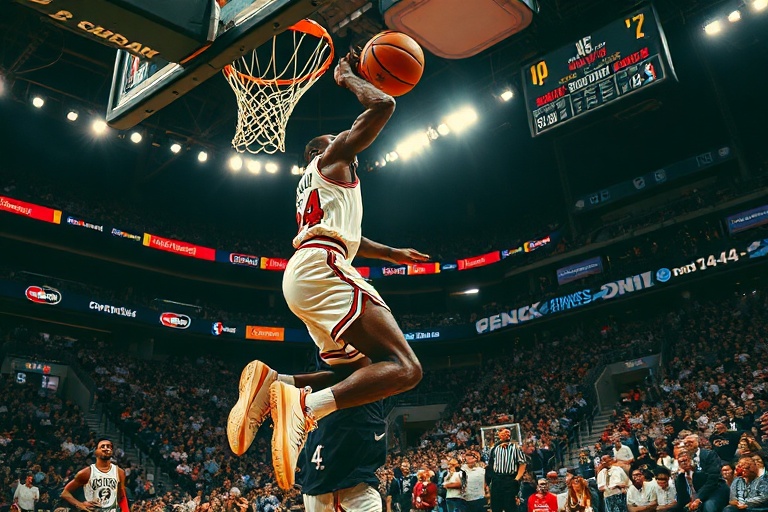
Basketball’s global appeal stretches far beyond American courts. From its origins in Springfield, Massachusetts, to packed arenas in Beijing and Manila, the sport has been shaped by legendary players whose influence extends beyond points scored or championships won. These athletes didn’t just dominate on the floor—they redefined culture, inspired generations, and united communities across continents.
The Pioneers Who Laid the Foundation
In basketball’s early decades, the sport was still finding its identity. The players who emerged in the mid-20th century didn’t just play—they built the game’s foundation. Wilton Norman “Wilt” Chamberlain, for instance, remains one of the most statistically dominant figures in history. His 100-point game in 1962 stands untouched, a record that speaks to both his physical prowess and the era’s less structured defensive schemes.
Oscar Robertson, the first player to average a triple-double for an entire season, bridged the gap between college and professional dominance. Before the merger of the NBA and ABA, Robertson’s 1960 Olympic gold medal run showcased basketball’s potential as a global sport. His leadership and all-around skill influenced countless players who followed, proving that versatility could define a career.
Legends Who Changed the Way the Game Is Played
No discussion of basketball’s evolution is complete without mentioning Julius “Dr. J” Erving. His high-flying style in the 1970s revolutionized the sport, blending acrobatics with fundamental play. Erving’s influence extended to the ABA, where his dunking prowess drew fans to a league that eventually merged with the NBA, enriching the latter’s athleticism and entertainment value.
Magic Johnson’s arrival in the 1980s marked another turning point. Standing at 6’9”, Johnson redefined the point guard position with his size, vision, and leadership. His rivalry with Larry Bird revitalized the NBA, turning it into a mainstream spectacle. Together, they helped the league expand internationally, paving the way for global stars like Dirk Nowitzki and Giannis Antetokounmpo.
The Global Expansion of Basketball Icons
Basketball’s growth as a worldwide phenomenon owes much to players who carried the sport beyond U.S. borders. Hakeem Olajuwon, born in Nigeria, became one of the most skilled centers in history. His footwork, dubbed the “Dream Shake,” inspired a generation of international big men, proving that talent knows no nationality.
Manu Ginóbili, the Argentine guard, brought a fiery passion and unorthodox play to the NBA. His 2003 Finals MVP with the San Antonio Spurs highlighted basketball’s international appeal. Ginóbili’s success, alongside peers like Pau Gasol from Spain, demonstrated that European players could thrive in the league, encouraging youth programs across Europe and beyond.
The Modern Era: Players Redefining Global Influence
The 21st century has seen basketball’s center of gravity shift toward a more diverse and international stage. From Giannis Antetokounmpo’s rise in Greece to Luka Dončić’s dominance in Slovenia, Europe continues to produce elite talent. Meanwhile, players like Yao Ming from China broke cultural barriers, becoming ambassadors for the sport in Asia.
In Africa, basketball is experiencing a renaissance. Joel Embiid, born in Cameroon, has become one of the NBA’s most dominant forces. His MVP-caliber seasons have inspired young athletes across the continent to pursue basketball dreams. Programs like Basketball Without Borders, supported by the NBA, are nurturing talent in regions where the sport was once less accessible.
The Cultural Impact of Basketball’s Greatest
Basketball players have always been more than athletes—they are cultural icons. Michael Jordan’s global brand transcended sports, making him a household name in countries where basketball wasn’t traditionally popular. His partnership with Nike led to the Air Jordan line, which remains a staple in fashion and streetwear.
LeBron James has taken this influence further. Through his media empire, school initiatives, and social activism, LeBron has used his platform to address systemic issues. His I PROMISE School in Ohio provides education and resources to at-risk youth, proving that athletes can drive social change.
Internationally, players like Dirk Nowitzki have become symbols of national pride. Nowitzki led Germany to a bronze medal in the 2002 FIBA World Championship and inspired a generation of European players. His legacy extends beyond basketball, influencing how Germany views sports and athleticism.
How These Players Shaped the Business of Basketball
The business of basketball has evolved alongside its stars. In the 1980s, Magic Johnson and Larry Bird’s rivalry boosted TV ratings, leading to the NBA’s modern broadcasting deals. Today, international players like Luka Dončić are drawing European audiences to NBA games, expanding the league’s global footprint.
The NBA’s international games in places like London, Paris, and Tokyo are now staples of the season. Players like Giannis and Embiid have massive followings in their home countries, driving merchandise sales and sponsorships. Basketball’s global appeal has even influenced how the sport is played, with teams prioritizing international scouting and player development.
What’s Next for Basketball’s Global Icons?
The next generation of basketball stars is already making waves. Victor Wembanyama, the French phenom, has drawn comparisons to legends like Hakeem Olajuwon for his versatility and skill. Meanwhile, Victor Oladipo’s journey from Delaware to Nigeria’s national team highlights basketball’s growing influence in Africa.
Social media has amplified these players’ reach. Platforms like Instagram and TikTok allow athletes to connect directly with fans, bypassing traditional media. Players like Zion Williamson and Caitlin Clark are redefining what it means to be a modern basketball icon, blending on-court excellence with off-court influence.
The Role of Technology in Basketball’s Future
Technology is reshaping how basketball is played and consumed. Advanced analytics help teams optimize player performance, while wearable devices track fitness and prevent injuries. The NBA’s partnership with companies like Second Spectrum has revolutionized how games are analyzed, giving players and coaches new tools to improve.
Virtual reality is also entering the sport. Teams are using VR to simulate game situations, helping players train more efficiently. This technology could level the playing field, allowing smaller programs to compete with elite teams by leveraging data and innovation.
Conclusion: The Legacy of Basketball’s Greatest
Basketball’s greatest players have always been more than just athletes—they are storytellers, culture-shapers, and global ambassadors. From Wilt Chamberlain’s records to LeBron James’ activism, these players have left indelible marks on the sport and society. As basketball continues to grow worldwide, the next generation of stars will carry this legacy forward, ensuring the game’s global appeal endures.
Whether it’s through on-court dominance, cultural influence, or business acumen, these players remind us that basketball is more than a game. It’s a unifying force that brings people together across continents, languages, and backgrounds. As the sport evolves, one thing remains certain: the players who define it will continue to inspire generations to come.