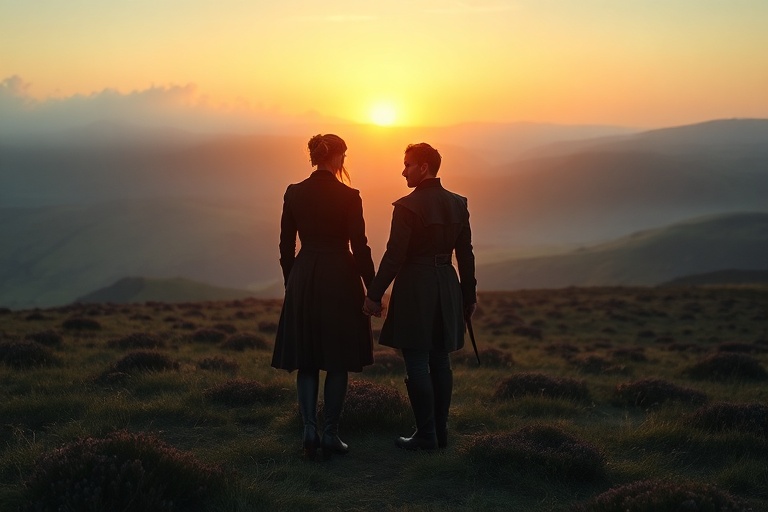
The final season of Outlander has drawn to a close, leaving audiences with a bittersweet conclusion to a series that has defined a decade of television. Based on Diana Gabaldon’s bestselling novels, the Starz adaptation has woven a tapestry of history, romance, and adventure that has captivated millions. As the final credits rolled, viewers were left reflecting on the journey of Claire and Jamie Fraser, whose love story has become one of modern television’s most enduring narratives.
The finale did not disappoint in delivering closure, though it arrived with the kind of emotional weight that only long-running series can muster. The final season served as a reminder of how television storytelling has evolved, blending historical drama with modern sensibilities. For fans who have followed the Frasers since 2014, the end of Outlander marks not just the conclusion of a show, but the closing of a chapter in their own viewing habits.
The Final Season’s Narrative Choices
This final season took bold steps in reshaping the Fraser family’s destiny. While earlier seasons focused heavily on their early adventures in the 18th century, the later installments expanded the scope to include the consequences of their actions across generations. The writing team made deliberate choices to prioritize character arcs over traditional plot mechanics, a decision that resonated with long-time viewers.
Key moments in the finale included:
- Claire’s Agency: The season reinforced Claire’s independence, both as a woman and as a healer, culminating in a powerful closing scene where she steps into a new chapter of her life.
- Jamie’s Legacy: Jamie’s journey from a young, fiery Highlander to a reflective, aging patriarch was given its due, with the finale underscoring the sacrifices he made for love and principle.
- Family Reunions: The season wove in reunions with Brianna, Roger, and the next generation, bridging the past and future in a way that felt organic rather than forced.
These narrative choices reflect a broader trend in modern television, where character-driven storytelling often takes precedence over traditional three-act structures. The finale’s pacing allowed for moments of quiet reflection, a departure from the high-stakes drama that defined earlier seasons. This shift may have surprised some viewers, but for others, it was a welcome evolution that honored the show’s thematic core.
Fan Reactions and Cultural Impact
The response to the finale has been overwhelmingly positive, though tinged with nostalgia. Social media platforms lit up with tributes, fan art, and heartfelt goodbyes. Many viewers expressed gratitude for the series’ ability to tackle complex themes—such as love, loss, and resilience—while maintaining a sense of escapism. The show’s blend of historical detail and fantastical elements has set it apart in an era dominated by either gritty realism or pure fantasy.
Critics, too, have weighed in, with many praising the final season for its emotional depth. Some noted that the show’s strongest moments came not from its action sequences, but from its quieter, more introspective scenes. The relationship between Claire and Jamie, in particular, was highlighted as a rare example of a love story that felt both timeless and grounded in reality.
For a series that has often been dismissed as mere “romance with kilts,” Outlander has proven to be far more. It has tackled issues of colonialism, gender roles, and cultural identity with a nuance that is rare in mainstream television. The finale’s willingness to engage with these themes—even in its closing moments—cements its place as a series that demanded to be taken seriously.
What Comes Next for Outlander?
With the main series concluded, the question on many fans’ minds is: what’s next? Starz has been quiet about immediate spin-offs, though rumors persist about potential limited series or prequels. Diana Gabaldon herself has hinted at more stories to tell, particularly around secondary characters like Fergus and Marsali. For now, however, the focus remains on the legacy of Claire and Jamie.
The finale’s final shot—a slow zoom on Claire’s face as she looks toward the future—serves as a metaphor for the show’s enduring appeal. It’s not just about where the characters end up, but about the journey they took to get there. That journey has left an indelible mark on viewers, many of whom grew up alongside the Frasers.
The Broader Implications for Historical Dramas
Outlander’s conclusion arrives at a time when historical dramas are facing increasing scrutiny. Shows like Bridgerton and The Crown have redefined the genre, blending historical settings with modern storytelling techniques. Outlander, however, has always occupied a unique space. It’s not just a period piece; it’s a love story, a fantasy, and a historical epic all at once.
The show’s success has proven that there’s still a massive appetite for historical dramas that don’t shy away from complexity. Its willingness to engage with real-world issues—such as slavery, warfare, and political upheaval—while maintaining a romantic core set it apart. As the final season fades into memory, it leaves behind a blueprint for how to blend genres without losing sight of character or theme.
For fans, the end of Outlander is bittersweet. But it’s also a reminder of the power of storytelling. Claire and Jamie’s journey may have reached its conclusion, but their legacy will endure in the hearts of those who watched them live, love, and fight across centuries.
Where to Go From Here
If you’re looking to revisit the world of Outlander or explore similar series, consider diving into:
- Entertainment for more historical dramas and period pieces.
- Analysis for deeper dives into television and storytelling trends.
The final season of Outlander may have ended, but its impact will continue to be felt for years to come. Whether you’re a longtime fan or a newcomer, its story of love, resilience, and adventure remains a testament to the power of great television.