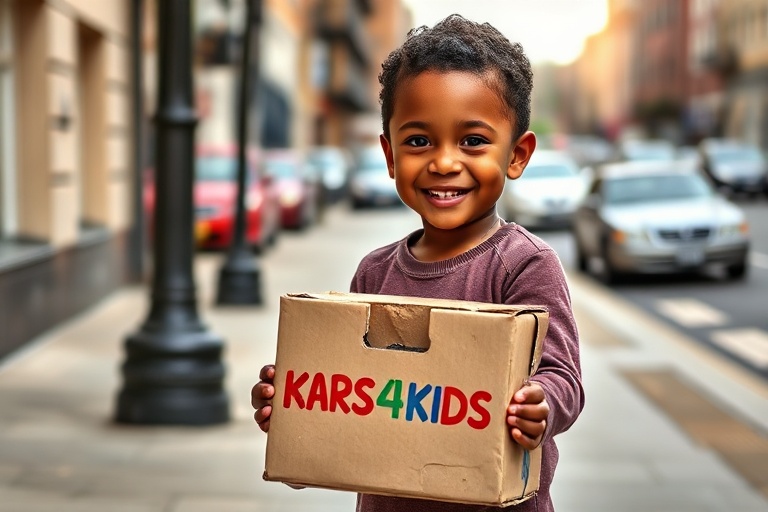
Kars4Kids: Turning Old Cars into New Opportunities
In the world of charitable organizations, few models combine simplicity with impact as effectively as Kars4Kids. Founded in 2003, this nonprofit has grown into a global effort that transforms donated vehicles into funding for educational programs. What began as a modest initiative has since expanded across the United States and even reached international communities, creating a ripple effect of support for children and families.
The concept is straightforward: donors give their used cars, which are then sold or auctioned. The proceeds fund scholarships, summer camps, and educational resources for underserved youth. Over the past two decades, Kars4Kids has raised millions, proving that even small donations can create meaningful change when channeled effectively.
The Origins and Expansion of a Simple Idea
Kars4Kids was established by Rabbi Label Lam and his wife, Tova Lipskier, in New York. Their vision was rooted in a desire to help Jewish children access better education and enrichment opportunities. The name itself reflects the organization’s dual mission: “kars” (cars) and “kids,” symbolizing the direct connection between vehicle donations and youth programs.
Initially, the program operated locally, relying on word-of-mouth and community networks. Within a few years, however, its reputation grew. By leveraging partnerships with towing services and online platforms, Kars4Kids streamlined the donation process, making it easier for people nationwide to participate. Today, the organization accepts vehicles in all 50 states, as well as in Canada and the United Kingdom, adapting its model to fit different regulatory and cultural landscapes.
The expansion wasn’t without challenges. In some regions, skepticism about charity practices led to scrutiny. Kars4Kids responded by increasing transparency, publishing annual reports and donor testimonials. These efforts helped build trust, reinforcing the idea that even small contributions could have a measurable impact.
How the Donation Process Works
The process of donating a car to Kars4Kids is designed to be as effortless as possible for the donor. It begins with an online form or phone call, where basic details about the vehicle are collected. Once submitted, a representative arranges pickup at the donor’s convenience. There’s no need for haggling or negotiations—just a quick assessment of the car’s condition, followed by a tax-deductible receipt for the donor’s records.
For donors, the benefits extend beyond altruism. In the U.S., the IRS allows deductions for charitable vehicle donations, often valued at fair market rates. This financial incentive has been a key driver of the program’s popularity, especially among those looking to declutter or upgrade their vehicles without the hassle of selling privately.
Once collected, the cars follow one of two paths. If the vehicle is in good working condition, it may be sold at auction or through dealership partnerships. Alternatively, if repairs aren’t cost-effective, the car is dismantled for parts or recycled. Either way, the proceeds go directly toward Kars4Kids’ educational initiatives, ensuring that no resource is wasted.
The Broader Impact on Education and Communities
Kars4Kids’ primary focus is supporting Jewish day schools and summer camps, but its influence extends beyond a single demographic. The organization has funded programs for children with disabilities, provided scholarships for low-income families, and even supported STEM education initiatives. In underserved neighborhoods, these contributions can mean the difference between limited opportunities and access to quality learning experiences.
One notable example is the organization’s partnership with education nonprofits in urban areas. By funding after-school tutoring and mentorship programs, Kars4Kids helps bridge gaps that public schools often struggle to address. These efforts align with a growing global trend of using private philanthropy to supplement public education, particularly in communities where resources are scarce.
Internationally, the model has been adapted to fit local needs. In the UK, for instance, Kars4Kids collaborates with charities that focus on literacy and vocational training. The cultural context differs, but the core principle remains: turning idle assets into opportunities for growth. This adaptability has allowed the organization to thrive in diverse environments, from bustling cities to rural towns.
Criticism and Controversy: A Closer Look
No charitable organization is immune to scrutiny, and Kars4Kids has faced its share of criticism. Some donors and watchdog groups have questioned the percentage of funds that actually reach the intended beneficiaries. In response, Kars4Kids has emphasized its low overhead costs, noting that a significant portion of revenue goes directly to programs rather than administrative expenses.
Another point of contention involves the valuation of donated vehicles. While donors receive tax deductions, the actual resale value can vary widely. Critics argue that inflated appraisals may lead to discrepancies in reported earnings. Kars4Kids has countered by providing clear guidelines on how vehicles are assessed, though debates about transparency persist.
Despite these challenges, the organization continues to grow. Its ability to adapt to feedback while maintaining a straightforward mission has been a key factor in its longevity. For many, the trade-offs are worth it—a small inconvenience for a cause that tangibly improves lives.
Why This Model Resonates Globally
The success of Kars4Kids lies in its simplicity. Unlike complex fundraising campaigns that require significant marketing budgets, this model relies on grassroots participation. People are more likely to donate a car they no longer need than to write a check, and the process feels tangible. There’s a visible connection between the act of giving and the outcome: a child attending summer camp or a student receiving a scholarship.
Culturally, the program taps into universal values—generosity, community, and the belief that small actions can create big change. In countries where car ownership is high but philanthropy is less institutionalized, Kars4Kids offers a relatable way to contribute. It doesn’t require wealth or expertise; just a willingness to let go of something that’s no longer serving a purpose.
Looking ahead, the organization shows no signs of slowing down. Plans to expand into new markets and diversify funding sources suggest that Kars4Kids will continue evolving. Whether through partnerships with automotive businesses or collaborations with tech platforms, the goal remains the same: turning the wheels of opportunity for the next generation.
A Final Thought on Giving
Kars4Kids exemplifies how charity can be both personal and scalable. It doesn’t ask donors to change their lives—just to redirect a resource they already have. In a world where causes often compete for attention, this straightforward approach cuts through the noise. It reminds us that impact isn’t always about grand gestures; sometimes, it’s about the quiet act of giving a car a second life.
For those considering a donation, the process is easy, the benefits are clear, and the ripple effects are undeniable. Whether you’re decluttering your garage or supporting a child’s education, Kars4Kids offers a way to make that difference today.