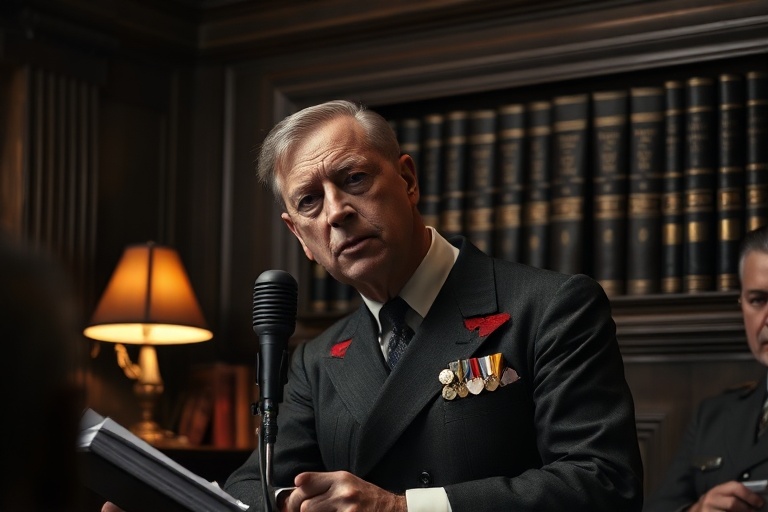
Ken Harwood: The Legend Behind the Mic in Sports Broadcasting
Ken Harwood was more than a name in the annals of sports broadcasting; he was a transformative figure whose career spanned decades, reshaping how audiences experienced live events. Born in 1929, Harwood’s journey began in the radio studios of the 1950s, where his voice became synonymous with the golden age of play-by-play commentary. His ability to blend technical precision with storytelling set him apart in an era when sports broadcasting was still finding its footing. Over the years, Harwood’s work transcended mere narration, becoming a bridge between the raw energy of competition and the intimacy of the listener’s living room.
Harwood’s career took him from local radio stations to national prominence, where he became a fixture in the homes of millions. His tenure at major networks included stints with CBS, NBC, and later, ABC, where he called games for some of the most iconic moments in sports history. Whether it was the crack of a bat in a World Series game or the swish of a net in a basketball final, Harwood’s commentary was a constant, guiding fans through the highs and lows of athletic competition. His legacy is not just in the games he called but in the way he made those moments unforgettable.
Early Career and Radio Roots
Harwood’s early career was rooted in the immediacy of radio, a medium that demanded clarity, creativity, and a deep understanding of pacing. He honed his skills in the 1950s, a time when radio was the primary source of live sports coverage. His first major break came when he was hired by a small Midwestern station, where he called high school football games before moving up to college football and eventually professional sports. The transition from local to national wasn’t instantaneous, but Harwood’s relentless work ethic and distinctive voice caught the attention of network executives.
By the late 1950s, Harwood had landed a role with CBS Radio, where he became known for his ability to convey the excitement of a game without relying on hyperbole. His commentary was marked by a calm authority, a trait that made him a trusted voice for fans. This period also saw Harwood develop a reputation for his technical expertise, particularly in the use of sound effects and ambient noise to enhance the listening experience. His innovations in radio broadcasting would later influence how sports were presented on television.
A Voice for the Big Leagues
Harwood’s move to television in the 1960s was a natural progression, but it wasn’t without challenges. The shift from radio to TV required a new set of skills, particularly in visual storytelling. Harwood adapted quickly, using his radio background to inform his TV commentary. His ability to describe action without overpowering the visuals made him a favorite among producers and viewers alike. During this time, he became closely associated with baseball, calling games for the New York Yankees and later the Chicago Cubs, where his calls became a staple of the team’s broadcasts.
One of Harwood’s most enduring contributions to sports broadcasting was his work on the World Series. His calls during the 1970s and 1980s are still cited as benchmarks for excellence in play-by-play commentary. For example, his description of Carlton Fisk’s famous walk-off home run in Game 6 of the 1975 World Series remains a masterclass in capturing the drama of a moment. Harwood’s ability to convey the tension and emotion of the game without resorting to clichés set a standard that many have tried to emulate but few have matched.
The Art of Play-by-Play Commentary
What made Ken Harwood a legend in sports broadcasting was his mastery of the craft. Play-by-play commentary is often seen as a straightforward task—describe the action, provide context, and let the audience draw their own conclusions. But Harwood understood that it was far more nuanced. He believed the best commentators didn’t just report what was happening; they created a narrative that drew listeners into the game. This approach required a deep knowledge of the sport, an ear for the rhythm of language, and an intuitive sense of when to let the moment breathe.
Harwood’s style was defined by several key principles:
- Precision: He avoided unnecessary words, focusing instead on delivering clear, concise descriptions. His calls were never cluttered, allowing the action to speak for itself.
- Context: Harwood didn’t just tell listeners what was happening; he explained why it mattered. Whether it was a strategic decision or a player’s history, he provided the background that enriched the viewing experience.
- Emotional Resonance: He had a knack for tapping into the emotional undercurrents of a game. His calls could make a routine play feel historic or a tense moment feel exhilarating.
- Adaptability: Harwood’s career spanned multiple sports and eras, from the black-and-white TV of the 1960s to the high-definition broadcasts of the 1990s. He adapted his style without ever losing his core identity.
Influence on Future Generators
Harwood’s impact on sports broadcasting extends beyond his own career. Many of today’s top commentators cite him as a major influence, particularly those who value substance over style. His emphasis on preparation and authenticity resonates in an era where commentary is often criticized for being overly dramatic or superficial. Harwood’s legacy is evident in the way modern broadcasters strive to balance analysis with storytelling, a balance he helped define.
One of Harwood’s protégés, a current sports commentator, once noted that Harwood’s greatest lesson was to “let the game breathe.” This philosophy encouraged broadcasters to trust the audience’s ability to feel the emotion of a moment without being told how to feel. It’s a lesson that continues to shape sports broadcasting today, from the local radio booth to the global stage of ESPN.
Beyond the Booth: Harwood’s Broader Impact
Ken Harwood’s contributions to sports broadcasting were not limited to his on-air work. He was also a mentor to countless broadcasters, many of whom went on to have illustrious careers of their own. His willingness to share his knowledge and his insistence on ethical standards in broadcasting left an indelible mark on the industry. Harwood was known for his professionalism, often going above and beyond to ensure that his broadcasts were not only entertaining but also respectful of the athletes and the game itself.
In addition to his mentorship, Harwood was a pioneer in the use of technology to enhance sports broadcasting. In the 1970s, he was an early advocate for the use of slow-motion replays and multiple camera angles, innovations that are now standard in live sports coverage. His forward-thinking approach helped pave the way for the multi-platform, multi-angle broadcasts that dominate the sports media landscape today.
A Lasting Legacy
Ken Harwood passed away in 2012, but his influence endures. His work is still studied in journalism schools, and his calls are revisited by fans and broadcasters alike. For those who grew up listening to his commentary, Harwood’s voice is inextricably linked to some of the most cherished moments in sports history. Whether it was the crack of a bat, the roar of a crowd, or the quiet tension of a tiebreaker, Harwood made sure every listener felt like they were part of the action.
Today, Harwood’s legacy is carried forward by a new generation of broadcasters who continue to uphold the standards he set. His emphasis on preparation, authenticity, and respect for the craft remains as relevant as ever. In an age where sports commentary is often overshadowed by analysis and punditry, Harwood’s approach—a blend of expertise, storytelling, and genuine passion—stands as a reminder of what the role of a commentator should truly be.
For those interested in exploring more about the evolution of sports broadcasting, our news section offers insights into how the field has changed over the decades. From the early days of radio to the digital age, the principles that guided Harwood’s career continue to shape the way we experience sports.
Conclusion
Ken Harwood’s career was a testament to the power of clear, compelling communication. He didn’t just call games; he created experiences that brought fans closer to the action. His legacy is a reminder that great commentary is about more than just describing what happens—it’s about making the audience feel like they’re part of the story. As sports broadcasting continues to evolve, Harwood’s principles remain a guiding light, ensuring that the art of play-by-play commentary stays rooted in authenticity and passion.