ken harwood
By Alex Rivera | Published
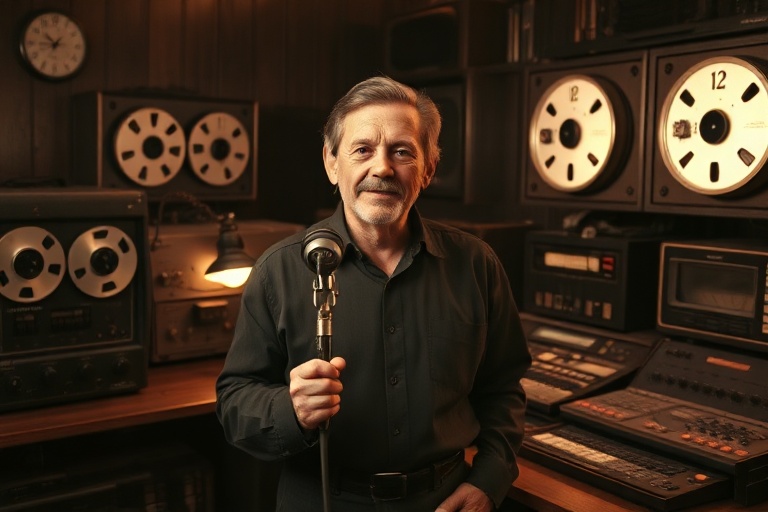
Ken Harwood’s career in sports broadcasting spans six decades, yet his influence extends far beyond the studio. As a producer, director, and innovator, Harwood shaped how millions experience sports across continents. His work behind the scenes at major networks and his role in developing live sports coverage standards redefined the industry long before streaming dominated the conversation.
Born in 1937 in Los Angeles, Harwood grew up during a time when television was transforming from a novelty into a cultural force. He entered the field in the late 1950s, just as sports were becoming the lifeblood of broadcast entertainment. His early years coincided with the rise of ABC’s Wide World of Sports, a program that brought global competition into living rooms worldwide. This era set the stage for Harwood’s lifelong mission: to make sports accessible, engaging, and visually compelling for diverse audiences.
The Evolution of Live Sports Production
Harwood’s career took off in the 1960s when he joined ABC Sports, working alongside legends like Roone Arledge. Together, they pioneered techniques that turned televised sports into a narrative-driven spectacle. Harwood wasn’t just capturing games; he was crafting stories around athletes, rivalries, and moments that transcended competition.
One of his most significant contributions came during the 1972 Munich Olympics. As the director of live coverage, Harwood faced an unprecedented challenge: balancing the thrill of athletic competition with the gravity of global events. His team implemented split-screen technology to intercut events with news updates, a radical approach at the time. This innovation laid the groundwork for how broadcasters handle live sports in tandem with real-world developments.
The 1980s and 1990s saw Harwood expand his reach into international sports. He played a pivotal role in bringing the FIFA World Cup to American audiences, helping shift perceptions of soccer as a niche sport to a mainstream phenomenon. His work on the 1994 World Cup in the U.S. was particularly transformative. By emphasizing storytelling over pure play-by-play, Harwood’s broadcasts introduced casual fans to the drama and culture surrounding the tournament.
Key Innovations in Sports Broadcasting
Harwood’s career is marked by several groundbreaking contributions:
- Narrative-Driven Coverage: He prioritized athlete backstories and cultural context, making sports feel personal and relatable.
- Multi-Camera Setups: His use of multiple angles and replays added depth to live broadcasts, enhancing viewer engagement.
- Global Collaboration: Harwood worked with international broadcasters to standardize production values, ensuring consistent quality across borders.
- Technology Integration: From slow-motion replays to real-time graphics, he leveraged emerging tech to enrich storytelling.
Cultural Impact Beyond the Broadcast
Harwood’s influence wasn’t confined to technical achievements. He understood that sports broadcasting was a cultural bridge, connecting people across languages, time zones, and political divides. During the Cold War, his coverage of events like the 1980 Moscow Olympics (for NBC) offered Western audiences a glimpse into Soviet athleticism and society, despite geopolitical tensions.
In the 1990s, as satellite and cable TV expanded, Harwood’s approach helped democratize sports access. His work on events like the Tour de France and Wimbledon made them household names in regions where they previously had limited visibility. By focusing on the human element—interviewing athletes in their native languages, highlighting local customs—he fostered a sense of shared experience among global fans.
Harwood also recognized the power of sports to challenge stereotypes. His coverage of the Paralympic Games in the 1980s and 1990s brought adaptive athleticism to mainstream audiences, helping shift perceptions of disability in sports. This commitment to inclusivity became a hallmark of his later work, influencing generations of broadcasters to prioritize diverse narratives.
Legacy and Influence on Modern Broadcasting
Today, Harwood’s principles are woven into the fabric of sports media. The rise of streaming platforms like ESPN+, DAZN, and Amazon Prime Video owes much to the foundational work he and his peers did in making sports accessible on-demand. His emphasis on storytelling persists in the era of social media, where clips and highlights are often tied to broader narratives.
Harwood retired from full-time broadcasting in the early 2000s, but his legacy lives on in the teams he mentored and the broadcasters he inspired. Many current executives in sports media cite him as a mentor, particularly for his hands-on approach to training the next generation. His 2018 memoir, Behind the Lens: A Life in Sports Broadcasting, became a surprise bestseller, offering aspiring producers a rare glimpse into the mind of a pioneer.
Even in retirement, Harwood remains active in consulting and advocacy. He has spoken at industry conferences about the future of sports media, urging broadcasters to embrace new technologies like VR and AI without losing sight of the human stories that make sports compelling. His recent work with Olympic broadcasters to develop sustainable production practices reflects his ongoing commitment to innovation with purpose.
Lessons from Harwood’s Career
For those looking to follow in his footsteps, Harwood’s career offers several key takeaways:
- Adaptability: Harwood thrived in an industry that changed rapidly, from black-and-white TV to 4K streaming. His ability to pivot kept him relevant for decades.
- Storytelling Over Spectacle: While ratings matter, Harwood always prioritized the narrative behind the game, a principle that resonates in today’s fragmented media landscape.
- Cultural Sensitivity: His work in international sports taught him that audience engagement hinges on respect for local cultures and languages.
- Mentorship: Harwood’s greatest joy, he’s said, came from nurturing young talent, proving that leadership is about lifting others as you climb.
A Lasting Influence
Ken Harwood’s contributions to sports broadcasting are often overshadowed by the athletes he showcased. Yet, without his innovations, the way we experience sports today would look entirely different. From the living room to the stadium, his work bridged gaps between cultures, technologies, and generations.
As sports media continues to evolve, Harwood’s legacy serves as a reminder of what truly matters: the stories that connect us. Whether through a grainy 1960s broadcast or a 2024 VR replay, the goal remains the same—to make the viewer feel the emotion, drama, and humanity of sport. In that sense, Ken Harwood’s vision is as alive today as it was six decades ago.
What’s your favorite moment in sports broadcasting history? Share your thoughts in the comments.