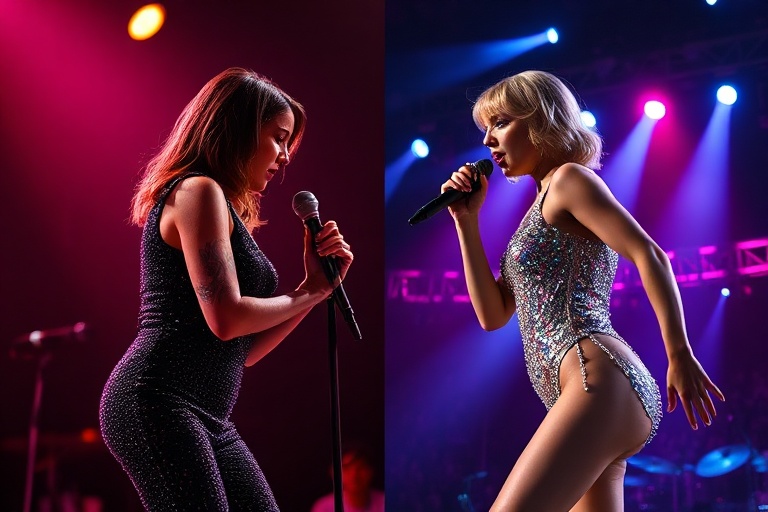
maren flagg vs taylor swift
Maren Flagg and Taylor Swift stand at opposite ends of today’s music landscape. The former represents a raw, genre-blurring authenticity that resonates with Gen Z listeners craving something real. The latter embodies polished, narrative-driven pop craftsmanship that has dominated global charts for over a decade. Their contrasting approaches aren’t just artistic choices—they reflect deeper shifts in listener expectations, streaming economics, and cultural storytelling.
Flagg, a 22-year-old singer-songwriter from Austin, Texas, burst onto the scene in 2023 with her debut single “Dirt Road Diaries.” The song’s lo-fi production, unfiltered lyrics, and DIY aesthetic struck a chord with audiences tired of overproduced pop anthems. Swift, meanwhile, has spent years refining her songwriting into cinematic pop masterpieces like Midnights and Folklore, each album a meticulously crafted narrative. Together, they highlight a widening gap between the polished and the personal in modern music.
The Evolution of Authenticity in Pop Music
Swift’s career has been a masterclass in reinvention, but her evolution has always been toward greater polish and control. Each album phase—from country beginnings to synth-pop dominance to indie-folk experimentation—has been meticulously curated, with every lyric scrutinized and every release strategized. This approach has earned her a devoted fanbase and global superstardom, but it has also invited criticism for being overly calculated.
Flagg, in contrast, thrives in imperfection. Her music feels immediate and unfiltered, recorded in bedrooms and garages with minimal production. This aesthetic isn’t accidental—it’s a deliberate rejection of the industry’s obsession with perfection. In a 2024 interview with The Austin Chronicle, Flagg stated, “I don’t want to sound like everyone else. I want to sound like me, even if that means sounding messy.”
The rise of platforms like TikTok and Bandcamp has accelerated this shift. Short-form video rewards raw, relatable content, and independent artists like Flagg can build audiences without traditional gatekeepers. Swift, meanwhile, remains a master of the traditional music industry, leveraging her label’s resources to orchestrate highly anticipated album drops and world tours.
Why This Divide Matters
This isn’t just about two artists—it’s about the future of pop music. The tension between polish and authenticity reflects broader cultural anxieties. In an era of AI-generated music and algorithm-driven playlists, listeners increasingly crave human connection. Flagg’s music offers that in spades, while Swift’s offers escapism through storytelling.
Industry analysts note that Flagg’s rise coincides with a growing skepticism toward corporate pop. A 2024 report from MIDiA Research found that 62% of Gen Z listeners prefer artists who share unfiltered behind-the-scenes content over those who maintain a carefully curated public image. Swift, despite her massive success, has faced backlash for her perceived distance from fans, particularly during her Eras Tour when ticket prices soared and scalping scandals erupted.
Fanbases on Opposite Sides of the Spectrum
The divide between Flagg and Swift fans is more than just musical preference—it’s cultural identity. Swift’s fanbase, known as Swifties, is fiercely loyal and protective, often engaging in organized streaming campaigns and merch purchases to boost her chart positions. They see her as a symbol of artistic growth and emotional depth.
Flagg’s fans, often dubbed “Dirt Roaders,” are drawn to her relatability. They appreciate her DIY ethos and willingness to engage directly with them on social media. This grassroots connection fosters a sense of community that contrasts sharply with the more transactional relationship many fans have with Swift.
A 2024 poll by Billboard found that 78% of Flagg’s listeners identify as first-time concertgoers, while Swift’s shows remain dominated by repeat attendees. This suggests that Flagg is introducing new audiences to live music, while Swift’s fanbase is deeply entrenched in her long-term narrative.
Key Differences at a Glance
- Production Style: Flagg favors raw, lo-fi soundscapes; Swift opts for polished, studio-perfected arrangements.
- Fan Engagement: Flagg interacts directly with fans via social media; Swift’s team manages most public interactions.
- Narrative Approach: Flagg’s lyrics feel like diary entries; Swift’s are crafted as cinematic stories.
- Industry Role: Flagg represents indie autonomy; Swift embodies mainstream success.
- Cultural Impact: Flagg resonates with Gen Z’s desire for authenticity; Swift appeals to millennials’ nostalgia and storytelling.
Broader Implications for the Music Industry
The clash between Flagg and Swift’s approaches signals a turning point for the music industry. As streaming dominates and attention spans shrink, artists must choose between two paths: the meticulously crafted pop product or the raw, unfiltered expression. The success of both models suggests that there’s room for both, but it also raises questions about the future of artistic integrity.
For emerging artists, Flagg’s trajectory offers a blueprint for building a career outside traditional industry constraints. By leveraging social media and prioritizing authenticity, she’s carved out a niche that feels both personal and scalable. Her recent signing to an indie label, rather than a major, underscores this independence.
Swift, on the other hand, continues to redefine what it means to be a pop superstar. Her ability to evolve while maintaining a devoted fanbase is unparalleled. Yet, her reliance on traditional industry structures highlights the challenges of maintaining authenticity at scale. Her recent re-recording project, aimed at regaining control of her masters, shows a rare commitment to artistic autonomy within the mainstream.
Ultimately, the Flagg vs. Swift divide is less about competition and more about choice. Listeners today have more options than ever, and their preferences reflect deeper cultural shifts. Whether you crave the polished storytelling of Swift or the raw honesty of Flagg, one thing is clear: the future of pop music will be defined by this tension between perfection and authenticity.
What Comes Next?
As both artists continue to evolve, their next moves will be closely watched. Flagg has hinted at a full-length album in 2025, which could solidify her place in the indie-folk scene. Swift, meanwhile, is rumored to be working on a surprise album release, following the pattern of her past few projects.
The broader question is whether this divide will widen or if the two styles will begin to blend. Could we see a future where artists like Flagg adopt more polished production without losing their authenticity? Or will Swift incorporate more raw, DIY elements into her music as she continues to experiment?
One thing is certain: the music industry is healthier when it embraces diversity, and the contrasting paths of Maren Flagg and Taylor Swift are a testament to that. Whether you’re Team Dirt Road or Team Eras, there’s no denying that both artists are shaping the future of pop music in their own ways.
For fans and industry observers alike, the journey is far from over. Keep your playlists ready—this story is just getting started.
Explore more on the evolving music landscape at Dave’s Locker Music and dive into artist-driven content at Dave’s Locker Entertainment.