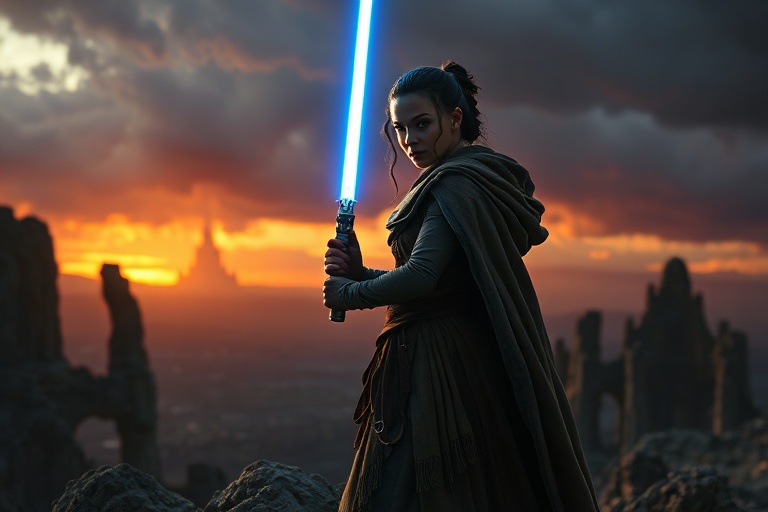
Star Wars: The Rise of Skywalker Review: Legacy, Action, and Controversy
When Star Wars: The Rise of Skywalker arrived in theaters in December 2019, it carried the weight of expectations, controversy, and the final chapter of a saga that began in 1977. Directed by J.J. Abrams, the film concluded the Skywalker trilogy—a sprawling narrative that introduced Rey, Finn, and Poe to the legacy of Luke and Leia. The movie faced intense scrutiny from fans and critics alike, yet it also delivered moments of emotional resonance and high-stakes action that defined the franchise’s identity.
The film’s narrative picks up directly after The Last Jedi, with the First Order regrouping and the Resistance on the brink of collapse. Emperor Palpatine returns in a surprising twist, forcing Rey to confront her lineage and the true cost of power. The stakes are higher than ever as the fate of the galaxy hangs in the balance, culminating in a climactic battle that reunites the entire Skywalker family—both living and dead—for one last stand.
The Return of Palpatine and the Consequences of Legacy
One of the most debated elements of The Rise of Skywalker is the resurrection of Emperor Palpatine. After his death in Return of the Jedi, the character’s return raised questions about continuity and narrative coherence. Abrams and co-writer Chris Terrio justified the decision by framing Palpatine’s return as a consequence of the dark side’s unnatural longevity—a theme explored in The Clone Wars and Rebels. His presence served as a catalyst for Rey’s internal conflict, forcing her to grapple with her identity and the burden of lineage.
The film’s exploration of legacy extends beyond Rey’s lineage to include Kylo Ren’s arc. As Ben Solo, he struggles with the expectations of his family name and the allure of the dark side. His redemption in the final moments of the film—dying in Rey’s arms while saving her—marks a poignant conclusion to his character journey. The film’s treatment of legacy is messy at times, but it ultimately reinforces the idea that individuals define their own fate, regardless of their bloodline.
Key Themes in The Rise of Skywalker
- Identity and Belonging: Rey’s journey is defined by her search for where she belongs, culminating in her decision to take the name Skywalker—a symbolic rejection of her past and embrace of her future.
- The Cost of Power: The film contrasts the destructive nature of Palpatine’s quest for dominance with the selfless heroism of the Resistance, particularly in the final battle.
- Redemption and Sacrifice: Kylo Ren’s arc highlights the possibility of change, even for those deeply entrenched in darkness.
Action and Visual Spectacle in the Final Chapter
The Rise of Skywalker delivers some of the most visually stunning sequences in the Star Wars saga. The lightsaber duel between Rey and Kylo Ren on the ruins of the Death Star is a masterclass in choreography, blending raw emotion with breathtaking combat. The film’s final battle on Exegol—where the Resistance, the Sith loyalists, and the citizens of the galaxy unite against Palpatine—is a spectacle of scale and chaos, reminiscent of the Battle of Endor but with modern CGI and stunt work.
The film also introduces new technology, such as the TIE whisper mod, which allows the First Order’s forces to coordinate attacks with unprecedented precision. However, the movie’s reliance on CGI for large-scale battles occasionally detracts from the immersive experience, a criticism leveled at Abrams’ direction in The Force Awakens as well. Despite this, the practical effects—such as the return of the Millennium Falcon and the iconic X-wing—ground the film in the franchise’s roots.
Comparisons to Other Star Wars Films
The final chapter of the Skywalker saga borrows elements from previous films while attempting to carve its own path. The space battle over Kijimi echoes the dogfights of A New Hope, while the final confrontation with Palpatine revisits the Emperor’s throne room from Return of the Jedi. However, the film’s pacing and tonal shifts—ranging from lighthearted banter to grim desperation—create a disjointed experience that some fans found jarring.
Fan Reception and Critical Response
Reception to The Rise of Skywalker was polarizing. Critics praised the film’s ambition, emotional beats, and return to the saga’s mythic roots, but many criticized its convoluted plot and reliance on nostalgia. Fans were divided, with some appreciating the film’s attempt to unify the trilogy’s disparate arcs, while others felt it undid the bold choices made in The Last Jedi. The film’s box office performance reflected this division, grossing over $1 billion worldwide but failing to meet the lofty expectations set by The Force Awakens.
Despite the mixed reception, the film’s legacy is undeniable. It provided closure to Rey’s journey, honored the sacrifices of the Resistance, and delivered a definitive end to the Skywalker saga. The emotional weight of the final scenes—where Rey buries the lightsabers of Luke and Leia and takes on their name—resonates as a fitting tribute to the franchise’s enduring themes of hope and legacy.
A Final Reflection on the Skywalker Saga
The Rise of Skywalker is not a perfect film, but it is a necessary one. It serves as the culmination of a 42-year journey, one that began with a simple question: “What if?” The Skywalker saga may have ended, but its influence on popular culture is indelible. The film’s flaws—its rushed pacing, its reliance on fan service—are outweighed by its strengths: its emotional depth, its stunning visuals, and its unwavering commitment to its characters.
For longtime fans, the film is a bittersweet farewell to a galaxy they’ve inhabited for decades. For newcomers, it offers a thrilling adventure with high stakes and heartfelt moments. Ultimately, The Rise of Skywalker is a reminder that Star Wars has always been about more than just its characters and plotlines; it’s about the ideas they represent and the emotions they evoke.
As the credits roll and the familiar fanfare plays, it’s clear that the Skywalker saga has left an indelible mark on cinema. Whether future Star Wars films can capture the same magic remains to be seen, but The Rise of Skywalker stands as a testament to the power of storytelling—and the enduring legacy of a galaxy far, far away.
For those looking to revisit the early days of the saga, Dave’s Locker offers a curated selection of classic Star Wars collectibles that capture the magic of the original trilogy. Whether you’re a collector or a casual fan, these items provide a tangible connection to the films that started it all.