Published on
The North Sea Oil Ban: A New Direction for UK Energy
The UK government’s decision to impose a ban on new oil and gas licenses in the North Sea marks a significant shift in energy policy. Announced as part of broader climate commitments, the ban reflects the country’s push toward renewable energy sources and reduced dependence on fossil fuels. This move comes amid increasing pressure to meet net-zero targets by 2050, a goal that requires drastic changes in how the UK sources and consumes energy.
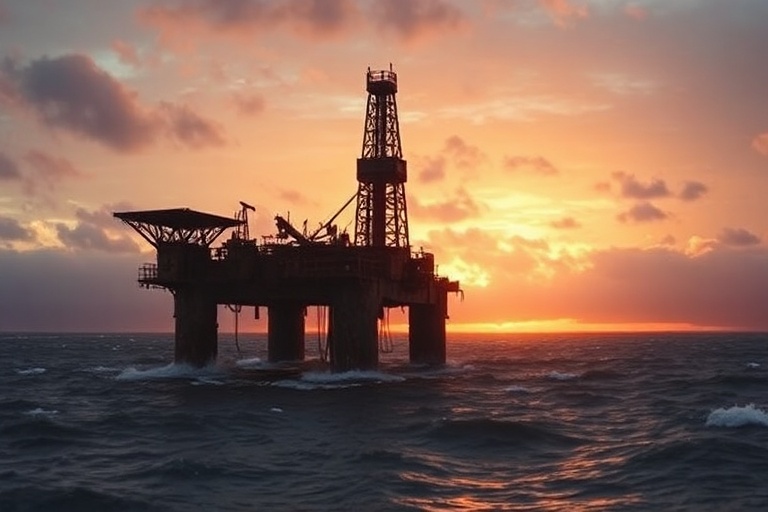
The North Sea has long been the backbone of the UK’s oil and gas industry, contributing billions to the economy and supporting thousands of jobs. However, the environmental cost of continued extraction has become a critical factor in policy decisions. The ban signals a willingness to prioritize climate goals over short-term economic gains, a balance that has proven contentious among policymakers and industry leaders alike.
Key Implications of the Ban
The implications of this ban extend far beyond the oil and gas sector. Below are some of the most significant impacts:
- Economic Impact: The North Sea oil and gas industry supports over 200,000 jobs and contributes approximately £20 billion annually to the UK economy. A ban on new licenses could disrupt this sector, leading to job losses and reduced revenue for the government.
- Energy Security: The UK relies on North Sea oil and gas for a significant portion of its energy needs. A sudden shift away from domestic production could increase dependence on imported energy, raising concerns about supply chain vulnerabilities and price volatility.
- Climate Goals: The ban aligns with the UK’s commitment to reducing carbon emissions and achieving net-zero by 2050. However, it also raises questions about the feasibility of transitioning to renewable energy without a stable domestic energy supply.
- Investment Shifts: Oil and gas companies may redirect investments toward renewable energy projects or other regions with more favorable regulatory environments. This could accelerate the growth of the UK’s green energy sector but may also lead to capital flight from traditional energy industries.
The government has stated that existing licenses will not be affected by the ban, ensuring continuity for current operations. However, the long-term effects on the industry and the broader economy remain uncertain.
The Broader Context: Why Now?
The decision to ban new North Sea oil licenses is part of a larger global trend toward decarbonization. The UK has been a leader in climate policy, with ambitious targets set out in the Climate Change Act of 2008. The ban reflects a growing consensus that the world must transition away from fossil fuels to avoid the worst impacts of climate change.
However, the timing of the ban has sparked debate. Critics argue that the UK’s energy transition should be more gradual, allowing time for the development of renewable energy infrastructure and new technologies. Supporters, on the other hand, see the ban as a necessary step to demonstrate leadership in climate action and encourage other nations to follow suit.
The ban also comes at a time of heightened geopolitical tensions, particularly in Europe, where energy security has become a top priority. The conflict in Ukraine has underscored the risks of reliance on foreign energy sources, making the UK’s domestic energy strategy all the more critical.
What’s Next for the UK Energy Sector?
The road ahead for the UK energy sector will be challenging but full of opportunities. The government has emphasized the need to invest in renewable energy sources such as wind, solar, and hydrogen. These technologies are expected to play a central role in the UK’s energy future, but their development will require significant investment and innovation.
One of the biggest challenges will be ensuring a just transition for workers in the oil and gas industry. Many of these jobs are located in regions like Scotland and the North East of England, where alternative employment opportunities may be limited. The government has pledged to support affected workers through retraining programs and other initiatives, but the success of these efforts remains to be seen.
Another critical factor will be the role of the private sector. Oil and gas companies are likely to play a key role in the energy transition, either by investing in renewable energy or by exploring new technologies such as carbon capture and storage. However, the regulatory environment will be crucial in shaping these investments and ensuring that the transition is both smooth and equitable.
Conclusion: A Balancing Act
The UK’s decision to ban new North Sea oil licenses is a bold step toward a more sustainable energy future. While the economic and social implications are complex, the move underscores the country’s commitment to climate action and its willingness to prioritize long-term goals over short-term gains.
The success of this transition will depend on careful planning, investment in renewable energy, and support for workers and communities affected by the shift. As the UK navigates this challenging landscape, the world will be watching to see whether this model can be replicated elsewhere.
For more insights into the UK’s energy policies and their broader implications, explore related content on News and Analysis pages on Dave’s Locker.