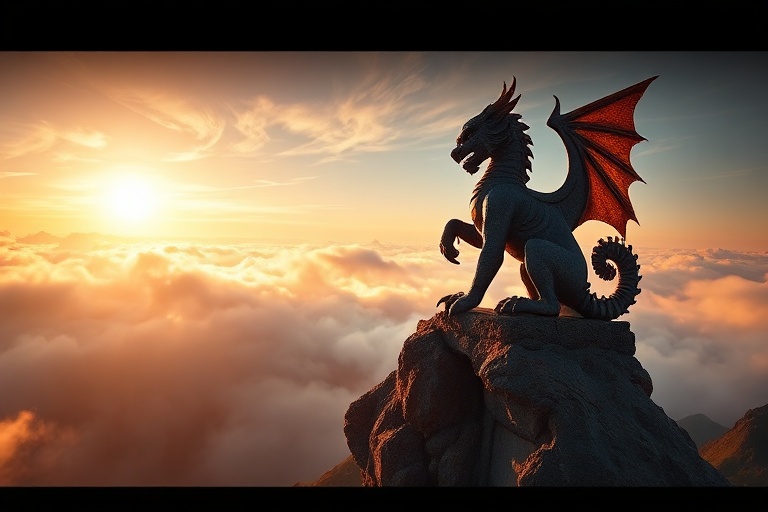
Legends are more than just stories passed down through generations. They are living testaments to human aspiration, cultural identity, and the timeless struggle between myth and reality. Whether rooted in history or woven from pure imagination, legends shape how societies view heroism, morality, and the boundaries of possibility. Today, their influence persists in unexpected ways—from modern entertainment to corporate branding—proving that the myth-making impulse remains as potent as ever.
The Anatomy of a Legend: What Makes Them Endure
Not all legends fade with time. The most enduring ones share specific traits that resonate across cultures and centuries. These narratives often begin with a kernel of truth—a real person, place, or event—before evolving into something larger through retellings, exaggerations, and symbolic embellishments. The key ingredients typically include:
- Moral Clarity: Legends often feature clear battles between good and evil, where virtue ultimately triumphs. This simplicity makes them easy to remember and repeat.
- Universal Themes: Love, betrayal, courage, and sacrifice appear in legends worldwide because they tap into fundamental human experiences.
- Archetypal Characters: Heroes, tricksters, mentors, and villains serve as templates that audiences instantly recognize and relate to.
- Symbolic Depth: Objects, locations, or rituals in legends often carry layered meanings—think Excalibur’s sword in the stone or the Holy Grail’s spiritual quest.
- Adaptability: Legends shift with each retelling, absorbing new cultural values while retaining their core essence.
Consider the legend of King Arthur. Historical records about a 5th- or 6th-century warlord have been embroidered into a tale of chivalry, magic, and doomed idealism. The sword in the stone, Merlin’s prophecies, and the Knights of the Round Table weren’t part of the original story—they were added over centuries to reflect medieval values, Renaissance humanism, and modern romanticism. Yet the legend persists because it adapts without losing its magnetic pull.
Legends in the Digital Age: From Oral Tradition to Viral Myths
The internet has democratized legend-making. Where once stories spread through campfire tales or printed books, today’s myths emerge from tweets, memes, and viral videos. Social media accelerates this process, allowing narratives to evolve in real time. Some modern legends blur the line between fiction and reality so seamlessly that they spawn entire subcultures.
Take the case of Slender Man, born from a 2009 online forum post. Within months, amateur creators had crafted a sprawling mythos around the faceless entity, complete with fan art, short films, and even a feature-length movie. Slender Man became a cultural touchstone—not because of a single authoritative source, but through collaborative storytelling. This phenomenon reflects a broader trend: in an era of information overload, legends provide structure and meaning where chaos might otherwise reign.
But digital legends aren’t limited to horror. Consider the rise of crypto legends like Satoshi Nakamoto, the pseudonymous creator of Bitcoin. The mystery surrounding Nakamoto’s identity has fueled endless speculation, conspiracy theories, and even academic papers. The legend of Bitcoin itself—promising financial revolution while evading regulation—mirrors older tales of forbidden knowledge or alchemical transformation. These modern myths aren’t just entertainment; they shape behavior, investment, and even policy.
Why Legends Still Matter in a Skeptical World
In an age dominated by data and skepticism, legends might seem like relics of a superstitious past. Yet their persistence reveals something profound about human psychology. Legends fulfill psychological and social needs that facts alone cannot:
- Providing Hope: Legends often feature underdogs triumphing against impossible odds. In a world of climate crises and political instability, these stories offer emotional reassurance.
- Explaining the Unexplainable: Before science provided answers, legends filled gaps—explaining natural phenomena, human origins, and the afterlife. Today, they tackle modern mysteries like UFOs or AI consciousness.
- Strengthening Community: Shared legends create shared identities. National myths like America’s “city upon a hill” or Japan’s Yamato spirit bind people together, for better or worse.
- Encouraging Critical Thinking: The best legends invite interpretation. Parables and fables force audiences to question, debate, and draw their own conclusions.
There’s also a commercial dimension to modern legends. Brands leverage mythic storytelling to create emotional connections with consumers. Nike’s “Just Do It” campaign, for instance, taps into the hero’s journey archetype, positioning athletes as modern-day legends. Even product launches now resemble mythic quests, with teasers, hidden clues, and fan theories driving anticipation. In this context, legends aren’t just cultural artifacts—they’re marketing tools.
The Dark Side of Legends: When Myths Become Dangerous
Legends aren’t inherently benign. Their power to inspire can also mislead, divide, or even destroy. Historical legends often serve political agendas, justifying wars or oppression. The myth of Aryan racial superiority fueled Nazi ideology, while America’s “manifest destiny” legend justified westward expansion and the displacement of Indigenous peoples. These examples show how legends can harden into dogma when stripped of their nuance.
Even in less extreme cases, legends can distort reality. The legend of the “self-made man” in American culture, for instance, ignores systemic inequalities while glorifying individualism. This narrative can create unrealistic expectations, leaving people feeling like failures when they inevitably fall short. Similarly, conspiracy theories—modern legends in all but name—can erode trust in institutions, spread misinformation, and incite violence, as seen in events like the January 6 Capitol riot.
Recognizing the dual nature of legends is crucial. They can elevate or manipulate, unite or divide. The challenge lies in distinguishing between myths that inspire progress and those that perpetuate harm. Media literacy and critical thinking serve as the modern equivalents of the ancient storytellers who once guided communities through the moral complexities of their legends.
Conclusion: The Future of Legends in a Connected World
Legends have survived for millennia because they address timeless questions: What does it mean to be brave? How should we face adversity? What lies beyond the known? In an increasingly interconnected yet fragmented world, their role is more vital than ever. They remind us of our shared humanity while allowing space for individual interpretation.
As technology evolves, so too will the forms legends take. Virtual reality could birth entirely new mythologies, while artificial intelligence might generate stories tailored to individual psyches. Yet the core function of legends will remain unchanged: to help us make sense of a complex world through narrative. Whether through ancient scrolls or viral TikTok stories, the human impulse to create and consume legends is as alive today as it was in the caves of Lascaux.
The next time you encounter a story that feels too grand—or too strange—to be true, pause and consider: it might be a legend in the making. And that’s a power worth respecting.
Explore more on this topic at Dave’s Locker Entertainment or dive into the cultural impact of modern myths at Dave’s Locker Culture.