Tenerife: A Global Crossroads of Nature, Culture, and Innovation
Tenerife: A Crossroads of Culture, Nature, and Global Influence
The largest of Spain’s Canary Islands, Tenerife is more than just a sun-soaked vacation spot. It’s a living mosaic where volcanic landscapes meet cosmopolitan cities, where colonial history intertwines with cutting-edge science, and where the rhythms of Latin America echo through local festivals. With over 5 million visitors annually, the island has long been a magnet for travelers, but its significance stretches far beyond tourism.
Strategically positioned off the northwest coast of Africa, Tenerife sits at a cultural and geographical crossroads. The island’s identity has been shaped by indigenous Guanche heritage, Spanish colonization, African migrations, and European tourism. This blend has created a unique society where traditional Canarian customs coexist with global influences. From the UNESCO-listed old town of La Laguna to the futuristic skyline of Santa Cruz, Tenerife reflects the dynamic forces of globalization.
The Volcanic Heart: Nature as a Global Symbol
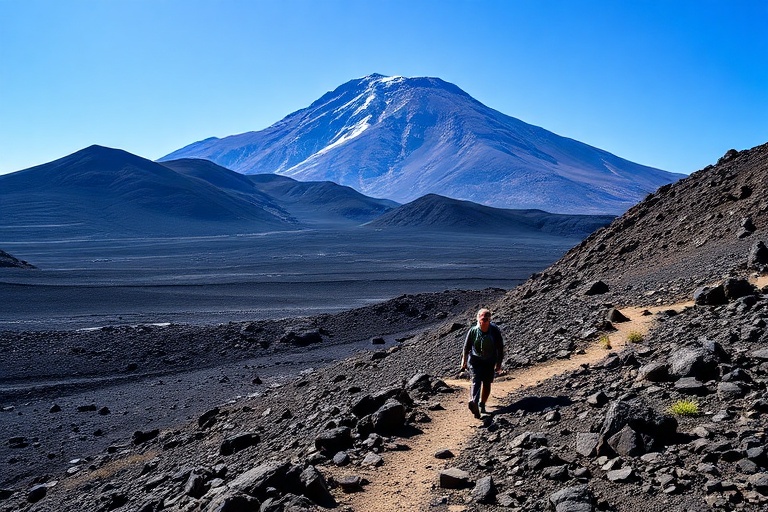
At the core of Tenerife’s identity is Mount Teide, a dormant volcano and Spain’s highest peak. Rising 3,718 meters above sea level, Teide is not just a natural wonder—it’s a geological icon. Designated a UNESCO World Heritage Site in 2007, the Teide National Park is one of the most visited national parks in Europe. Its lunar-like terrain has served as a training ground for astronauts, a filming location for science fiction movies, and a subject of study for planetary scientists.
The volcano’s presence influences every aspect of life on the island. It shapes the climate, from the arid southern coasts to the lush laurel forests in the north. It also dictates the island’s flora and fauna, many of which are endemic species found nowhere else in the world. Teide’s unique environment has drawn international researchers, making Tenerife a hub for astrophysics and environmental science. The Instituto de Astrofísica de Canarias, based on the island, operates some of the world’s most advanced telescopes, collaborating with institutions from across the globe.
Yet Teide is more than a scientific marvel. It holds deep spiritual significance for the Guanche people, the original inhabitants of the Canary Islands. According to Guanche mythology, Teide was the gateway to the afterlife. Today, the volcano remains a symbol of resilience, surviving catastrophic eruptions and emerging as a beacon of natural beauty and cultural heritage.
A Cultural Melting Pot: From Guanches to Global Citizens
Tenerife’s cultural landscape is a testament to its layered history. The island’s original inhabitants, the Guanches, arrived from North Africa around 1000 BCE. Their society was organized into clans, and they left behind a rich legacy of cave dwellings, pottery, and mummification practices. Though the Guanches were largely assimilated after the Spanish conquest in the 15th century, their influence persists in place names, agricultural techniques, and local traditions.
The Spanish colonization brought new languages, religions, and architectural styles. The island became a key stopover for ships traveling between Europe and the Americas, fostering a blend of cultures. African slaves, Latin American traders, and European settlers all left their mark. This historical convergence is evident in Tenerife’s festivals, cuisine, and music. The Carnaval de Santa Cruz de Tenerife, one of the largest and most vibrant carnivals in the world, is a dazzling display of this cultural fusion. With its African rhythms, Spanish flair, and international participants, the carnival attracts over 250,000 visitors each year.
Tenerife’s cultural diversity extends to its contemporary arts scene. The island is home to the Tenerife International Film Festival, which showcases independent and international cinema. Local artists draw inspiration from the island’s landscapes and multicultural heritage, creating works that resonate globally. Meanwhile, the island’s literary tradition, rooted in the works of authors like José de Viera y Clavijo, continues to evolve, with modern writers exploring themes of migration and identity.
Economy and Innovation: Balancing Tradition and Progress
Tenerife’s economy has traditionally relied on tourism, agriculture, and fishing. The island’s mild climate and fertile soil have made it a leading producer of bananas, tomatoes, and wine. However, in recent decades, Tenerife has sought to diversify its economic base, investing in technology, renewable energy, and education. The island’s Technological and Renewable Energy Park is a prime example of this shift, housing companies and startups focused on sustainability and innovation.
The government of the Canary Islands has prioritized renewable energy, aiming to make Tenerife a model for green development. With abundant sunlight and wind resources, the island is well-positioned to harness solar and wind power. Projects like the Gorona del Viento hydro-wind plant on El Hierro, a neighboring island, have demonstrated the potential of hybrid renewable energy systems. Tenerife is also exploring desalination technologies to address water scarcity, a growing concern in the era of climate change.
Despite these advancements, challenges remain. Overtourism in peak seasons has strained infrastructure and local communities. The COVID-19 pandemic exposed the island’s vulnerability to global disruptions, prompting calls for more sustainable tourism models. Efforts are underway to promote year-round tourism, attract digital nomads, and develop niche markets like wellness retreats and adventure sports.
Tenerife on the Global Stage: Diplomacy and Soft Power
Tenerife’s strategic location and cultural vibrancy have made it a player on the global stage. The island hosts international conferences, including the annual Tenerife International Jazz Festival and the Atlantic Islands Summit, which brings together leaders from Europe, Africa, and the Americas. These events highlight Tenerife’s role as a bridge between continents, fostering dialogue and collaboration.
The island’s soft power is also evident in its diplomatic ties. Tenerife maintains sister city relationships with cities across the globe, from San Antonio in the United States to Veracruz in Mexico. These partnerships facilitate cultural exchanges, trade, and tourism. Additionally, Tenerife’s status as a free port has made it a hub for international trade, particularly in goods moving between Europe, Africa, and Latin America.
In recent years, Tenerife has also become a destination for medical tourism. Its advanced healthcare system, combined with affordable prices, attracts patients from Europe and beyond. The island’s reputation for wellness and longevity is bolstered by its Mediterranean diet, clean air, and outdoor lifestyle.
A Model for the Future?
Tenerife’s ability to adapt and thrive in a rapidly changing world offers lessons for other regions. Its success in balancing tourism with environmental conservation, tradition with innovation, and local identity with global engagement is a case study in sustainable development. Yet, the island’s future is not without challenges. Climate change, economic inequality, and the need to preserve cultural heritage are pressing concerns.
As the world becomes increasingly interconnected, places like Tenerife will play a crucial role in shaping global narratives. Whether through its scientific contributions, cultural exports, or diplomatic efforts, the island continues to redefine itself. For visitors and locals alike, Tenerife remains a place of discovery—a small island with a global impact.
What to Experience in Tenerife
For those looking to explore beyond the resorts, Tenerife offers a wealth of experiences:
- Hike Mount Teide: Take the cable car to the summit for breathtaking views of the island and the Atlantic Ocean.
- Explore La Laguna: Wander through the historic university town, a UNESCO World Heritage Site, to admire colonial architecture and vibrant street art.
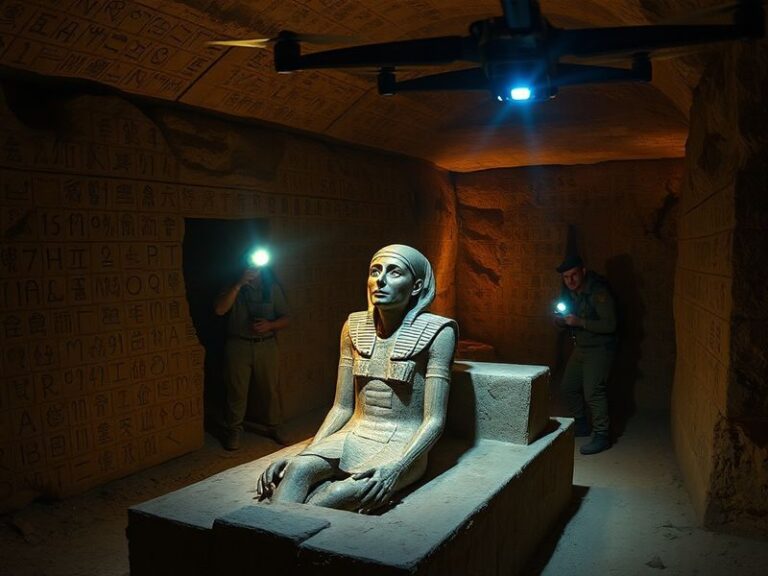
- Visit the Pyramids of Güímar: Discover these mysterious stepped structures, which some believe are linked to ancient Egyptian or Guanche traditions.
- Taste the local cuisine: Try papas arrugadas (wrinkled potatoes) with mojo sauce, fresh seafood, and local wines from the Tacoronte-Acentejo region.
- Attend a local fiesta: Experience the island’s lively festivals, such as the Fiesta de la Virgen de Candelaria, honoring the patron saint of the Canary Islands.
Tenerife is more than a destination—it’s a dynamic entity that continues to evolve while honoring its past. As the world seeks sustainable and culturally rich models, the island stands as a testament to the power of place in a globalized era.