Salvador: Brazil’s Afro-Brazilian Cultural Capital Explored
Salvador: A City of Contrasts and Cultural Riches
Nestled on Brazil’s northeastern coast, Salvador is a city where colonial grandeur meets Afro-Brazilian vibrancy. Known as the first capital of Brazil, its cobblestone streets and towering churches tell stories of Portuguese conquest, while its music, dance, and cuisine echo the resilience of enslaved Africans. This duality defines Salvador, making it one of Latin America’s most culturally significant urban centers.
The Historical Tapestry of Salvador
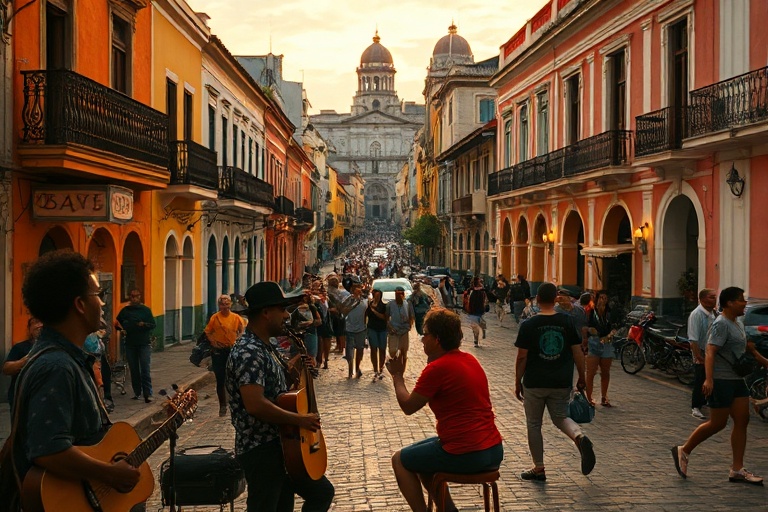
Founded in 1549 by Portuguese settlers, Salvador quickly became a hub of the transatlantic slave trade. The city’s Pelourinho district, now a UNESCO World Heritage Site, was once the center of this brutal commerce. Today, its colorful colonial buildings house art galleries, museums, and cafés, serving as a reminder of both oppression and cultural survival.
The influence of African heritage is impossible to ignore. Over 80% of Salvador’s population identifies as Afro-Brazilian, a legacy of the estimated 1.5 million enslaved Africans brought to the region. This history is celebrated in festivals like Carnaval, where Afro-Brazilian rhythms like samba-reggae dominate the streets.
Salvador’s past is also marked by resistance. The Malê Revolt of 1835, led by Muslim enslaved people, remains one of Brazil’s most significant slave rebellions. Though often overshadowed by narratives of colonial triumph, such events are central to understanding the city’s identity.
The Cultural Heartbeat: Music, Dance, and Faith
Music pulses through Salvador’s veins. The city is the birthplace of axé music, a genre blending Afro-Caribbean rhythms with pop melodies. Groups like Ilê Aiyê and Olodum have turned Salvador into a global ambassador for Afro-Brazilian culture, their drumbeats echoing in festivals worldwide.
Capoeira, the martial art disguised as dance, also thrives here. Originating among enslaved Africans, it was a covert way to preserve culture and resist oppression. Today, Salvador’s Pelourinho square is a training ground for capoeiristas, where tourists and locals alike gather to watch or join in.
Religion adds another layer to Salvador’s cultural fabric. Candomblé, a syncretic faith blending Yoruba traditions with Catholicism, is practiced openly. The city’s terreiros (sacred spaces) host vibrant ceremonies, where drummers, dancers, and priests honor orixás (deities). While Catholicism remains dominant, Candomblé’s visibility challenges Brazil’s often unspoken racial hierarchies.
- Carnaval de Salvador: A five-day extravaganza featuring trios elétricos (mobile sound trucks) and over 2 million attendees.
- Festa de Yemanjá: A February festival honoring the Yoruba goddess of the sea, where devotees offer flowers and gifts to the ocean.
- Lavagem do Bonfim: A January tradition where devotees wash the steps of Bonfim Church, blending Catholic and Afro-Brazilian rituals.
Beyond the Stereotypes: Modern Salvador
While tourism often focuses on Salvador’s historic center or beachfronts like Porto da Barra, the city’s modern realities are more complex. Like many global urban centers, it grapples with inequality. The favelas (informal settlements) contrast sharply with the wealthier neighborhoods of Barra and Rio Vermelho, highlighting Brazil’s stark social divides.
Economically, Salvador is a powerhouse. Its port is one of Latin America’s busiest, and industries like petrochemicals and tourism drive growth. Yet, unemployment remains high, and access to education and healthcare is uneven. Initiatives like the Bahia Social Program aim to address these gaps, though challenges persist.
The city’s culinary scene reflects its diversity. Moqueca, a coconut milk-based seafood stew, and acarajé, a deep-fried black-eyed pea fritter, are must-tries. These dishes, born from African and Indigenous traditions, are now protected as part of Brazil’s intangible cultural heritage.
Salvador’s Global Influence
Salvador’s cultural exports extend far beyond Brazil. Its music has inspired artists from samba legend Gilberto Gil to international pop stars. The city’s Pelourinho School of Music trains young musicians, ensuring traditions like capoeira and samba continue to evolve.
Film and literature also draw from Salvador’s rich tapestry. Directors like Glauber Rocha used the city as a backdrop for Brazil’s Cinema Novo movement, critiquing social inequality through stark visuals. Writers such as Jorge Amado immortalized Salvador’s streets and characters in novels like Dona Flor and Her Two Husbands.
Even fashion reflects Salvador’s global reach. Designers like Ronaldo Fraga blend Afro-Brazilian aesthetics with contemporary styles, showcasing the city’s creative energy on international runways.
A City of Resilience and Reinvention
Salvador’s story is one of survival and reinvention. From its colonial past to its Afro-centric present, the city challenges simplistic narratives about Brazil. It is not just a tourist destination but a living testament to the power of culture to resist and thrive.
For visitors, Salvador offers more than postcard-perfect views. It invites engagement with history, music, and spirituality—experiences that linger long after departure. For Brazilians, it is a symbol of identity, a place where the past and present collide in vibrant color and sound.
In an era where global cities often homogenize, Salvador stands apart. It refuses to be a mere backdrop for colonial nostalgia or a passive recipient of modernity. Instead, it asserts its voice, demanding to be seen on its own terms.