Why Muntjac Meat is Appearing in Marks & Spencer Stores
Muntjac at Marks & Spencer: A Quiet Revolution in British Supermarkets
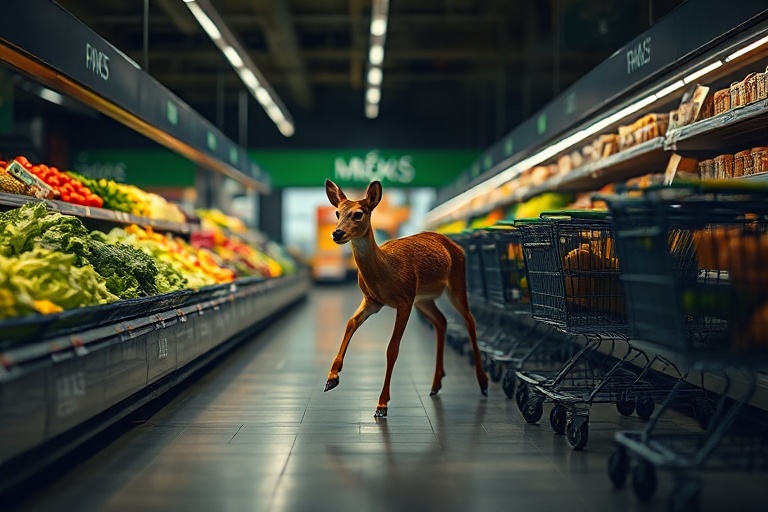
In the quiet corners of Marks & Spencer (M&S) food halls, a small but significant change has taken root. The supermarket chain has quietly introduced muntjac deer meat into its product range, a move that reflects broader shifts in British food culture. This isn’t just another exotic protein on the shelf—it’s a reflection of changing consumer tastes, sustainability concerns, and the slow normalization of once-unfamiliar meats in mainstream retail.
The muntjac, a small deer native to Southeast Asia, has found an unlikely new home in the UK. While it has been hunted in Britain for decades as an invasive species, its journey from field to fork has been gradual. M&S’s decision to stock muntjac meat signals a turning point, blending culinary novelty with practicality. The meat, lean and gamey, offers a sustainable alternative to traditional red meats, aligning with the growing demand for ethically sourced and environmentally friendly proteins.
The Rise of Alternative Meats in British Supermarkets
M&S is not alone in experimenting with unconventional meats. The supermarket sector has seen a surge in alternative proteins, from venison to ostrich, as consumers seek healthier and more sustainable options. This trend is part of a larger global movement, where traditional meat consumption is being reassessed in favor of lower-impact alternatives.
Several factors are driving this shift:
- Sustainability concerns: Traditional livestock farming contributes significantly to greenhouse gas emissions. Muntjac, as a wild and fast-reproducing species, has a lower environmental footprint.
- Health trends: Game meats like muntjac are leaner than beef or pork, with higher protein and lower fat content. They also lack the hormones and antibiotics often found in intensively farmed meats.
- Culinary curiosity: British palates are expanding, influenced by global food trends and a desire for unique dining experiences. Exotic meats are no longer confined to specialty butchers or high-end restaurants.
M&S’s adoption of muntjac meat is a calculated response to these trends. The retailer has positioned itself as a leader in sustainable food, and introducing muntjac aligns with its commitment to reducing its carbon footprint. By offering muntjac, M&S is not just selling a product—it’s selling a narrative of responsible consumption.
From Pest Control to Plate: The Muntjac’s Controversial Journey
The muntjac’s presence in the UK is itself a story of ecological disruption. Native to China and India, the species was introduced to Britain in the 19th century as an ornamental animal in private collections. Escaped or released individuals established wild populations, and by the mid-20th century, muntjac had spread across England and Wales. Today, they are considered an invasive species, with a population estimated at over 200,000.
For decades, muntjac were seen primarily as a nuisance—culprits of garden destruction and forest undergrowth depletion. Wildlife managers and hunters viewed them as pests, culling them to protect native ecosystems. However, as attitudes toward invasive species have evolved, so too has the conversation around their culinary potential. Instead of eradication, some conservationists now advocate for sustainable harvesting, turning a problem into a resource.
M&S’s decision to sell muntjac meat has sparked debate. Critics argue that promoting the consumption of an invasive species could undermine conservation efforts by reducing the incentive to control their populations. Others counter that muntjac numbers are already too high to manage through culling alone, making sustainable harvesting a pragmatic solution. The supermarket chain has positioned itself firmly on the latter side of the argument, framing muntjac meat as a win-win for both consumers and the environment.
Cultural Shifts: How Exotic Meats Are Entering the Mainstream
The introduction of muntjac meat at M&S is part of a broader cultural shift in how Britons view food. Historically, British cuisine has been conservative, favoring familiar proteins like beef, lamb, and chicken. However, globalization, immigration, and the rise of food media have expanded culinary horizons. Dishes like kangaroo steaks, ostrich burgers, and even alligator nuggets are no longer novelties but increasingly common in supermarkets and restaurants.
This shift is not unique to the UK. In the United States, bison and venison have gained popularity as leaner alternatives to beef. In Australia, kangaroo meat is marketed as a sustainable protein, while in Europe, wild boar and deer are regularly featured in high-street menus. The muntjac’s arrival at M&S is a microcosm of this global trend—a quiet but unmistakable move toward diversification in protein consumption.
Yet, the muntjac’s journey is distinct in its ethical and ecological dimensions. Unlike farmed exotic meats, muntjac are wild-harvested, and their consumption directly impacts population control. This raises questions about the role of supermarkets in shaping food policy. By normalizing muntjac meat, M&S is not just selling a product; it’s influencing public perception and potentially shaping future wildlife management strategies.
The Future of Muntjac and Alternative Proteins in Retail
As M&S continues to expand its muntjac offerings, the move could pave the way for other alternative proteins in mainstream retail. The success of muntjac will likely depend on several factors:
- Consumer acceptance: Will shoppers embrace muntjac, or will it remain a niche curiosity? Early indications suggest cautious interest, but broader adoption will require education and marketing.
- Supply chain stability: Wild-harvested meats are subject to seasonal and environmental fluctuations. Ensuring a consistent supply will be key to maintaining consumer trust.
- Regulatory and ethical considerations: As more exotic meats enter the market, regulators and retailers will need to establish clear guidelines for sourcing, labeling, and sustainability.
- Culinary innovation: Chefs and food manufacturers will play a crucial role in popularizing muntjac through creative recipes and product development.
M&S’s experiment with muntjac meat is a small but meaningful step in the evolution of British food culture. It reflects a broader reckoning with how we source, consume, and think about meat. While the muntjac may never replace chicken or beef on British dinner tables, its presence in M&S stores is a testament to the changing tides of consumer behavior and the supermarket’s role in shaping those trends.
A Quiet Revolution on the Shelves
For now, the muntjac remains a curiosity in the aisles of M&S, a conversation starter rather than a staple. But its introduction is a signal of things to come. As climate change, ethical concerns, and culinary curiosity continue to reshape food systems, supermarkets will play an increasingly important role in guiding consumer choices. M&S’s muntjac is more than just a new product—it’s a glimpse into the future of food.
Whether this future will be dominated by lab-grown meats, plant-based alternatives, or a return to wild and gamey proteins remains to be seen. What is clear, however, is that the muntjac’s journey from pest to plate is a story that will only grow louder in the years to come.