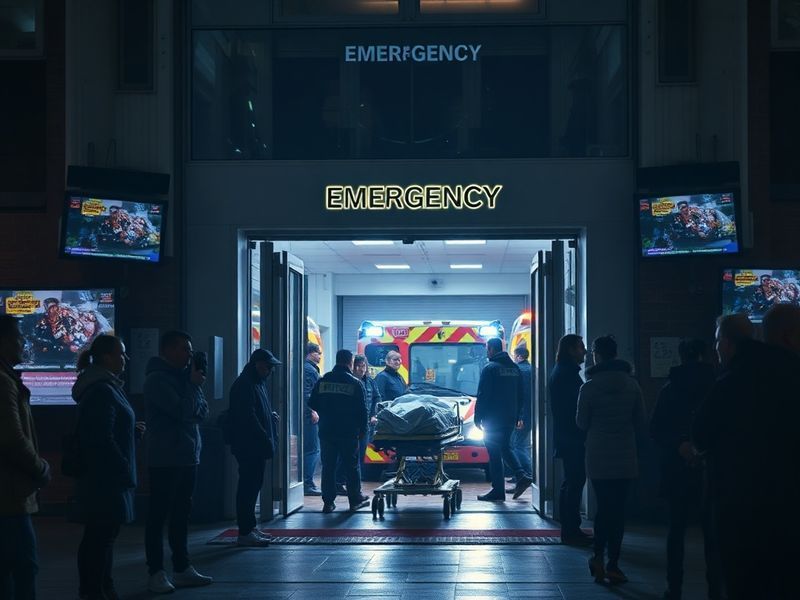
Casualty: A BBC Drama That Bridges Generations and Cultures
For over three decades, Casualty has remained a cornerstone of British television, blending medical urgency with human drama. Since its debut in 1986, the long-running BBC series has not only entertained millions but also reflected societal shifts, healthcare challenges, and cultural conversations. Unlike many procedural dramas, Casualty has consistently evolved, adapting its storytelling to resonate with global audiences while maintaining its British identity.
The show’s enduring appeal lies in its ability to balance fast-paced emergency room action with deeply personal narratives. Set in the fictional Holby City Hospital, Casualty explores the lives of doctors, nurses, and patients, often tackling real-world issues such as mental health, systemic healthcare failures, and social inequalities. Its global reach is evident in streaming numbers and fan discussions, proving that medical dramas transcend borders.
The Evolution of a British Institution
Casualty began as a reaction to the success of American medical dramas like ER, aiming to create a distinctly British counterpart. Over the years, it has expanded its scope, incorporating story arcs that address contemporary crises, from the opioid epidemic to the COVID-19 pandemic. The show’s longevity is a testament to its willingness to confront uncomfortable truths while still delivering gripping entertainment.
A key factor in its success is the show’s rotating cast, which allows new generations of actors to leave their mark. Characters like Duffy (played by Cathy Shipton) and Charlie Fairhead (Derek Thompson) became household names, embodying the show’s blend of professionalism and humanity. Today, the series continues to introduce fresh talent while honoring its legacy.
Global Reach and Cultural Impact
While Casualty is a British production, its influence extends far beyond the UK. Internationally, the show has found a dedicated audience through platforms like BBC iPlayer and global streaming services. Its themes—such as the strain on public healthcare systems—resonate in countries with similar struggles, from Canada to Australia.
The show’s cultural impact is also evident in its portrayal of diversity. Casualty has featured storylines centered on LGBTQ+ rights, racial discrimination, and disability, reflecting real-world movements like Black Lives Matter and Pride. These narratives have sparked discussions in online forums and academic circles, cementing the show’s role as more than just entertainment.
In some regions, Casualty has even inspired local adaptations. For example, in India, the format of medical dramas has been influenced by Western models, though local productions often emphasize different cultural priorities. The BBC’s original series remains a benchmark for how television can merge entertainment with social commentary.
Behind the Scenes: Crafting a Medical Drama
Creating Casualty requires meticulous attention to detail. The production team collaborates closely with medical advisors to ensure accuracy, from emergency room procedures to the emotional toll on healthcare workers. This commitment to realism enhances the show’s credibility and deepens audience engagement.
The filming process itself is a logistical challenge. The set at BBC’s Roath Lock studios in Cardiff is designed to replicate a bustling hospital, complete with functional ambulances and a fully equipped emergency department. Writers often draw from real-life cases, though they take creative liberties to heighten drama. This balance between authenticity and storytelling is what keeps viewers invested.
Another critical aspect is the show’s music and cinematography. The theme song, composed by Nigel Hess, is instantly recognizable, evoking a sense of urgency and compassion. Meanwhile, the camera work in high-stakes scenes—such as a mass casualty event—uses tight close-ups and quick cuts to immerse the audience in the chaos.
Why Casualty Matters Today
In an era where healthcare systems worldwide face unprecedented pressure, Casualty serves as both a mirror and a warning. Episodes often highlight the consequences of underfunding, staff shortages, and bureaucratic inefficiencies, offering a fictional yet relatable critique of real-world systems. This aspect of the show has drawn praise from healthcare professionals and policymakers alike.
The series also continues to innovate. Recent seasons have introduced storylines involving climate change, digital healthcare, and the ethical dilemmas of AI in medicine. These updates ensure that Casualty remains relevant, appealing to younger viewers while retaining its traditional fanbase.
For aspiring writers and actors, Casualty is a proving ground. The show has launched the careers of many, including entertainment industry veterans like George Rainsford (who played Ethan Hardy) and Amanda Mealing (Connie Beauchamp). Its influence extends to behind-the-scenes roles as well, with crew members often transitioning to major film and television projects.
The Future of Casualty
As Casualty approaches its 38th season, its future looks secure. The BBC has renewed the series multiple times, recognizing its cultural and commercial value. Fans can expect more high-stakes emergencies, emotional character arcs, and timely social commentary in the years to come.
One area of growth is international co-productions. The BBC has experimented with global collaborations, such as filming segments abroad to add authenticity to certain storylines. This approach could expand the show’s reach even further, attracting viewers who crave diverse perspectives in medical dramas.
Technology will also play a role in the show’s evolution. Virtual reality and interactive episodes are potential avenues for engaging audiences in new ways. Imagine viewers voting on a patient’s treatment path or experiencing a surgical procedure from a first-person perspective. Such innovations could redefine how medical dramas are consumed.
Conclusion: A Legacy That Endures
Casualty is more than just a TV show—it’s a cultural touchstone. Its ability to adapt while staying true to its roots has allowed it to thrive in an ever-changing media landscape. From its early days as a British response to American medical dramas to its current status as a global phenomenon, Casualty has proven that storytelling, when done right, can transcend borders and generations.
As healthcare systems continue to evolve and societal challenges grow more complex, the show’s role as a storyteller and critic becomes even more vital. Whether you’re a longtime fan or a newcomer, Casualty offers a compelling blend of drama, realism, and heart—making it a series worth watching, discussing, and celebrating.