Al-Nassr vs Gamba Osaka: A Clash of Continents and Cultures
The Saudi Pro League has evolved into a global stage, drawing elite talent and attention from every corner of the football world. When Al-Nassr faced Gamba Osaka in a high-profile friendly, it wasn’t just a match—it was a collision of football philosophies, cultural influences, and sporting ambitions. The game, held under floodlights in Riyadh, offered more than goals and tactics; it provided a snapshot of how football is reshaping identities across continents.
This fixture carried significance beyond the pitch. For Al-Nassr, a club with deep roots in Saudi society, it was an opportunity to showcase their growing stature in Asian football. Gamba Osaka, a historic Japanese club with a legacy of nurturing talent and playing attractive football, brought a contrasting style that emphasized rhythm, technique, and teamwork. The match became a dialogue between two football cultures: one driven by ambition and investment, the other by tradition and resilience.
The Globalization of Football and Its Local Roots
Football’s global expansion has created a paradox: while clubs increasingly rely on international players and coaches, their identities remain deeply tied to their local communities. Al-Nassr, founded in 1955 in Riyadh, reflects Saudi Arabia’s rapid transformation. Once a club rooted in local pride, it now hosts stars like Cristiano Ronaldo and Sadio Mané, symbolizing the nation’s push to become a global sporting hub. The match against Gamba Osaka was part of that vision—a chance to test Saudi football’s mettle against a respected Asian opponent.
Gamba Osaka, meanwhile, represents the Japanese football ethos: disciplined, collective, and built on youth development. The club’s mascot, a cheerful gamba (shrimp), embodies its playful yet determined approach. Founded in 1980, Gamba has long been a bridge between Japan’s domestic league and international competition. Their participation in the match underscored Japan’s ongoing effort to elevate its football culture while maintaining its unique identity in a globalized sport.
Tactical Showdown: Speed vs. Structure
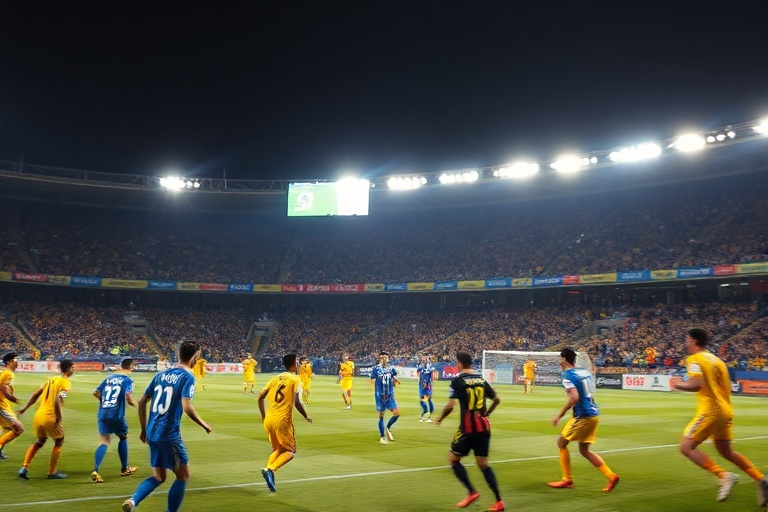
The tactical battle was clear from the opening whistle. Al-Nassr, playing in a 4-3-3 formation, relied on quick transitions and individual brilliance. Their front three, featuring Ronaldo’s movement and wing play, stretched Gamba’s defense and forced errors. The Saudi side’s high pressing and direct style mirrored trends seen in European leagues, reflecting the influence of coaches like Luis Castro, who emphasizes intensity and verticality.
Gamba Osaka countered with a 4-2-3-1 setup, prioritizing possession and patient buildup. Their midfield duo shielded the defense while distributing the ball to creative players like Shota Fujio and Tsukasa Umesaki. The Japanese team’s ability to retain possession and exploit half-spaces highlighted a contrast in football philosophies. While Al-Nassr thrived on chaos and counterattacks, Gamba excelled in structured, possession-based football—a reflection of Japan’s broader cultural approach to efficiency and harmony.
In the end, the match ended in a 2-2 draw, with both teams showing flashes of quality. Al-Nassr’s Ronaldo and Gamba’s Umesaki found the net, but the real story was the clash of styles and the mutual respect between the sides.
Cultural Exchange Beyond the Final Score
Matches like Al-Nassr vs Gamba Osaka are more than sporting events; they are cultural exchanges. The Saudi team’s multicultural lineup—featuring players from Brazil, Portugal, Senegal, and beyond—mirrored the nation’s evolving demographics. Football, in this context, becomes a tool for soft power, showcasing openness and ambition.
For Gamba Osaka, the trip to Saudi Arabia was an opportunity to expand their global footprint. Japanese football has long looked to Europe and South America for inspiration, but partnerships with clubs in the Middle East and Asia are becoming increasingly important. The match highlighted the potential for football to foster connections across borders, whether through pre-season tours, academies, or digital fan engagement.
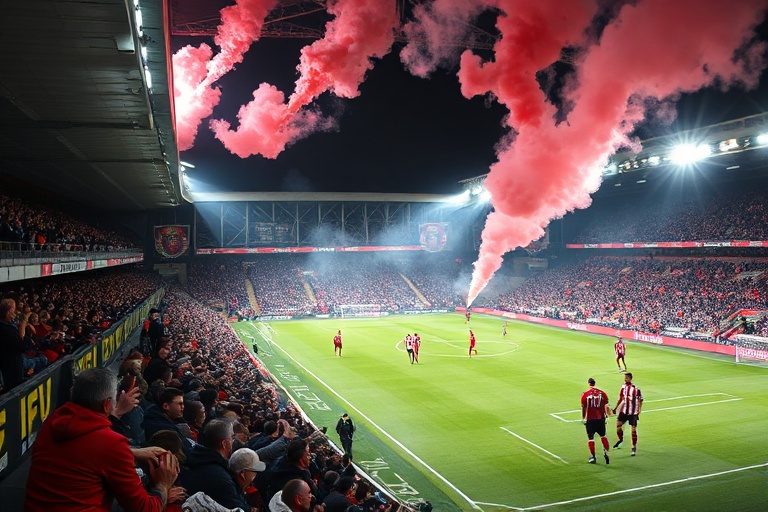
Off the pitch, the cultural exchange extended to the stands. Saudi fans, known for their passion, brought an electric atmosphere to the stadium. Meanwhile, Gamba’s traveling supporters added a touch of Japanese hospitality, blending chants and cheers in a display of unity. The match became a microcosm of football’s unifying power—a reminder that, despite differences in style and strategy, the game remains a universal language.
What’s Next for Both Clubs?
For Al-Nassr, the focus remains on strengthening their squad and competing at the highest level in Asia. The Saudi Pro League’s recent investments have raised the bar, and clubs like Al-Nassr are now expected to challenge for continental titles. Their next steps could include more high-profile friendlies or participation in tournaments like the AFC Champions League, where they’ll face teams from across Asia.
Gamba Osaka, on the other hand, is navigating the challenges of Japan’s competitive league while seeking opportunities to grow internationally. Their participation in Saudi Arabia was a strategic move, but their long-term goals likely include developing young talent and competing in the AFC Champions League. The club’s balance between tradition and innovation will be key to their future success.
Both clubs represent the future of Asian football—one driven by ambition and resources, the other by tradition and resilience. Their encounter in Riyadh was more than a game; it was a statement about the direction of the sport in the region and beyond.
Why These Matches Matter in the Broader Football Landscape
Games like Al-Nassr vs Gamba Osaka highlight the shifting dynamics of global football. The sport is no longer confined to Europe or South America; it is a truly global phenomenon, with clubs from the Middle East, East Asia, and beyond making their mark. These matches provide valuable experience for players and coaches, helping them adapt to different styles and conditions.
They also offer fans around the world a chance to witness diverse football cultures. Whether it’s the flamboyance of South American players, the tactical discipline of European teams, or the collective spirit of Asian clubs, football’s global tapestry is richer than ever. Matches like this one remind us that football is not just a sport—it’s a reflection of the societies that play it.
Lessons for Clubs and Fans Alike
For clubs looking to grow their global presence, these intercontinental matches are invaluable. They provide exposure, build relationships, and offer a platform to showcase talent. For fans, they offer a chance to appreciate the diversity of football styles and cultures. Whether it’s the technical brilliance of a Japanese midfielder or the physicality of a Saudi forward, every match tells a story.
As football continues to evolve, so too will these encounters. Clubs from different continents will increasingly find themselves facing off in friendlies, tournaments, and even league matches. These fixtures are not just about winning or losing; they are about building bridges, sharing ideas, and celebrating the universal love of the game.
Al-Nassr vs Gamba Osaka was more than a 2-2 draw. It was a glimpse into the future of football—a future where clubs from every corner of the world have a voice, a style, and a story to tell. And as the game grows, so too will the connections between them.
—
Explore More Football Action
Stay updated on global football with the latest news and analysis from Sports.