U.S. Citizenship and Immigration Services (USCIS) has introduced a significant update to its signature requirements for immigration forms, effective immediately. This change aims to streamline processing while maintaining compliance standards. Applicants and legal representatives must adapt to the new guidelines to avoid delays or rejections.
The update reflects broader efforts by USCIS to modernize its operations, particularly in response to technological advancements and feedback from stakeholders. While the rule itself is straightforward, its implications for applicants—especially those unfamiliar with digital submissions—are worth examining closely.
Key Changes in the Updated Signature Rule
The revised rule introduces three primary adjustments to signature requirements:
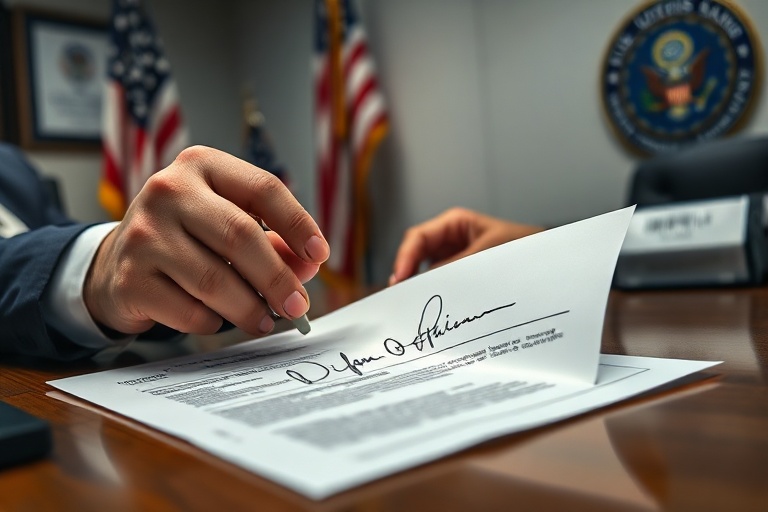
- Digital Signatures Accepted: USCIS now permits digital signatures on most forms, provided they meet specific security standards. This includes scanned handwritten signatures or those created via electronic signature platforms.
- Handwritten Signatures Still Required for Certain Forms: Some forms, particularly those involving legal certifications or oaths, still mandate original handwritten signatures. Applicants should verify the requirements for their specific form.
- Clarified Witness Requirements: For forms requiring witness signatures, the rule now specifies that witnesses must either provide original handwritten signatures or digitally sign using USCIS-approved platforms.
These changes follow years of advocacy from immigration attorneys and advocacy groups who argued that rigid handwritten signature rules created unnecessary barriers for applicants, particularly those outside the U.S. or with limited access to traditional mailing methods.
Why USCIS Made This Change
The decision to update signature rules aligns with USCIS’s broader digital transformation initiatives. The agency has been gradually shifting toward electronic filing systems to reduce processing times and improve efficiency. According to a 2023 USCIS report, 68% of applicants now prefer digital submissions over paper forms.
Legal experts suggest that the update also addresses concerns about fraud prevention. Digital signatures, when properly authenticated, can be more secure than traditional handwritten ones, as they often include timestamps and audit trails. USCIS spokesperson noted in a recent statement, “This change balances accessibility with security, ensuring that applicants can submit forms efficiently without compromising integrity.”
For applicants, the shift to digital signatures means greater flexibility. Those in remote locations or without easy access to consulates can now submit forms without the logistical challenges of mailing physical documents. However, the rule does not eliminate all barriers—applicants must still ensure their digital signatures meet USCIS’s technical standards.
How Applicants Can Adapt to the New Rule
Adapting to the new signature rule requires attention to detail. Here’s a step-by-step guide for applicants:
- Check Form Requirements: Before submitting, review the form instructions to confirm whether digital signatures are accepted. The USCIS website provides a detailed list of forms with updated signature guidelines.
- Use Approved Platforms: If submitting digitally, use USCIS-approved electronic signature tools. Free options like DocuSign or Adobe Sign are widely compatible, but always verify they meet USCIS security standards.
- Retain Copies: Whether submitting digitally or via paper, applicants should keep copies of all signed documents. Digital submissions should be saved in PDF format with clear, legible signatures.
- Consult Legal Help if Unsure: Immigration attorneys recommend consulting with a legal expert if there’s any doubt about signature compliance. Mistakes in this area can lead to delays or denials.
For those accustomed to traditional paper filings, the transition may feel abrupt. However, USCIS has provided extensive resources, including video tutorials and FAQs, to assist applicants. The agency has also extended grace periods for minor technical errors in digital submissions, though this should not be relied upon as a long-term solution.
Potential Challenges and Criticisms
Despite the benefits, the updated rule has not been without criticism. Some immigration advocates argue that the change disproportionately favors applicants with access to technology, leaving behind vulnerable populations, such as the elderly or low-income individuals. A recent survey by the American Immigration Lawyers Association (AILA) found that 34% of respondents cited digital literacy as a barrier to compliance.
Others point out that USCIS’s enforcement of the rule remains inconsistent. While some applicants have reported smooth processing with digital signatures, others have faced requests for original handwritten copies. This inconsistency has led to confusion, particularly for those submitting time-sensitive applications.
Legal challenges are also emerging. A coalition of immigrant rights groups has filed a petition arguing that USCIS did not adequately assess the impact of the rule on disabled applicants or those with limited internet access. The outcome of this petition remains pending, but it highlights the ongoing debate about accessibility in immigration processes.
Looking Ahead: The Future of USCIS Digital Processes
The signature rule update is part of a larger trend toward digitization within USCIS. The agency has hinted at further changes, including expanded use of remote interviews and AI-assisted document reviews. These advancements could significantly reduce processing times, which currently average 6-12 months for many applications.
For now, applicants should focus on adapting to the new signature requirements while staying informed about future updates. USCIS’s website and dedicated news section are reliable sources for announcements and clarifications.
The agency’s goal is clear: to make the immigration process more efficient and accessible. Whether this goal is met will depend on how well applicants, legal representatives, and USCIS itself navigate the transition. One thing is certain—the days of relying solely on pen and paper are numbered.
For further reading on USCIS updates and immigration policies, explore Dave’s Locker’s comprehensive guides and expert analysis.