Apple Card: How Apple’s Digital Credit Card Is Reshaping Global Finance
Apple Card: A Digital-First Credit Card Shaping Global Finance
Apple’s foray into financial services with the Apple Card in 2019 was more than a product launch—it was a statement about the future of money. Designed to integrate seamlessly with the Apple ecosystem, the card reimagines how users interact with credit, blending minimalist design, privacy-centric features, and real-time spending insights. While it remains unavailable in many countries, its influence extends beyond the United States, prompting global banks and fintech startups to rethink their own digital-first offerings.
The Philosophy Behind Apple’s Financial Experiment
At its core, the Apple Card reflects the company’s broader design philosophy: simplicity and transparency. Unlike traditional credit cards with opaque fee structures, Apple Card eliminates annual fees, late fees, and foreign transaction fees. Goldman Sachs, its financial partner, underpins this model with a streamlined rewards program—users earn 3% cash back on Apple purchases, 2% on other Apple Pay transactions, and 1% on everything else, all deposited daily into a linked Apple Cash account.
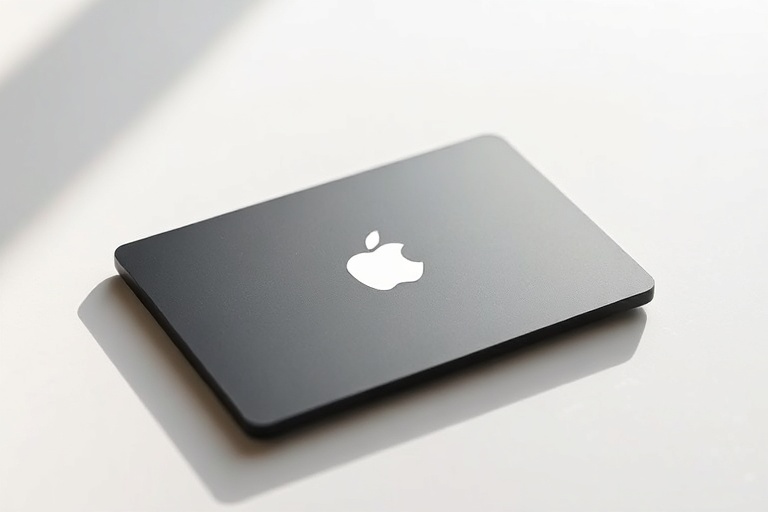
The card’s physical titanium build and minimalist aesthetic—no numbers, just the user’s name—align with Apple’s signature minimalism. Yet its real innovation lies beneath the surface. Every transaction is analyzed in real time, providing instant categorization and spending breakdowns through the Wallet app. This data-driven approach empowers users to make informed financial decisions, a feature that resonates particularly with younger, tech-savvy consumers.
Global Reach and Regulatory Hurdles
While Apple Card launched exclusively in the U.S., its ambitions are undeniably global. Apple has explored expansion into several international markets, including Canada, the U.K., and parts of Europe, though regulatory challenges have slowed progress. In 2021, Apple and Goldman Sachs abandoned plans to launch Apple Card in the U.K. after failing to secure approval from the Financial Conduct Authority. Similarly, in Canada, the card remains unavailable due to stringent banking regulations that favor domestic financial institutions.
In Asia, Apple Card has found limited traction. In China, where digital payments are dominated by Alipay and WeChat Pay, Apple’s entry into credit services faces stiff competition. Meanwhile, in Japan, Apple has partnered with local banks to offer co-branded credit cards, blending its design ethos with regional financial norms. These regional disparities highlight a critical lesson: global success for Apple Card will depend not just on technological prowess but on navigating diverse regulatory and cultural landscapes.
Cultural Impact: A Card for the Apple Loyalist
Apple Card isn’t just a financial tool—it’s a cultural artifact, emblematic of the Apple lifestyle. Its integration with Apple devices creates a closed-loop ecosystem that reinforces brand loyalty. For many users, carrying an Apple Card is as much about identity as it is about utility. It signals membership in a community that values innovation, design, and seamless integration across products.
However, this exclusivity has drawn criticism. Detractors argue that Apple Card reinforces socioeconomic divides by catering primarily to affluent, tech-obsessed consumers. The card’s rewards structure, while generous for Apple purchases, offers little benefit for those who don’t frequently shop with the brand. Additionally, its reliance on Apple Pay means users outside urban centers with limited access to contactless payment infrastructure may find it impractical.
Despite these criticisms, Apple Card has undeniably influenced consumer expectations. Traditional banks now scramble to offer similar transparency and digital integration. Fintech companies like Revolut and N26 have adopted Apple’s playbook, emphasizing real-time spending analytics and fee-free structures. Even established players like Chase and American Express have revamped their apps to mimic Apple’s user-friendly design.
Privacy and Security: A Differentiating Factor
In an era where data breaches and privacy scandals dominate headlines, Apple Card’s approach to user data stands out. Goldman Sachs does not sell transaction data to third parties, and Apple does not track purchases for advertising purposes. This commitment to privacy aligns with broader consumer concerns about data exploitation.
The card’s security features are equally robust. Each transaction requires Face ID or a passcode, and the physical card includes a dynamic security code that changes periodically, preventing fraudsters from reusing stolen card numbers. These measures have bolstered trust among users, particularly those wary of digital payment vulnerabilities.
Future Prospects: What’s Next for Apple Card?
Apple’s financial services roadmap suggests that Apple Card is just the beginning. Rumors persist about an Apple-branded savings account, installment payment plans for larger purchases, and even cryptocurrency integration. The company’s long-term vision appears to be building a comprehensive financial ecosystem that rivals traditional banking—one that prioritizes user control, transparency, and seamless integration across devices.
For now, Apple Card remains a niche product, beloved by its core user base but inaccessible to many. Its global expansion faces formidable regulatory and competitive challenges. Yet its cultural and technological impact is undeniable. By redefining what a credit card can be, Apple has set a new standard for the industry, proving that finance doesn’t have to be complicated to be powerful.
As digital payments continue to evolve, Apple Card serves as a case study in how technology can reshape even the most traditional sectors. Whether it achieves mainstream adoption or remains a premium offering, its influence will linger in the design of financial products to come.
Key Takeaways for Consumers
- Seamless Integration: Works best for users deeply embedded in the Apple ecosystem.
- Transparent Fees: No hidden charges, but rewards favor Apple-centric spending.
- Global Limitations: Availability varies widely due to regulatory constraints.
- Privacy Focus: Minimal data sharing makes it appealing to privacy-conscious users.
- Future Potential: Could expand into savings, loans, or cryptocurrency with Apple’s growth.
For those curious about the broader implications of digital finance, Apple Card offers a glimpse into a future where money moves as effortlessly as information. Whether that future arrives in full or in fragments, its outlines are becoming clearer—and Apple is drawing them.