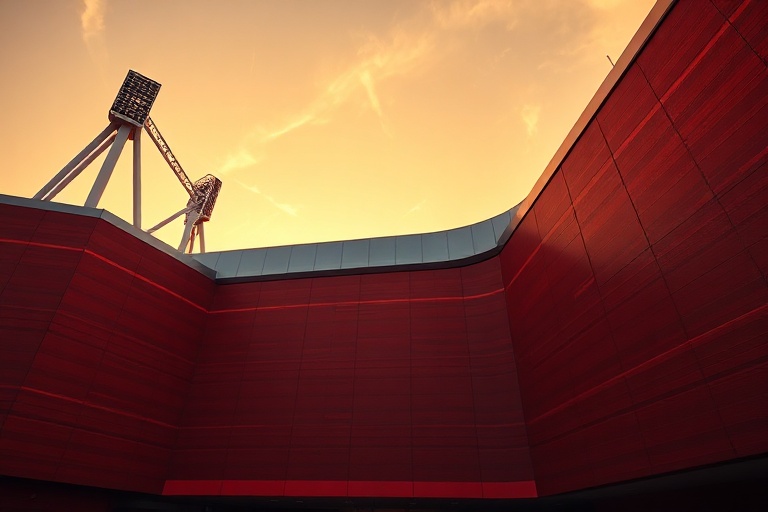
The Emirates Stadium, home of Arsenal Football Club since 2006, is poised for a transformative redevelopment that could reshape the club’s future. Plans recently revealed by Arsenal’s leadership indicate a multi-phase project aimed at modernizing the stadium while preserving its iconic status in North London. This initiative comes as football clubs across Europe increasingly view their stadiums as multi-purpose entertainment hubs rather than mere sporting venues.
The redevelopment project follows years of discussions about how the stadium could better serve both fans and the club’s commercial ambitions. With neighboring Tottenham Hotspur’s stadium offering a benchmark for modern football infrastructure, Arsenal appears determined to ensure their home ground remains competitive in an era where matchday experiences increasingly determine club revenue streams.
Key Elements of the Redevelopment Proposal
The proposed redevelopment includes several ambitious components that would significantly alter the stadium’s current configuration. At the heart of the plan is a substantial increase in capacity, which currently stands at 60,355. Club sources suggest the redevelopment could add approximately 8,000 additional seats through innovative seating solutions and structural modifications.
Beyond capacity increases, the redevelopment focuses on several critical areas:
- Modernized Facilities: Upgraded hospitality suites, premium seating areas, and enhanced player facilities are central to the design. The club aims to create more premium experiences that can attract corporate partners and high-value supporters.
- Sustainability Initiatives: The redevelopment incorporates cutting-edge environmental features including solar panel installations, rainwater harvesting systems, and improved waste management protocols. Arsenal has committed to making the stadium carbon-neutral as part of its broader sustainability goals.
- Accessibility Improvements: New ramps, elevators, and sensory rooms will make the stadium more accessible to disabled supporters. These changes align with the club’s ongoing commitment to inclusivity in football.
- Commercial Expansion: The stadium will feature expanded retail spaces, new food and beverage outlets, and potentially a hotel component that could operate year-round. This commercial diversification aims to generate revenue beyond matchdays.
Financial Considerations and Club Strategy
The estimated cost of the redevelopment remains undisclosed, though industry analysts suggest it could exceed £500 million. Funding will likely come from a combination of sources including club reserves, commercial partnerships, and potential naming rights deals for the stadium. The club’s commercial team has already begun discussions with potential sponsors about stadium naming opportunities that could generate hundreds of millions over several decades.
Arsenal’s approach to financing this project differs markedly from their previous stadium move. The Emirates Stadium was built with substantial debt that took years to repay. This time, the club appears determined to avoid similar financial pitfalls by ensuring the redevelopment generates sufficient commercial returns before major construction begins.
Club CEO Vinai Venkatesham has emphasized that the redevelopment must be “self-funding” through increased commercial revenue streams rather than relying heavily on borrowing. This strategy reflects a broader shift in football finance where clubs seek to balance sporting ambitions with fiscal responsibility.
Fan Perspectives and Community Impact
The redevelopment plans have sparked significant discussion among Arsenal supporters, with opinions divided along predictable lines. Some fans view the changes as essential for the club to remain competitive both on and off the pitch, while others express concerns about potential gentrification of matchday experiences and increased ticket prices.
A vocal contingent of supporters has called for greater transparency in the planning process, particularly regarding how the redevelopment might affect the club’s ticket pricing structure. In response, Arsenal has committed to community engagement sessions where fans can voice concerns and suggestions about the project.
The impact on local residents and businesses in Islington also requires careful consideration. While the redevelopment promises to bring economic benefits through increased tourism and commercial activity, concerns have been raised about potential disruption during construction phases and changes to the local character of the area around Holloway Road.
Timeline and Next Steps
The redevelopment project is currently in the planning and consultation phase, with formal planning applications expected to be submitted to Islington Council by late 2024. If approved, construction could begin as early as 2025, with completion targeted for the 2027-28 season. This timeline would allow the club to host matches during the redevelopment, minimizing disruption to the first team’s schedule.
Arsenal has engaged leading architects and construction firms with extensive experience in stadium projects, including firms involved in Tottenham’s stadium and Manchester City’s Etihad Campus expansion. The design process will prioritize maintaining the stadium’s distinctive architecture while incorporating modern amenities.
In the coming months, the club will likely unveil more detailed renderings and specific plans for each phase of the redevelopment. These presentations will provide crucial insights into how the stadium’s character might change while addressing fan concerns about maintaining Arsenal’s unique identity.
Broader Implications for English Football
Arsenal’s redevelopment plans reflect broader trends in English football where clubs are increasingly viewing their stadiums as central to their business strategy. The past decade has seen significant investments in stadium infrastructure across the Premier League, with clubs recognizing that modern facilities are essential for attracting top players, generating commercial revenue, and satisfying increasingly demanding fans.
This trend has created a competitive environment where clubs must continually invest in their facilities to remain relevant. The Emirates redevelopment could set a new standard for stadium design in English football, potentially influencing other clubs to pursue similar projects.
However, the project also raises questions about the financial sustainability of such large-scale investments. With Premier League clubs facing increased scrutiny over their financial practices, Arsenal’s approach to self-funding the redevelopment will be closely watched by regulators and fellow club executives alike.
A Balancing Act for Modern Football
As Arsenal embarks on this ambitious project, the club faces the challenge of balancing commercial ambition with sporting tradition. The Emirates Stadium has been a fortress for the Gunners, witnessing memorable European nights and dramatic Premier League victories. The redevelopment must preserve this atmosphere while creating a stadium fit for the modern era.
The project also comes at a pivotal moment for Arsenal Football Club. After years of underachievement in domestic competitions and European tournaments, the club appears determined to use this redevelopment as part of a broader strategy to return to the top of English football. A modernized stadium could provide the platform for this resurgence, both financially and culturally.
As planning progresses and details emerge, one thing is certain: the Emirates Stadium’s redevelopment will be one of the most significant projects in English football over the next five years. For Arsenal fans, it represents both an exciting future and a potential challenge to the traditions that have defined their club for generations.
The coming years will determine whether this redevelopment can successfully marry the old and the new, creating a stadium that honors Arsenal’s heritage while propelling the club into a new era of success both on and off the pitch.
For more insights into stadium developments across football, visit our Sports category. To explore how modern stadiums are transforming fan experiences, check out our Technology section.