Backrooms Movie: How a Creepypasta Became a Global Horror Sensation
The Rise of the Backrooms Phenomenon
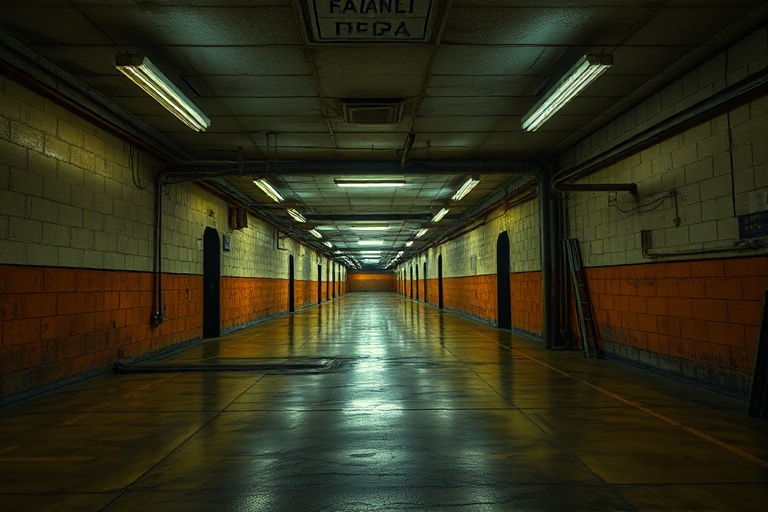
The Backrooms is more than just an internet horror myth—it’s a cultural touchstone that has evolved from a niche creepypasta into a global multimedia sensation. Originating in 2018 on 4chan’s /x/ board, the concept of the Backrooms as an endless, yellow-lit limbo where reality warps has captivated audiences across platforms. What began as a simple text post describing “levels” of unnerving alternate dimensions has since spawned countless fan creations, including games, short films, and even music.
The Backrooms’ appeal lies in its ambiguity. Unlike traditional horror, which relies on jump scares or gore, the Backrooms thrives on psychological unease. The idea of being trapped in an endless corridor—where the air hums with an eerie static and the walls seem to breathe—taps into primal fears of isolation and the unknown. This minimalist approach has allowed the mythos to transcend its origins, morphing into a canvas for global reinterpretations.
The Global Spread of a Digital Folklore
The Backrooms’ journey from obscure forum post to international phenomenon reflects the internet’s power to democratize storytelling. As users in Europe, Asia, and South America added their own “levels” to the lore, the Backrooms became a collaborative nightmare fueling creativity worldwide. In Japan, for instance, artists reimagined the Backrooms through the lens of cyberpunk aesthetics, blending neon-lit corridors with traditional ghost stories. Meanwhile, in Brazil, local filmmakers adapted the concept into short films that leaned into the country’s own urban legends.
This grassroots expansion highlights how digital myths evolve when they’re adopted by diverse cultures. The Backrooms’ lack of rigid rules—its levels can be anything from a surreal office space to a flooded subway—makes it endlessly adaptable. It’s a testament to how folklore once spread by word of mouth now thrives in the digital age, where anyone can contribute to its ever-growing mythology.
From Creepypasta to Mainstream: The Backrooms Movie
The leap from online myth to on-screen horror represents a significant milestone for the Backrooms. In 2023, the first official Backrooms-related film, Local 58: The Backrooms, premiered on YouTube, amassing millions of views within days. While not a Hollywood production, its success underscored the demand for visual interpretations of the lore. Since then, indie creators and studios alike have explored the Backrooms, each bringing a unique perspective.
One standout example is the entertainment industry’s embrace of the Backrooms. Streaming platforms like Netflix and Shudder have begun developing projects inspired by the mythos, signaling its mainstream potential. These adaptations often blend found-footage techniques with surreal horror, a style that resonates with younger audiences raised on viral content. The Backrooms’ cinematic potential lies in its ability to be both terrifying and thought-provoking, inviting viewers to ponder what lurks beyond the yellow walls.
The Cultural Impact: Why the Backrooms Resonate
The Backrooms’ enduring popularity can be attributed to several key factors. First, it taps into contemporary anxieties about reality and perception, themes that have grown more relevant in an era of deepfakes and digital disinformation. The idea of a hidden, unstable world lurking beneath the surface mirrors real-world fears of the unknown.
Second, the Backrooms serve as a creative playground. Its open-ended nature allows fans to craft their own stories, whether through writing, art, or game design. Games like Backrooms Simulator and The Backrooms Game have become viral hits, proving that the mythos thrives in interactive spaces. This participatory aspect fosters a sense of community among fans, who share their creations and theories online.
Finally, the Backrooms’ aesthetic—a mix of retro corporate dread and surreal horror—has seeped into broader pop culture. From music videos to fashion, the Backrooms’ visual language has become shorthand for unease and the uncanny. Brands and artists have co-opted its imagery, further cementing its place in the cultural lexicon.
The Future of the Backrooms
As the Backrooms continue to evolve, their future seems boundless. With Hollywood taking notice and indie creators pushing boundaries, the mythos is poised to become a permanent fixture in horror. The upcoming Backrooms Movie, a feature-length adaptation in development, could mark a turning point, bringing the phenomenon to a wider audience.
Yet, the Backrooms’ strength lies in its decentralized nature. Even as mainstream adaptations emerge, the mythos will likely retain its grassroots charm. Fans will continue to add new levels, stories, and interpretations, ensuring the Backrooms remain a living, breathing entity.
The Backrooms are more than just a horror story—they’re a reflection of how digital culture shapes our fears and fascinations. As long as the internet continues to evolve, so too will the endless corridors of the Backrooms.
Key Takeaways
- Origins: The Backrooms began as a 2018 4chan post and grew into a global phenomenon.
- Global Reach: The mythos has been adapted by creators worldwide, from Japan to Brazil.
- Cinematic Potential: Films and games have brought the Backrooms to new audiences, blending horror with interactivity.
- Cultural Impact: The Backrooms reflect modern anxieties and serve as a creative outlet for fans.