BBC One Through the Decades: From Black-and-White Beginnings to Digital Dominance
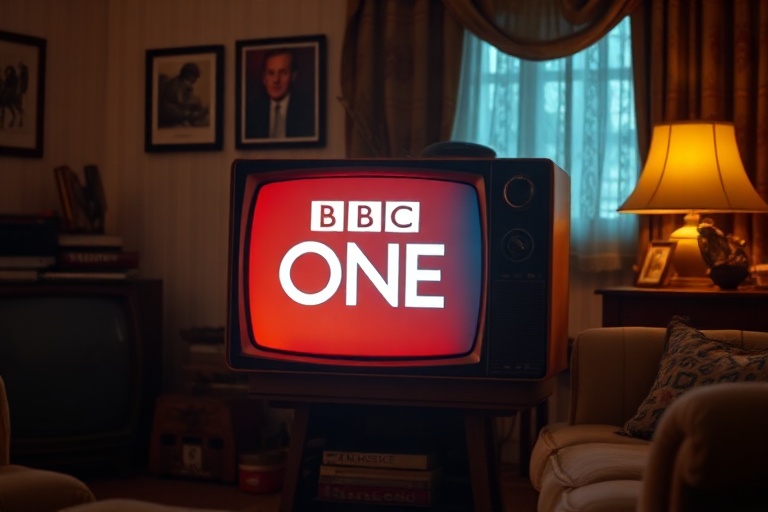
Launched on November 2, 1936, BBC One holds the distinction of being the world’s first regular high-definition television service. Initially known as the BBC Television Service, it introduced a nightly schedule that included news, drama, and light entertainment—an innovation that redefined home viewing. The channel’s early years were marked by technological limitations, yet its commitment to quality content quickly distinguished it from competitors.
The post-war era brought color television in 1967, transforming BBC One into a vibrant medium that reflected the cultural shifts of the time. Iconic shows like Doctor Who and Fawlty Towers emerged during this period, cementing the channel’s reputation for creativity. By the 1980s, BBC One had become a cornerstone of British life, blending public service obligations with mass appeal.
The Role of BBC One in Shaping British Identity
At its core, BBC One operates as a public service broadcaster, funded by the television license fee in the UK. This model ensures that the channel remains free from commercial pressures, allowing it to prioritize informative, educational, and culturally enriching content. Unlike privately owned networks, BBC One doesn’t chase ratings at all costs; instead, it balances popularity with substance.
Its programming reflects the diversity of the UK population. From hard-hitting documentaries like Panorama to family-friendly series such as Strictly Come Dancing, the channel caters to all age groups. Even its regional news bulletins, broadcast across England’s nine regions, underscore its commitment to local storytelling within a national framework.
Global Reach and Cultural Influence
While BBC One is primarily a UK-focused channel, its content often resonates internationally. British dramas like Sherlock and Doctor Who have amassed global fanbases, proving that high-quality storytelling transcends borders. The BBC’s international distribution arm, BBC Studios, licenses these shows to networks worldwide, further amplifying their impact.
In an era where streaming giants dominate, BBC One maintains relevance through its iPlayer platform, which offers on-demand access to its catalog. This digital adaptation has helped the channel reach younger audiences who consume media on their own terms. However, it also faces challenges from global competitors like Netflix and Amazon Prime, which invest heavily in original content.
Controversies and Criticisms
No institution as prominent as BBC One escapes scrutiny. Critics argue that its license fee model is outdated, particularly as younger viewers increasingly turn to subscription-based services. There have also been debates over political bias in news coverage, with accusations of both left-leaning and right-leaning leanings depending on the program in question.
Another recurring issue is the channel’s struggle to represent modern Britain accurately. While efforts have been made to diversify its talent pool and storylines, some contend that progress has been slow. Shows like Noughts + Crosses, which explores racial inequality, signal a shift, but broader systemic change remains a work in progress.
What’s Next for BBC One?
The future of BBC One hinges on its ability to evolve without losing sight of its founding principles. The BBC has already begun investing in new formats, such as interactive dramas and virtual reality documentaries, to engage digital-native audiences. Its partnership with local production companies also ensures that regional voices continue to be heard.
Yet, the biggest challenge may be financial. The UK government’s decision to freeze the license fee until 2027 has put pressure on budgets, forcing the BBC to make tough choices about where to allocate resources. Despite this, BBC One remains a vital institution, offering a counterbalance to the algorithm-driven content of commercial platforms.
A Legacy Worth Preserving
In an age of endless entertainment options, BBC One stands out for its consistency and integrity. It doesn’t chase trends; it sets them. Whether through groundbreaking journalism, timeless dramas, or heartwarming comedies, the channel continues to play a unique role in British culture—and beyond.
As technology advances and viewing habits shift, BBC One’s challenge will be to stay true to its mission while embracing innovation. If it succeeds, it will remain a global benchmark for public service broadcasting for decades to come.
Key Takeaways: Why BBC One Matters
- Public Service at Its Core: Unlike commercial channels, BBC One prioritizes education, diversity, and public interest over profit.
- Cultural Export: Its programming, from Top Gear to Blue Lights, shapes global perceptions of British culture.
- Digital Adaptation: The iPlayer platform keeps it relevant in a streaming-dominated world.
- Ongoing Challenges: Funding pressures and representation debates require constant attention.
For more on the evolution of television, explore our Entertainment section. To understand how global media shapes culture, visit our Culture category.