Britain’s Got Talent 2026: Trends, Judges & What’s Next
With auditions already underway and speculation rife, here’s what the 2026 season could hold.
The Evolution of Britain’s Got Talent
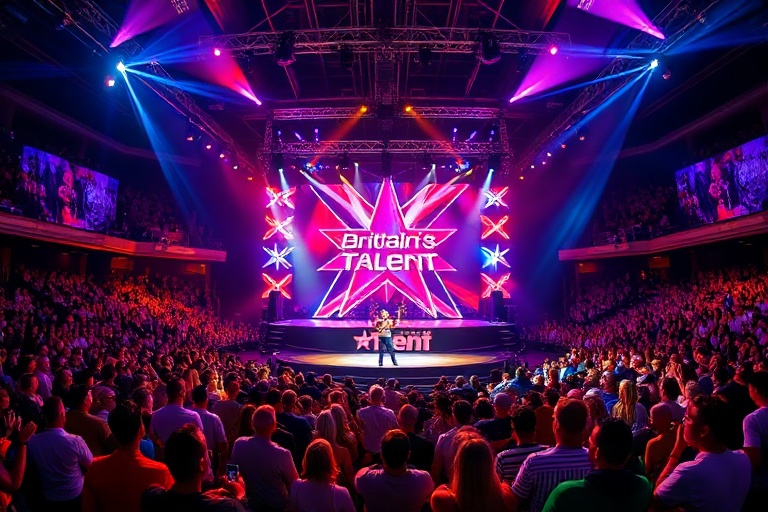
Since its debut in 2007, Britain’s Got Talent has become a cornerstone of British television, blending raw talent with high-energy entertainment. The show’s formula—discovering unknown performers, heartwarming stories, and jaw-dropping acts—has kept audiences engaged for nearly two decades. As we look ahead to the 2026 season, it’s worth examining how the format has evolved and what changes might be on the horizon.
The introduction of Simon Cowell as a judge in 2010 marked a turning point, infusing the show with his signature no-nonsense approach. Since then, the panel has seen numerous changes, including the addition of Alesha Dixon, David Walliams, and most recently, Bruno Tonioli. For 2026, speculation is already swirling about potential new judges, with names like Dua Lipa and Tom Holland frequently mentioned in tabloid circles.
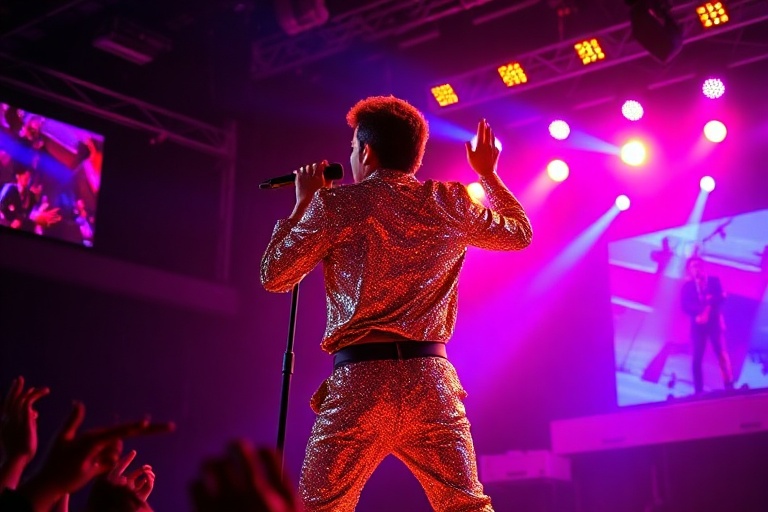
The show’s format has also adapted to shifting audience tastes. While traditional acts like singers and dancers remain staples, recent seasons have leaned heavily into viral internet stars and novelty performances. This trend shows no signs of slowing, meaning 2026 could see even more acts that blur the line between talent and internet fame.
Key Trends Shaping Britain’s Got Talent 2026
The 2026 season is poised to reflect broader cultural shifts in entertainment. Here are the key trends likely to influence the show:
- AI and Technology-Driven Acts: As artificial intelligence and digital artistry become more mainstream, we may see acts that incorporate AI-generated music, holographic performances, or even robotics. The 2024 season already featured a robot-powered dance troupe—imagine what 2026 could bring.
- Sustainability and Social Consciousness: With climate change and social justice dominating global conversations, acts that address these themes—whether through song, dance, or spoken word—could resonate strongly with audiences and judges alike.
- Nostalgia and Revivals: The revival of classic talent shows like American Idol suggests a hunger for nostalgia. Britain’s Got Talent may tap into this by featuring acts inspired by past decades, from 80s power ballads to 90s boy bands.
- Globalization of Talent: The show has always had an international flavor, but 2026 could see even more acts from non-English-speaking countries, reflecting the global nature of talent today.
Another factor to watch is the increasing role of social media in the selection process. While auditions remain the primary route to the live shows, producers may experiment with online pre-auditions or fan-voted segments to engage younger viewers.
The Judges’ Table: Who Could Join the Panel?
The judge’s panel is often the most talked-about aspect of Britain’s Got Talent, and the 2026 season is no exception. With Amanda Holden, Simon Cowell, and David Walliams confirmed to return, the big question is who will fill the remaining spots.
Bruno Tonioli has hinted at a potential exit, which could open the door for a high-profile replacement. Industry insiders suggest Dua Lipa is a strong contender, given her judging experience on America’s Got Talent and her massive global appeal. Other rumored names include:
- Tom Holland: The Spider-Man star has expressed interest in judging roles and could bring a fresh, energetic dynamic to the panel.
- Rita Ora: With her background in music and judging on The Voice UK, Ora could offer a blend of industry insight and star power.
- Ed Sheeran: Though he’s rarely discussed as a judge, Sheeran’s down-to-earth personality and musical expertise could make him a compelling addition.
The chemistry between judges often defines a season’s tone. A younger, more diverse panel could signal a shift toward acts that resonate with Gen Z audiences, while a more traditional lineup might prioritize classic talent show staples.
What This Means for the Future of Live Talent Shows
Britain’s Got Talent doesn’t operate in a vacuum—its success is tied to the broader landscape of live entertainment. The 2026 season arrives at a time when traditional talent shows face both opportunities and challenges.
On one hand, live television remains a powerful medium for discovery. The COVID-19 pandemic proved that audiences crave shared experiences, and talent shows like BGT provide exactly that. On the other hand, the rise of streaming platforms and short-form video content has fragmented the entertainment landscape. To stay relevant, the show must innovate, whether through interactive elements, hybrid live-streamed auditions, or partnerships with platforms like TikTok.
There’s also the matter of competition. With shows like The Masked Singer and America’s Got Talent: All Stars vying for attention, Britain’s Got Talent must continue to evolve to keep its edge. The 2026 season could experiment with new formats, such as themed nights or celebrity collaborations, to keep viewers hooked.
For aspiring performers, the stakes are higher than ever. The show’s influence extends beyond television—many past contestants have leveraged their BGT fame into successful careers, from Susan Boyle’s chart-topping albums to Lost Voice Guy’s comedy tours. A standout act in 2026 could become the next big thing overnight.
Final Thoughts: Why Britain’s Got Talent Still Matters
Britain’s Got Talent has endured for nearly 20 years because it taps into something fundamental: the human desire to be seen and celebrated. In an era of curated social media personas and algorithm-driven content, the show offers a raw, unfiltered glimpse into extraordinary talent.
The 2026 season will likely reflect the times—whether through technological innovation, social consciousness, or a renewed focus on nostalgia. But at its core, the show’s magic lies in its unpredictability. Who knows? The next Susan Boyle or Paul Potts could be waiting in the wings, ready to take the world by surprise.
One thing is certain: when the first live shows air in 2026, millions will tune in, hoping to discover the next big star. And in a world where entertainment is increasingly commodified, Britain’s Got Talent remains a rare beacon of authenticity.
For more on the evolution of talent shows, check out our analysis of The Rise and Fall of American Idol and how it shaped modern competitions. You can also explore our culture section for deeper insights into why certain acts capture the public imagination.