Bruno Mars Chicago Concerts: A Masterclass in Live Music
When Bruno Mars took the stage at Chicago’s United Center on a crisp autumn evening, he didn’t just perform—he transported the audience through decades of musical history while anchoring every moment in the present. The two-night residency in the Windy City showcased his unparalleled ability to blend retro soul, funk, pop, and rock into a seamless, high-energy experience that felt both nostalgic and urgently alive. For over 2,000 fans per show, the concerts weren’t just entertainment; they were a masterclass in showmanship, musical precision, and cultural storytelling.
Chicago, a city known for its deep musical roots in blues, jazz, and house music, provided the perfect backdrop for Mars’ genre-defying artistry. The city’s diverse audience, from lifelong soul lovers to younger pop enthusiasts, reflected the universal appeal of an artist who refuses to be confined by musical boundaries. This was more than a concert—it was a celebration of rhythm, groove, and the enduring power of live performance.
The Evolution of Bruno Mars on Stage
Bruno Mars has long been celebrated for his ability to channel the energy of classic performers like Michael Jackson, James Brown, and Prince, yet he consistently carves out his own identity. The Chicago residency allowed him to refine this approach, weaving together hits from his catalog—“24K Magic,” “Uptown Funk,” “Just the Way You Are”—with deep cuts and unexpected covers that highlighted his band’s musicianship and his own vocal agility.
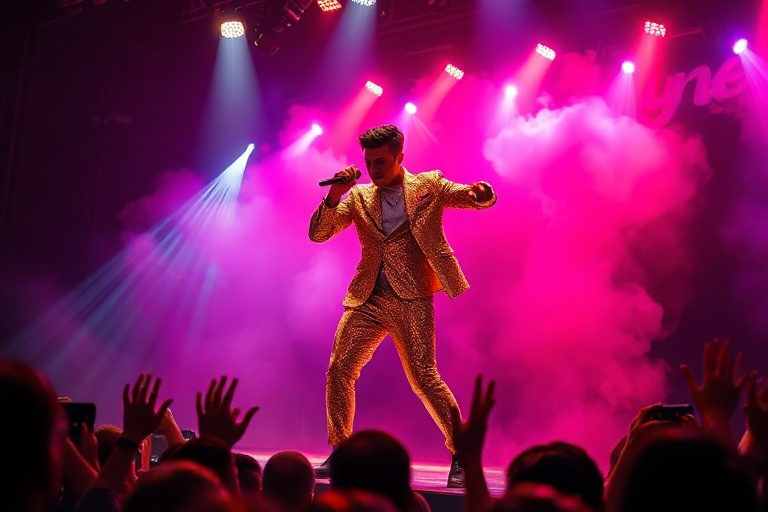
The stage design played a crucial role in the show’s immersive quality. A dynamic, rotating platform elevated the band, singers, and dancers, creating a visual rhythm that matched the music. The lighting shifted from warm amber tones during soulful ballads to neon-lit, high-contrast bursts during funk and pop anthems, mirroring the emotional arc of the performance. Mars’ choreography, though not as physically demanding as some pop stars’, was precise and expressive, emphasizing the theatricality of the show rather than brute athleticism.
What stood out most was his interaction with the crowd. Chicago audiences are notoriously tough critics, but Mars earned their approval through authenticity. He paused between songs to acknowledge the city’s musical legacy, name-dropping local legends like Curtis Mayfield and calling out Chicago’s influence on global music. It wasn’t just flattery—it was a recognition of the city’s role in shaping the sounds he loves.
Musical Highlights and Surprise Moments
The setlist was a carefully curated journey through Mars’ career, but the surprises kept fans on their toes. One standout was a stripped-down, jazz-infused rendition of “Grenade”, where he played piano himself, stripping away the pop production to reveal the song’s melancholic core. The audience’s stunned silence before erupting into applause spoke volumes about the power of raw musicality.
Another unforgettable moment came during “Runaway Baby,” when Mars invited a young fan onstage to dance. The boy, visibly nervous but grinning from ear to ear, was guided through a few simple steps by the star before the entire crowd joined in. The moment was brief but powerful—a reminder that music, at its best, is a communal experience.
Mars also paid homage to Chicago’s hip-hop scene with a cover of “The Light” by Common, a nod to the city’s influence beyond its soul and blues traditions. The choice was unexpected but fitting, reinforcing the residency’s theme of musical fusion.
Key Elements of the Chicago Residency
- Setlist Diversity: A mix of hits, deep cuts, and covers that showcased Mars’ range.
- Stage Innovation: Rotating platforms and dynamic lighting created a cinematic experience.
- Crowd Interaction: Mars engaged with Chicago’s musical heritage and its people directly.
- Musical Surprises: Unplugged moments and genre-blending covers kept the show fresh.
Why Bruno Mars Matters in Today’s Music Landscape
In an era dominated by digital production and algorithm-driven playlists, Bruno Mars represents a stubborn commitment to live instrumentation, vocal performance, and theatricality. His shows are a rebuttal to the idea that modern pop music must sacrifice craft for convenience. The Chicago residency underscored this philosophy: every note, every dance move, every costume change was intentional, designed to create an experience that couldn’t be replicated at home.
Mars’ success also highlights a broader trend in music: the resurgence of retro styles. From Dua Lipa’s disco revival to Harry Styles’ rock influences, contemporary artists are increasingly drawing from the past to innovate. Mars, however, doesn’t just borrow—he synthesizes. His music isn’t a pastiche; it’s a living, breathing evolution of classic sounds. The Chicago shows proved that audiences crave authenticity, even in an age of digital saturation.
Moreover, Mars’ ability to transcend generational and cultural divides is noteworthy. The audience at the United Center included grandparents, teens, and everything in between—all united by their love of music. This kind of cross-generational appeal is rare in today’s fragmented entertainment landscape, where niche genres often dominate. Mars’ music, with its roots in accessible, groove-based styles, bridges gaps that many modern artists struggle to cross.
The Lasting Impact of the Chicago Residency
The Chicago shows were more than just a stop on Mars’ tour—they were a statement. In a music industry increasingly focused on streaming metrics and viral moments, Mars doubled down on the value of live performance. The residency’s sold-out crowds and universal praise suggest that audiences are hungry for this kind of artistry.
For Chicago, a city with a musical legacy as rich as its deep-dish pizza, the residency was a validation of its cultural influence. Mars didn’t just play the city—he celebrated it, and in doing so, reminded everyone why live music still matters.
As the final notes of “Locked Out of Heaven” faded into the Chicago night, it was clear that these shows would be remembered not just as concerts, but as cultural touchstones. Bruno Mars didn’t just bring his music to Chicago—he brought people together, if only for a few hours, to celebrate something rare and beautiful: the power of music to connect us all.
For fans who were lucky enough to attend, the memories will last a lifetime. For those who missed it, the footage and stories from the residency serve as a reminder of what makes live music so magical.
For more on the evolution of live music experiences, visit our Entertainment section. To explore the intersection of music and culture, check out our Culture category.