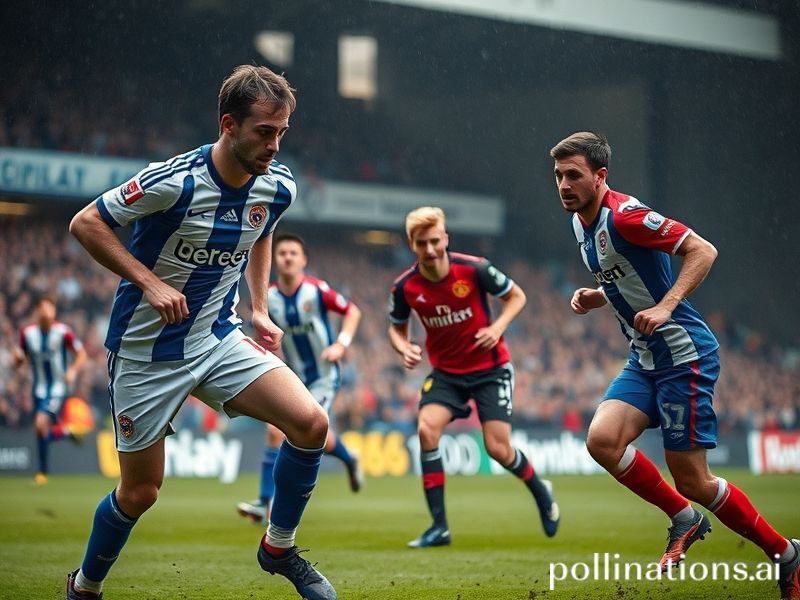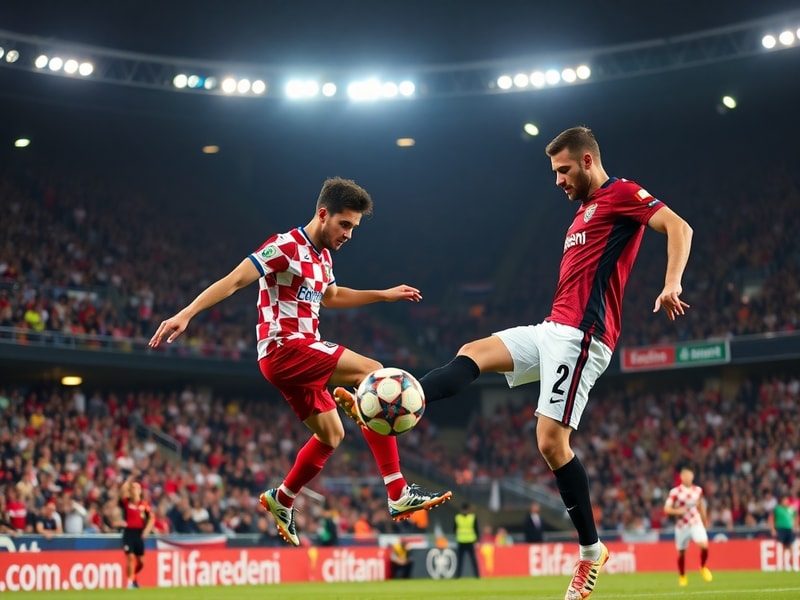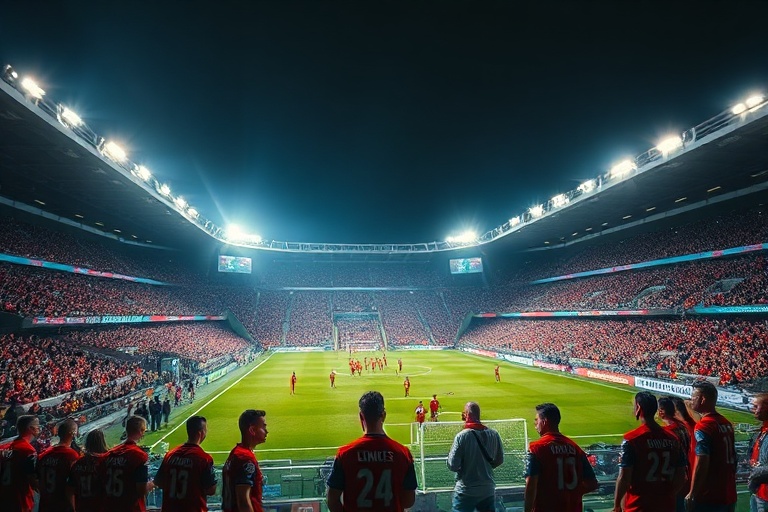
The Bundesliga 2, officially known as the 2. Bundesliga, serves as the second tier of professional football in Germany. While it often plays second fiddle to its illustrious top-flight counterpart, the Bundesliga, this league is a critical breeding ground for talent, a testing ground for managerial innovation, and a financial lifeline for clubs aspiring to reach the summit of German football. Despite operating in the shadow of the Bundesliga, the 2. Bundesliga is a dynamic and fiercely competitive league that deserves closer examination.
The Structure and Significance of Bundesliga 2
The 2. Bundesliga operates as a 18-team league, where teams compete in a round-robin format over 34 matchdays. The top two teams earn automatic promotion to the Bundesliga, while the third-placed team enters a promotion playoff against the 16th-placed team in the Bundesliga. The bottom two teams are relegated to the 3. Liga, Germany’s third division, with the 16th-placed team facing a relegation playoff against the third-placed team from the 3. Liga.
The league’s structure ensures a high level of competition throughout the season. Unlike some second-tier leagues in other countries, the 2. Bundesliga is not a straightforward pathway for relegated teams to return to the top flight. Instead, it is a league where ambition, financial stability, and sporting merit converge. Clubs like FC St. Pauli and 1. FC Heidenheim have demonstrated that with the right management and investment, teams can rise from the 2. Bundesliga to challenge for Bundesliga titles.
Financially, the 2. Bundesliga is a league of contrasts. While some clubs operate with modest budgets, others have leveraged their time in the second tier to attract investment and expand their fan bases. The league’s average attendance often surpasses 15,000 per game, a testament to its popularity and the passion of its supporters. This fan engagement is a key factor in the league’s ability to attract sponsorship and broadcast deals, which in turn fuels its growth.
Key Clubs and Their Impact on German Football
The 2. Bundesliga is home to clubs with rich histories and passionate fan cultures. Teams like Hamburger SV, despite their Bundesliga pedigree, have found themselves competing in the second tier in recent years. Hamburger SV’s relegation in 2018 marked the end of their 55-year uninterrupted run in the top flight, a historic moment that underscored the unpredictable nature of football. Their subsequent campaigns in the 2. Bundesliga have been marked by efforts to regain their former glory, drawing significant attention and support.
Another club making waves is SC Freiburg, whose rise from the 2. Bundesliga to the Bundesliga has been nothing short of remarkable. Under the management of Christian Streich, Freiburg transformed from a mid-table second-tier side into a Bundesliga mainstay. Their emphasis on youth development and attacking football has not only earned them a place in the top flight but also cemented their reputation as a club capable of punching above their weight.
The 2. Bundesliga also serves as a platform for clubs like 1. FC Nürnberg and Arminia Bielefeld, which have experienced both the highs of the Bundesliga and the challenges of life in the second tier. These clubs often boast loyal fan bases and historic stadiums, adding to the league’s cultural richness.
Rising Stars and Talent Development
One of the most compelling aspects of the 2. Bundesliga is its role in nurturing young talent. The league provides a competitive environment where young players can gain valuable first-team experience before potentially moving to top-flight clubs or abroad. Clubs like VfB Stuttgart and RB Leipzig have used the 2. Bundesliga as a stepping stone for their youth academies, with players like Timo Werner and Joshua Kimmich emerging as stars in the Bundesliga after honing their skills in the second tier.
The league’s emphasis on youth development is further highlighted by the presence of clubs like FC Erzgebirge Aue and Dynamo Dresden, which have strong academy systems. These clubs often act as launchpads for players who go on to achieve success at higher levels. The 2. Bundesliga’s focus on developing talent ensures that it remains an integral part of Germany’s football ecosystem.
Financial Realities and the Business of Bundesliga 2
The financial landscape of the 2. Bundesliga is as diverse as its clubs. While some teams operate with tight budgets, others have attracted investment from wealthy backers or benefitted from lucrative sponsorship deals. Clubs like Hamburger SV and 1. FC Köln, which have large fan bases, often command higher revenues from ticket sales and merchandise, even in the second tier.
Broadcast revenue is another critical component of the league’s financial health. The 2. Bundesliga’s television rights deals, while not as lucrative as those of the Bundesliga, provide a steady income stream for clubs. The league’s partnership with broadcasters like Sky Germany and DAZN ensures that matches are accessible to a wide audience, both domestically and internationally.
However, financial disparities remain a challenge. Smaller clubs often struggle with limited resources, making it difficult to compete with wealthier teams. The promotion-relegation system adds an extra layer of pressure, as clubs must balance ambition with financial prudence to avoid overreaching and facing insolvency.
The Future of Bundesliga 2: Challenges and Opportunities
The 2. Bundesliga faces several challenges as it looks to the future. One of the most pressing is the need to maintain competitive balance. The financial muscle of clubs like Hamburger SV and 1. FC Köln can create a divide between the haves and have-nots, potentially stifling the league’s unpredictability. Addressing this issue will be crucial to ensuring the league remains an exciting and meritocratic competition.
Another challenge is the increasing competition from other European leagues. As clubs in leagues like the English Championship and the Spanish Segunda División attract more investment, the 2. Bundesliga must continue to innovate and market itself effectively to retain talent and attract fans.
Despite these challenges, the 2. Bundesliga offers significant opportunities. The league’s emphasis on youth development aligns with Germany’s broader football philosophy, ensuring a steady supply of talent for the Bundesliga and the national team. Additionally, the league’s passionate fan culture and historic clubs provide a unique identity that sets it apart from other second-tier leagues in Europe.
Looking ahead, the 2. Bundesliga’s ability to adapt and innovate will determine its long-term success. Whether through enhanced youth development programs, strategic investments, or innovative marketing, the league has the potential to carve out a more prominent role in European football.
Why Bundesliga 2 Matters
The 2. Bundesliga is more than just a stepping stone to the top flight; it is a vital component of German football’s ecosystem. For clubs, it offers a pathway to redemption and success. For players, it provides a platform to showcase their talent and attract interest from bigger clubs. For fans, it delivers competitive football, historic rivalries, and the thrill of unpredictable outcomes.
As the Bundesliga continues to dominate headlines, the 2. Bundesliga quietly thrives as the backbone of German football. Its clubs, players, and supporters embody the spirit of the sport, proving that even in the shadows, there is brilliance to be found.
For those looking to explore more about German football or dive deeper into the Bundesliga ecosystem, you can check out our Sports and Analysis sections for additional insights and coverage.