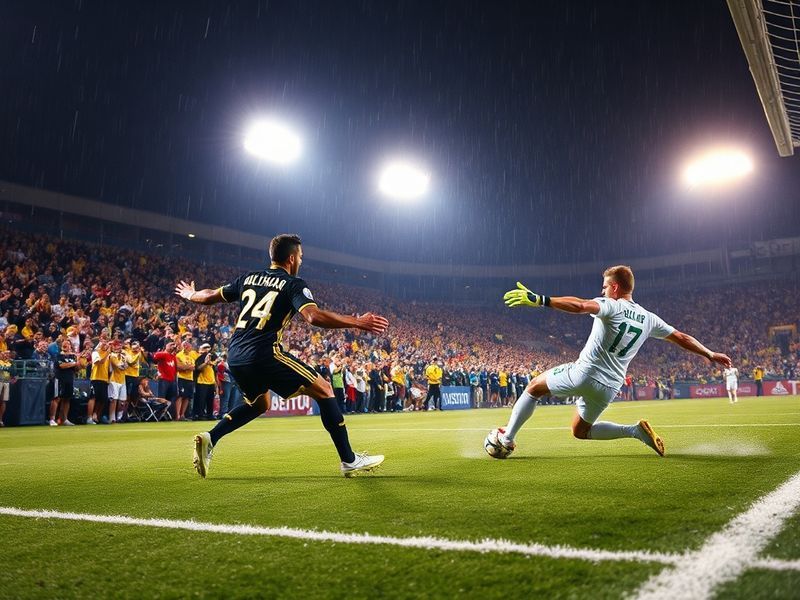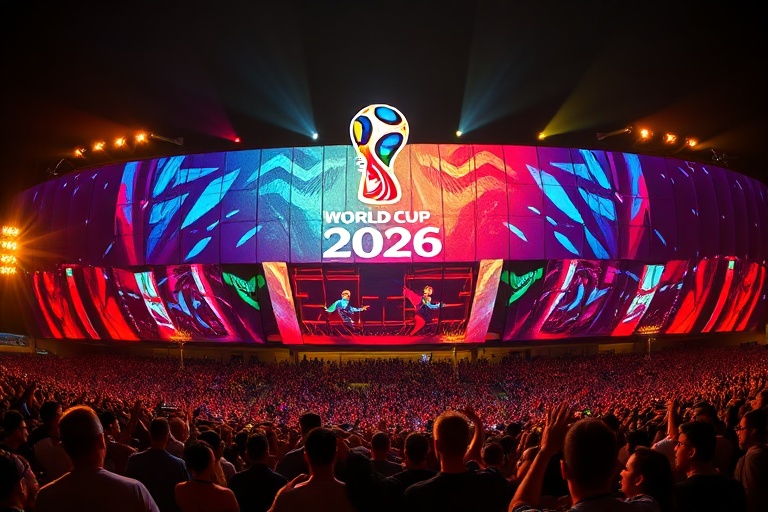
The FIFA World Cup 2026 is set to become the most expansive edition in the tournament’s history, marking a significant evolution in how the world’s premier football event is organized. With 48 teams competing across three host nations, the tournament promises not only athletic excellence but also a unique cultural convergence unlike any previous World Cup. The dates, format, and global implications of this event have already begun to shape discussions among fans, analysts, and governing bodies alike.
The Official Tournament Timeline
The World Cup 2026 will run from June 11 to July 19, 2026. This extended window reflects the tournament’s expanded format, which includes 16 more teams than the 2022 edition in Qatar. The decision to host the event across three countries—the United States, Canada, and Mexico—necessitates a longer schedule to accommodate travel, rest periods, and broadcast considerations. Matches will be spread across 16 cities, creating a truly continental experience for players and supporters.
Each host nation brings its own footballing culture and infrastructure to the tournament. The United States, with its vast stadium capacities and growing soccer fanbase, will host the majority of matches. Canada and Mexico contribute their own vibrant football traditions, ensuring that fans from North America and beyond will have multiple venues to experience the excitement. The opening match is scheduled for June 11 at AT&T Stadium in Dallas, Texas, while the final will take place on July 19 at MetLife Stadium in New Jersey.
How the Expanded Format Changes the Game
The introduction of 16 additional teams—bringing the total to 48—represents a historic shift for the World Cup. This expansion was approved by FIFA in 2017, aiming to make the tournament more inclusive and competitive. Teams will be divided into 12 groups of four, with the top two from each group advancing to a 32-team knockout stage. This structure ensures that more nations have a realistic chance to progress deep into the tournament, even if they are not traditional footballing powerhouses.
The new format has sparked debate among purists and modernists. Traditionalists argue that diluting the quality of competition could diminish the prestige of the World Cup. However, proponents highlight the opportunity for underrepresented regions—such as Asia, Africa, and North America—to showcase their talent on a global stage. The inclusion of nations like Haiti, Jamaica, and Trinidad and Tobago in the qualifying rounds underscores FIFA’s commitment to expanding football’s reach.
For fans, the expanded format means more matches and more stories to follow. The knockout stage will feature additional rounds compared to previous tournaments, increasing the drama and unpredictability. This change also aligns with FIFA’s broader strategy to grow the sport globally, as evidenced by the success of regional tournaments like the AFC Asian Cup and the CONCACAF Gold Cup.
Cultural and Economic Implications of a Trilateral Hosting
Hosting a World Cup across three nations is unprecedented, and the cultural and economic ripple effects are already being felt. The event is expected to generate over $11 billion in economic activity, with hotels, transportation, and tourism industries poised to benefit significantly. Cities like Vancouver, Guadalajara, and Atlanta will experience a surge in international visitors, providing a boost to local economies and fostering cross-cultural exchange.
Culturally, the World Cup 2026 offers a platform for diverse narratives to emerge. Each host nation brings its own flavor to the tournament. Mexico’s passionate fan culture, Canada’s multiculturalism, and the United States’ blend of soccer and entertainment create a dynamic backdrop for the matches. The event also highlights the growing influence of soccer in North America, where Major League Soccer (MLS) has expanded rapidly in recent years.
For fans, the opportunity to travel between countries adds a layer of adventure to the experience. Imagine watching a match in Los Angeles, then hopping on a flight to Toronto for another fixture. This intercontinental approach not only diversifies the viewing experience but also strengthens the bonds between neighboring nations. It’s a testament to football’s power to unite people across borders.
What Fans Can Expect Beyond the Matches
The World Cup 2026 is more than just a series of matches; it’s a celebration of global unity, innovation, and progress. FIFA has outlined several initiatives to enhance the fan experience, including enhanced sustainability measures, fan zones in each host city, and a focus on accessibility for people with disabilities. The tournament will also leverage technology to improve officiating, with VAR (Video Assistant Referee) playing a key role in ensuring fairness.
For those planning to attend, the logistics of traveling between host nations will be a consideration. While the spread of venues adds excitement, it also requires careful planning. Fans are advised to book accommodations early and familiarize themselves with local transportation options. Each host city offers unique attractions, from the bustling streets of Mexico City to the iconic landmarks of New York City.
The World Cup 2026 also presents an opportunity for social impact. FIFA has committed to using the tournament as a platform to promote diversity, inclusion, and sustainability. Initiatives such as the FIFA Foundation’s community projects aim to leave a lasting legacy in each host nation. This aligns with the growing demand for sporting events to contribute positively to society.
As the tournament approaches, anticipation is building across the globe. Whether you’re a die-hard football fan or a casual observer, the World Cup 2026 promises to deliver unforgettable moments. From the opening whistle in Dallas to the final whistle in New Jersey, this event will redefine what it means to host a World Cup.
Key Takeaways for Fans
- Dates to Remember: June 11 to July 19, 2026.
- Host Nations: United States, Canada, and Mexico.
- Format: 48 teams, 12 groups of four, with a 32-team knockout stage.
- Economic Impact: Expected to generate over $11 billion in economic activity.
- Cultural Highlights: Diverse fan cultures, fan zones, and sustainability initiatives.
The World Cup 2026 is not just a sporting event; it’s a global spectacle that embodies the spirit of unity and competition. As fans prepare to witness history in the making, the tournament serves as a reminder of football’s power to transcend borders and bring people together.
For more insights into global sporting events, visit our Sports section on Dave’s Locker. Explore in-depth analysis, fan perspectives, and updates on international tournaments that shape the world of sports.