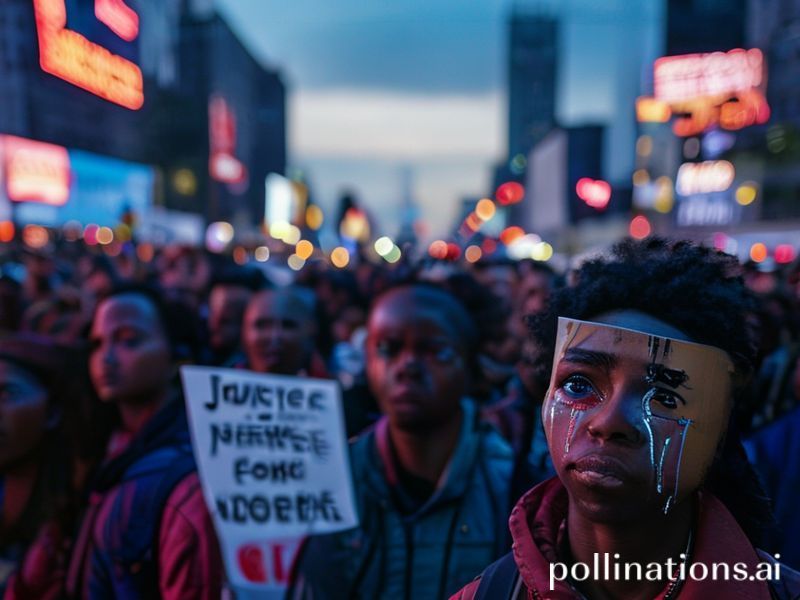
England stands at a crossroads. The weight of history, the fractures of modernity, and the relentless pace of change have created a nation wrestling with its own identity. The phrase “Dear England” has taken on new meaning—not just as a geographical label, but as a plea, a lament, and a call to action. This isn’t just about football, politics, or culture. It’s about what it means to be English in a world that feels increasingly fragmented.
The national conversation has intensified in recent years, fueled by Brexit, the legacy of empire, regional inequalities, and the ongoing debate over what it means to belong. The 2022 Commonwealth Games, the Euro 2020 final, and the monarchy’s shifting role have all served as cultural flashpoints. But beneath the headlines lies a deeper question: Is England still a coherent idea—or has it become a patchwork of conflicting narratives?
The Football Factor: When the Stands Speak Louder Than the Pitch
Football has long been England’s most visible cultural export. The national team’s journey in Euro 2020 brought millions together in a rare moment of unity. Yet it also laid bare the nation’s divisions. The booing of the European anthem, the backlash against players taking the knee, and the outpouring of pride when England nearly won a major tournament revealed a country at odds with itself.
Football’s role extends beyond sport. It reflects social tensions, generational divides, and the legacy of colonialism. Clubs like Manchester United and Liverpool have global fanbases, while smaller clubs struggle with financial instability. The Premier League, though a financial powerhouse, is increasingly seen as a symbol of inequality—both on and off the pitch.
- National pride vs. political division: The England team’s multicultural makeup is celebrated by some, politicised by others.
- Regional disparities: Clubs in the north face different challenges than those in London or the south-east.
- Commercialisation vs. authenticity: The globalisation of the game has enriched owners but alienated traditional fans.
For deeper analysis on how football shapes national identity, explore Sports on Dave’s Locker.
Brexit and the Ghost of Empire: Reckoning with the Past
Brexit wasn’t just a political decision; it was a cultural earthquake. For some, it represented a reclaiming of sovereignty. For others, it was a rejection of progress and a nostalgia for an imperial past that never truly existed. The debate over statues, colonial history, and Britain’s role in the world has intensified, with England at the centre of the storm.
Museums now grapple with how to tell the story of empire honestly. Schools debate whether to teach the full brutality of colonialism. Meanwhile, the cost-of-living crisis and economic uncertainty have left many questioning whether leaving the EU was worth it. The promised “Global Britain” feels distant, replaced by a sense of isolation.
This reckoning isn’t unique to England, but it’s particularly acute here. The country’s identity has long been tied to its global influence—an influence built on exploitation, trade, and cultural dominance. Now, that legacy is being challenged, and the response is anything but unified.
The Regional Divide: London vs. the Rest
England is not a monolith. While London thrives as a global financial hub, other regions face stagnation. The north-south divide is stark in healthcare, education, and infrastructure. The government’s levelling-up agenda promised change, but progress has been slow. Meanwhile, cities like Manchester, Birmingham, and Liverpool are carving out their own identities, often in defiance of centralised control.
This divide isn’t just economic. It’s cultural. London’s diversity is celebrated, while smaller towns grapple with demographic shifts and the rise of far-right rhetoric. The 2023 local elections saw unexpected gains for Reform UK in areas that feel left behind. The message is clear: when national institutions fail to deliver, people look to local solutions—or reject the system entirely.
For more on how regional identity shapes modern England, visit Culture on Dave’s Locker.
Looking Ahead: Can England Rediscover Itself?
The path forward is uncertain. Some advocate for a return to tradition—a reclaiming of Englishness rooted in history and heritage. Others push for a more inclusive, forward-looking vision, one that embraces multiculturalism and rejects the ghosts of empire. The monarchy’s role, the future of the BBC, and even the name of the country itself are all up for debate.
Yet amid the uncertainty, there are signs of hope. Grassroots movements are revitalising local communities. Artists and writers are reimagining English identity in bold, creative ways. And despite the divisions, there remains a shared sense of resilience—a belief that England can still find its way.
The question isn’t whether England will survive its identity crisis. It’s whether it can emerge stronger, more inclusive, and more honest about its past. The conversation has only just begun.
Key Takeaways
- The football paradox: England’s national team reflects both progress and deep-seated divisions.
- Brexit’s cultural fallout: The decision has forced a reckoning with history, identity, and global role.
- Regional fragmentation: The north-south divide is widening, with local identities gaining prominence.
- The monarchy’s evolving role: As the crown adapts, so too must England’s sense of self.
- Grassroots resilience: Despite the turmoil, new movements are shaping a more inclusive future.
England’s story is far from over. The question is who gets to write the next chapter—and what that chapter will look like.