carnival spirit
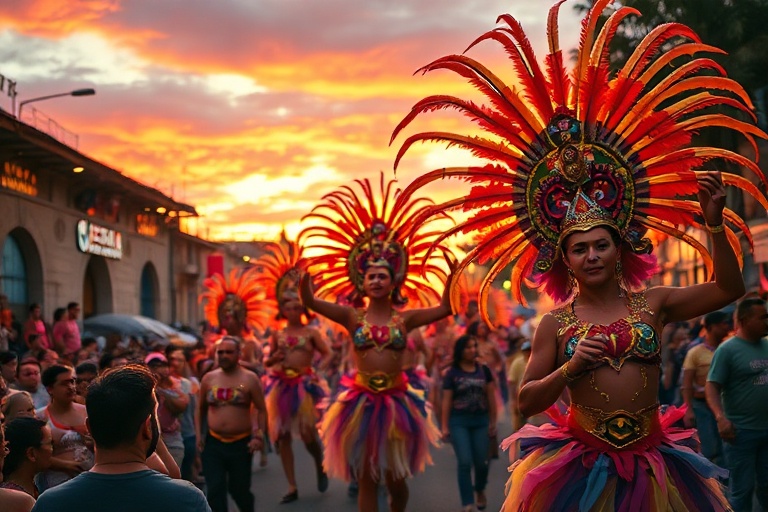
The carnival spirit is more than a seasonal celebration—it’s a cultural force that reshapes communities, fuels creativity, and fosters connection. From the vibrant parades of Rio de Janeiro to the intimate block parties of New Orleans, carnival represents a universal human impulse: the desire to break from routine and embrace joy, spontaneity, and collective expression. This spirit transcends borders, adapting to local traditions while maintaining a shared essence of liberation and festivity.
The Roots of Carnival: A Historical Perspective
Carnival’s origins trace back to ancient pagan festivals that celebrated the end of winter and the arrival of spring. The Romans’ Saturnalia and the Greek Dionysian festivals both featured masquerades, feasting, and role reversals—elements that persist in modern carnivals. When Christianity spread through Europe, these pagan traditions merged with pre-Lenten observances, creating the structured yet exuberant celebrations we recognize today. The medieval European Carnival (from the Latin carne vale, “farewell to meat”) became a time of indulgence before the austerity of Lent.
As European powers colonized the Americas and beyond, carnival evolved into a fusion of cultures. In Brazil, Portuguese colonizers blended with African traditions brought by enslaved people, giving birth to the samba rhythms and elaborate floats that define Rio’s Carnival. Meanwhile, in the Caribbean, French masquerade balls merged with African dance and drumming, creating events like Trinidad’s Carnival, where mas (costumes) and calypso music became central. These adaptations highlight carnival’s unique ability to absorb and reinterpret diverse influences.
Why Carnival Endures: Psychological and Social Benefits
The carnival spirit thrives because it satisfies deep-seated human needs. Psychologists suggest that festivals like carnival provide a sanctioned space for transgression—a temporary escape from societal norms where people can express repressed desires, identities, or emotions without fear of judgment. This release valve is crucial for mental well-being, offering catharsis in a world often constrained by rules and expectations.
Beyond individual benefits, carnival fosters social cohesion. Anthropologist Victor Turner’s concept of communitas—a temporary state of equality and solidarity—perfectly describes the atmosphere during carnival. Strangers become allies, class distinctions blur, and communities unite around shared joy. In cities like Venice, where masks obscure identities, carnival creates a paradoxical intimacy: anonymity allows for unfiltered connection.
Economically, carnival is a powerhouse. The entertainment industry thrives on carnival’s energy, with music, fashion, and tourism all benefiting from the festivities. According to a 2023 report by the World Travel & Tourism Council, carnival-related events contribute billions to local economies annually. For example, New Orleans’ Mardi Gras generates over $1 billion in revenue each year, supporting everything from small businesses to major hotel chains.
Key Elements That Define the Carnival Spirit
- Costuming and Masking: Costumes allow participants to embody different personas, from mythical creatures to satirical figures. Masks, like those in Venice, enable anonymity and freedom of expression.
- Music and Dance: Rhythms like samba, calypso, and steelpan drive carnival’s energy. Music isn’t just background noise—it’s the heartbeat of the celebration, dictating movement and mood.
- Community Collaboration: Carnival isn’t a spectator sport. Parades, floats, and street parties require months of collective effort, reinforcing social bonds.
- Satire and Subversion: Carnival often critiques authority through humor and parody. In Trinidad, calypso songs frequently lampoon politicians, while in Brazil, blocos (street parties) mock societal norms.
- Sensory Overload: The clash of colors, scents (think roasting corn and fried dough), and sounds creates an immersive experience that engages all five senses.
Carnival in the Digital Age: Evolution or Erosion?
In an era dominated by screens, carnival has adapted remarkably well. Social media has amplified its reach, allowing remote participants to engage with festivities through livestreams, hashtags, and viral challenges. Platforms like Instagram and TikTok have turned carnival moments—such as a stunning costume reveal or a synchronized dance routine—into global phenomena overnight.
However, this digital expansion raises questions about authenticity. When carnival experiences are reduced to shareable content, do they lose some of their communal magic? Critics argue that commercialization and influencer culture can dilute the grassroots spirit of carnival. Brands now sponsor parades, and ticketed “VIP experiences” segment audiences, potentially excluding those who can’t afford the price of admission.
Yet, technology also offers new avenues for preservation. Virtual reality (VR) carnival experiences, for instance, could make the festivities accessible to those with mobility challenges or geographic limitations. Digital archives of carnival history, like those created by the Culture section of Dave’s Locker, ensure that traditions aren’t lost to time. The challenge lies in balancing innovation with respect for carnival’s roots.
The Global Impact of Carnival: Beyond the Party
Carnival’s influence extends far beyond its immediate festivities. In many cultures, it serves as a vehicle for political resistance. During apartheid in South Africa, the Cape Town Carnival became a subtle act of defiance, celebrating Black identity under oppressive rule. Today, movements like Brazil’s Bloco da Luta use carnival to advocate for social justice, blending performance with activism.
Carnival also drives cultural diplomacy. Cities like Trinidad and Tobago, Brazil, and Italy leverage their carnivals as soft power tools, attracting tourists and fostering international goodwill. UNESCO has recognized several carnivals—such as Trinidad’s and Italy’s Carnevale di Viareggio—as intangible cultural heritage, underscoring their global significance.
Environmentally, carnival faces scrutiny for its waste and carbon footprint. Mass-produced costumes, single-use plastics, and long-distance travel for tourists contribute to ecological strain. In response, some communities are adopting sustainable practices. For example, Rio’s Sustainable Carnival initiative encourages recycling floats and using eco-friendly materials. These efforts reflect a growing awareness that carnival’s future must be as responsible as it is vibrant.
How to Infuse Carnival Spirit Into Everyday Life
While grand parades may only happen once a year, the carnival spirit can be cultivated daily. Here are ways to embrace its principles year-round:
- Embrace Playfulness: Schedule regular “play breaks” where you engage in activities purely for joy—dancing, painting, or even wearing a silly hat at home.
- Foster Community: Organize small-scale celebrations with neighbors, like a potluck where everyone dresses in a theme or a backyard dance party with a playlist curated by different friends.
- Practice Subversion: Find humor in everyday life. Write a satirical poem about your workplace or create a meme that pokes fun at a current event.
- Prioritize Creativity: Take up a craft, like mask-making or costume design, to tap into the artistic side of carnival. Even simple DIY projects can spark joy.
- Celebrate Diversity: Learn about global carnival traditions and incorporate elements into your routine. Try cooking a dish from a carnival culture or listening to its music during your commute.
Ultimately, the carnival spirit is about reclaiming agency over our lives. It reminds us that joy isn’t a luxury—it’s a necessity. In a world often divided by borders, politics, and screens, carnival offers a radical proposition: that we are all, in some way, connected by our capacity for wonder and celebration. Whether through a massive parade or a quiet moment of self-expression, the spirit of carnival endures as a testament to humanity’s unyielding desire to revel in the present.
So the next time you feel the weight of routine pressing down, ask yourself: What would carnival do? Then, go ahead and break the rules—just for a little while.