Chorley’s Quiet Revival: A Lancashire Town’s Cultural and Economic Transformation
Nestled in the heart of Lancashire, Chorley is a town that often flies under the radar despite its rich history and vibrant present. With a population of just over 35,000, this market town has quietly cultivated a reputation for resilience, creativity, and community spirit. From its industrial roots to its modern-day cultural scene, Chorley offers a compelling blend of tradition and innovation.
What makes Chorley stand out isn’t just its past but how it continues to shape its future. The town’s ability to adapt while preserving its identity has made it a microcosm of broader trends in post-industrial Britain. Whether through its thriving local businesses, cultural festivals, or green spaces, Chorley is redefining what it means to be a Lancashire town in the 21st century.
A Brief History: From Textiles to Transformation
Chorley’s story begins in the medieval era, but its growth was fueled by the Industrial Revolution. By the 19th century, the town had become a hub for cotton weaving, earning it the nickname “Cotton Town.” The industry brought wealth and workers, shaping Chorley’s urban landscape. Landmarks like the Chorley Town Hall, built in 1887, still stand as testaments to this era of prosperity.
The decline of the textile industry in the 20th century posed significant challenges. Factories closed, and jobs vanished, leaving the town to confront economic uncertainty. Yet, Chorley’s response was not one of despair but reinvention. The town pivoted toward manufacturing, engineering, and later, digital and creative industries. Today, Chorley’s economy is a diverse mix, reflecting its ability to evolve.
This transformation hasn’t been without its struggles. The closure of the British Leyland factory in the 1980s was a particularly painful blow, leaving deep scars in the local community. However, the resilience of Chorley’s residents has turned adversity into opportunity. The town’s focus on education and skills development, including partnerships with institutions like the University of Central Lancashire, has positioned it as a place of renewal.
Cultural and Community Life: The Pulse of Chorley
Chorley’s cultural scene is a dynamic force that binds the community together. The town hosts a variety of events that celebrate its heritage and creativity. The Chorley Food Festival, for example, draws visitors from across Lancashire, showcasing local producers and culinary talent. Meanwhile, the Chorley Music Festival and the annual carnival bring a sense of vibrancy and inclusivity to the town.
The Chorley Little Theatre is another cornerstone of the town’s cultural identity. Established in the 1920s, it has become a hub for amateur and professional performances, fostering local talent and providing entertainment for all ages. The theatre’s commitment to the arts reflects Chorley’s broader dedication to preserving and promoting its cultural heritage.
Community initiatives play a pivotal role in Chorley’s social fabric. Groups like the Chorley Heritage Centre work tirelessly to document and share the town’s history, ensuring that future generations understand its significance. Volunteers run local projects, from gardening clubs to youth programs, reinforcing the idea that Chorley is more than just a place—it’s a community.
Education also plays a critical role in shaping Chorley’s future. Schools like St. Michael’s Church of England High School and Chorley’s colleges have become focal points for both academic achievement and community engagement. These institutions not only educate but also serve as venues for local events, from art exhibitions to sports tournaments.
Key Aspects of Chorley’s Cultural and Community Life
- Annual Festivals: Events like the Food Festival and Music Festival celebrate local talent and attract visitors.
- Local Theatres: Chorley Little Theatre and other venues provide platforms for artistic expression.
- Heritage Preservation: Organizations like the Chorley Heritage Centre keep the town’s history alive.
- Community Projects: Volunteers lead initiatives that enhance quality of life and foster inclusivity.
- Educational Hubs: Schools and colleges serve as community centers, hosting a range of events and programs.
The Economy: Balancing Tradition and Innovation
Chorley’s economic landscape is a study in contrasts. On one hand, the town retains strong ties to its industrial past, particularly in manufacturing and engineering. Companies like BAE Systems and Leyland Trucks have significant operations in the area, providing stable employment and contributing to the local economy. These industries remain vital, but they are no longer the sole drivers of growth.
In recent years, Chorley has seen a surge in small businesses and startups. The town’s affordable real estate and skilled workforce have made it an attractive destination for entrepreneurs. From boutique shops to tech firms, these businesses are injecting new energy into the local economy. The Chorley Enterprise Hub, launched in 2018, has been instrumental in supporting these ventures, offering mentorship, resources, and networking opportunities.
Another area of growth is the digital sector. Chorley has become a surprising hotspot for tech innovation, with companies specializing in software development, cybersecurity, and digital marketing establishing a presence in the town. This shift reflects broader trends in the UK economy, where digital skills are increasingly in demand. Chorley’s ability to adapt to these changes positions it as a town that’s not just keeping up but leading in certain sectors.
The retail sector also plays a crucial role. The town center, with its mix of independent stores and high-street brands, remains a vital part of Chorley’s economic ecosystem. Efforts to revitalize the town center, such as the Chorley Towns Fund projects, aim to enhance its appeal and ensure it remains a destination for shoppers and visitors alike.
Chorley in the Broader Context: Lessons for Post-Industrial Towns
Chorley’s journey offers valuable insights for other post-industrial towns grappling with economic decline and social change. The town’s ability to reinvent itself underscores the importance of adaptability and community engagement. While Chorley’s story is unique, its lessons are universal: economic diversification, investment in education, and a commitment to preserving cultural identity can turn challenges into opportunities.
However, Chorley’s path hasn’t been without its hurdles. Issues like deprivation, healthcare access, and housing affordability persist. The town’s efforts to address these challenges, such as through the Chorley Health and Wellbeing Strategy, highlight the need for comprehensive, community-driven solutions. These initiatives are not just about improving infrastructure but about fostering a sense of belonging and shared purpose.
Chorley’s experience also raises questions about regional inequality in the UK. While towns like Chorley work to rebuild their economies, disparities in investment and opportunity remain stark. The government’s Levelling Up agenda aims to address these inequalities, but the success of such policies will depend on their ability to engage with local communities and tailor solutions to their specific needs. Chorley’s story demonstrates that real change requires more than funding—it requires collaboration and a deep understanding of local dynamics.
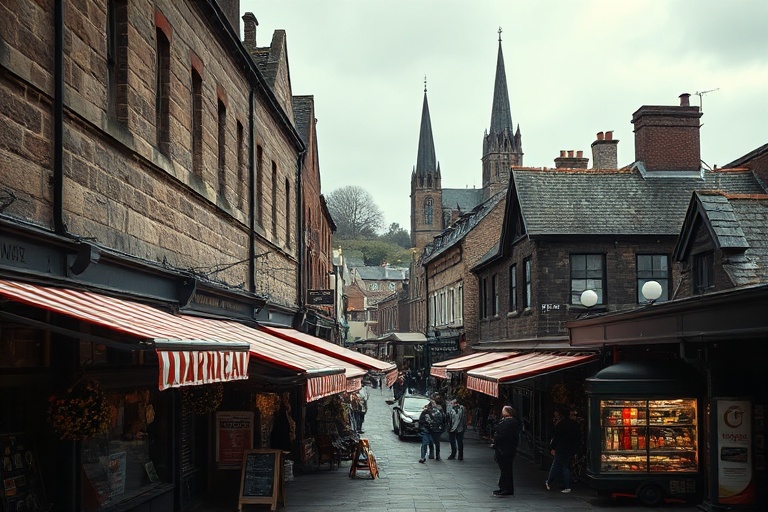
For visitors and potential investors, Chorley represents a hidden gem with untapped potential. Its blend of history, culture, and innovation makes it a compelling place to live, work, and explore. Whether it’s the charm of its market town center, the creativity of its arts scene, or the resilience of its people, Chorley has something to offer everyone.
Why Chorley Matters in the 21st Century
- Economic Resilience: Chorley’s ability to pivot from textiles to tech and manufacturing showcases the power of adaptability in post-industrial towns.
- Community-Centric Growth: Local initiatives and cultural projects ensure that development is inclusive and sustainable.
- Cultural Richness: From heritage preservation to contemporary arts, Chorley celebrates its identity while embracing innovation.
- Lessons for Policy: Chorley’s story highlights the importance of targeted investment and community engagement in regeneration efforts.
- Hidden Potential: For those willing to look beyond the obvious, Chorley offers opportunities in business, education, and culture.
Conclusion: A Town on the Rise
Chorley may not always make the national headlines, but its story is one of quiet determination and quiet success. The town’s ability to navigate the complexities of economic change while preserving its cultural heart is a testament to the strength of its community. As Chorley continues to evolve, it serves as a reminder that progress doesn’t always come with fanfare—sometimes, it’s found in the everyday resilience of a place and its people.
For those interested in exploring more about towns that are redefining their futures, Dave’s Locker Travel offers insights into destinations that blend tradition with innovation. Similarly, Dave’s Locker Culture covers stories of communities across the UK that are shaping their own narratives.
Chorley’s future is bright, not because it’s trying to be something it’s not, but because it’s embracing what it already is: a town with a rich past, a dynamic present, and a hopeful future.