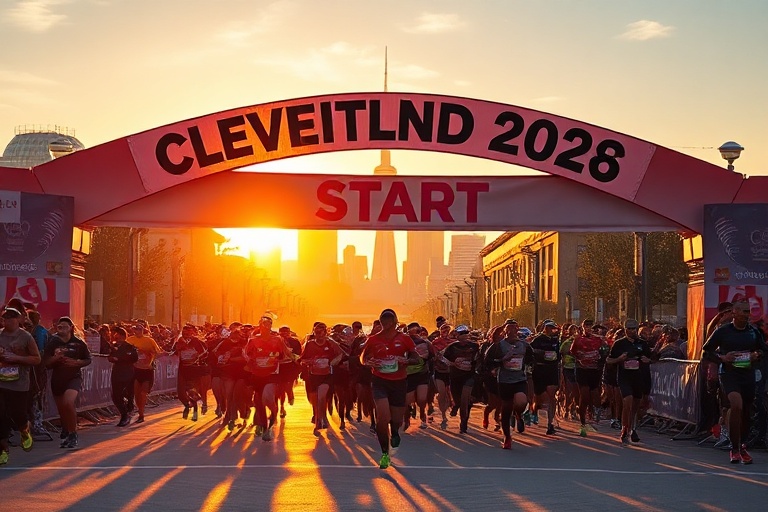
The Cleveland Marathon, long overshadowed by bigger urban races, is making a bold return in 2026 with a fresh vision. After a hiatus in 2023 and 2024, the event will return on May 17, 2026, promising a revitalized course, enhanced community engagement, and a renewed focus on local runners. This isn’t just a comeback—it’s a reinvention, designed to position Cleveland as a premier marathon destination.
Organizers have spent the past two years reimagining every aspect of the race, from the route to the runner experience. The goal is clear: create an event that reflects Cleveland’s spirit while attracting national attention. With a new executive team and a partnership with a major sports marketing firm, the marathon is poised to deliver more than just a race—it’s building a legacy.
Why Cleveland’s Marathon Matters in the Running World
Marathons are more than 26.2 miles of pavement; they’re economic drivers, cultural touchstones, and community unifiers. Cleveland’s race has historically lagged behind peers like Boston, Chicago, or New York, but that’s changing. The 2026 edition aims to leverage the city’s unique assets—its neighborhoods, Lake Erie shoreline, and revitalized downtown—to create an unforgettable experience.
Running events have become increasingly competitive, with cities investing millions to attract participants. Cleveland’s approach is different. Instead of flashy celebrity endorsements, the focus is on grassroots growth. The 2026 race will emphasize local runners, first-time marathoners, and adaptive athletes, ensuring the event feels inclusive rather than exclusive.
According to Dave’s Locker Sports, endurance events like marathons have seen a 12% increase in participation post-pandemic. Cleveland’s timing couldn’t be better. With race-day registration opening in early 2026, the city is banking on pent-up demand for major running events.
Key Changes Coming to the 2026 Cleveland Marathon
The revamped marathon isn’t just a return—it’s a transformation. Organizers have outlined several major updates that set it apart from past editions:
- New Course Design: The route now loops through downtown, the West Side Market, and Edgewater Park, offering runners a tour of Cleveland’s best landmarks. The out-and-back format has been replaced with a scenic point-to-point course that minimizes crowding.
- Expanded Categories: Beyond the traditional marathon, the event will feature a half-marathon, 5K, and adaptive divisions, ensuring accessibility for all skill levels and abilities.
- Sustainability Initiatives: The marathon will be the first in Ohio to achieve “Green Event” certification, with compostable cups, electric timing systems, and zero-waste goals.
- Community Integration: Local businesses, schools, and nonprofits will play a direct role in the event, from water station volunteers to post-race celebrations in neighborhood parks.
These changes reflect a broader trend in marathon culture. Events are no longer just about times and medals—they’re about experience. Runners want routes that tell a story, sustainability that aligns with their values, and community ties that make the race feel personal.
The Economic and Cultural Impact on Cleveland
Hosting a major marathon isn’t just about bragging rights—it’s about dollars and cents. A single marathon can generate $5–$10 million in economic activity, from hotel stays to restaurant meals. Cleveland, still rebuilding its post-industrial identity, sees this as an opportunity to showcase its revival.
The 2026 race is expected to draw 15,000–20,000 participants, with an additional 50,000 spectators. Hotels in downtown and near the finish line are already reporting bookings for race weekend. Local breweries, like Great Lakes Brewing Company, plan to host post-race gatherings, while the Rock & Roll Hall of Fame may offer special exhibits for out-of-town runners.
Cultural impact is harder to quantify but just as vital. Marathons create shared memories—think of the 2017 Boston Marathon bombing response or the 2019 Chicago Marathon’s record-breaking elite fields. Cleveland’s race could become a symbol of resilience, especially after the challenges of the past decade. The city’s comeback story, from the 2014 water crisis to its recent downtown development boom, mirrors the marathon’s own journey.
What Runners Need to Know for 2026
For those considering lacing up in 2026, here’s what to expect:
- Registration: Opens January 15, 2026, with early-bird pricing available until February 28. Expect a sell-out given the newfound hype.
- Training Support: The Cleveland Track Club will host free weekly group runs starting in September 2025, with coaching sessions for first-timers.
- Accommodations: Partner hotels are offering race-weekend packages, and Airbnb hosts near Edgewater Park are already marketing “runner-friendly” stays.
- Volunteer Opportunities: Over 2,000 volunteers are needed for everything from course marshals to medical support. Sign-ups open in December 2025.
- Spectator Tips: The best viewing spots are along Public Square and at the finish line in the North Coast Harbor. Arrive early—the streets close at 6 AM.
For elite runners, qualifying times will be slightly adjusted to account for the new course’s elevation changes. The hilly sections near Tremont may favor power runners over pure speedsters, adding an unpredictable element to the race.
A Marathon for the Next Generation of Runners
The Cleveland Marathon’s 2026 debut isn’t just about one event—it’s about building a foundation. Organizers envision a multi-year plan that includes:
- A youth running program in Cleveland schools, sponsored by local corporations.
- A partnership with the Cleveland Clinic to promote health and fitness in underserved communities.
- A “Legacy Runner” program, where participants can run for charity and earn a guaranteed entry spot for future years.
This approach aligns with broader trends in endurance sports. Runners today aren’t just chasing personal bests; they’re seeking purpose. Whether it’s fundraising for a cause or connecting with a community, marathons are evolving into experiences that extend beyond race day.
Cleveland’s gamble could pay off. If the 2026 marathon succeeds, it won’t just be another race on the calendar—it could become a model for how mid-sized cities revitalize their sporting events. The city’s gritty charm, affordable costs, and passionate running scene create the perfect backdrop for something special.
As the countdown to May 2026 begins, one thing is clear: Cleveland isn’t just bringing back a marathon. It’s launching a movement.
For more on endurance sports trends, visit Dave’s Locker Sports.