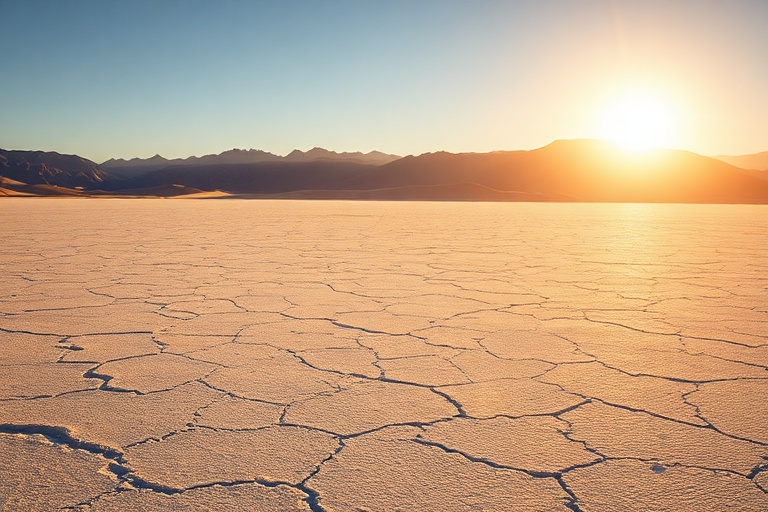
Death Valley: The Harshest Desert on Earth
Stretching across 3,000 square miles of southeastern California and Nevada, Death Valley is not just another desert. It is a place of extremes—where temperatures soar beyond human endurance, where ancient rocks tell stories of geological upheaval, and where life persists in forms that defy conventional wisdom. This is a land that has shaped myths, inspired explorers, and challenged scientists to rethink the boundaries of survival.
Designated as a national park in 1994, Death Valley is the largest national park in the contiguous United States. Its name alone evokes images of desolation and danger, but the valley is far more than a mere wasteland. It is a dynamic ecosystem, a repository of natural history, and a cultural symbol that has fascinated humans for millennia. From the Timbisha Shoshone people who have called this land home for generations to modern adventurers who brave its extremes, Death Valley remains a place of profound significance.
The Geological Marvels of Death Valley
Death Valley’s landscape is a testament to the power of geological forces. The valley sits at the bottom of a tectonic depression, part of the Basin and Range Province, where the Earth’s crust has been stretched and fractured over millions of years. This stretching created a series of parallel mountain ranges and valleys, with Death Valley being one of the deepest.
The valley floor lies 282 feet below sea level, making it the lowest point in North America. Surrounding it are towering peaks, including Telescope Peak, which rises 11,049 feet above sea level. The contrast between the valley floor and the mountains is stark, a visual reminder of the dramatic forces that have shaped this region.
One of the most striking features of Death Valley is its salt flats. Badwater Basin, the lowest point in the valley, is covered in a vast expanse of glistening white salt. This salt crust forms as water evaporates, leaving behind minerals that have accumulated over thousands of years. The salt flats are not just a geological curiosity; they are a dynamic environment where water and salt interact in ways that create surreal, almost otherworldly landscapes.
Another geological wonder is Artist’s Palette, a hillside streaked with vibrant colors. The hues—ranging from green to pink to purple—are the result of mineral oxidation. Over millions of years, rainwater dissolved minerals in the rocks, and as the water evaporated, these minerals were deposited in layers, creating the palette we see today.
For those interested in the science of geology, Death Valley offers an unparalleled outdoor classroom. The park’s website provides resources for visitors who want to delve deeper into its geological history, including official park maps and guides.
Surviving the Extremes: Life in Death Valley
Death Valley is often portrayed as a lifeless wasteland, but this perception could not be further from the truth. Despite the harsh conditions, the valley is teeming with life, both visible and hidden. The key to survival in this environment lies in adaptation, and the organisms that call Death Valley home have evolved remarkable strategies to thrive where others would perish.
Plants in Death Valley have developed ways to conserve water and endure extreme heat. Creosote bushes, for example, have small waxy leaves that reduce water loss, while desert holly uses a reflective surface to deflect sunlight. Even more astonishing are the wildflowers that bloom in the spring, transforming the valley into a sea of color. These flowers germinate only after rare, heavy rains, their seeds lying dormant for years until the right conditions arrive.
Animals, too, have adapted to the valley’s extremes. The Death Valley pupfish, a small blue-gray fish, thrives in the valley’s springs and marshes. These fish can survive in water temperatures that would kill most other species, and they have evolved to reproduce rapidly when conditions are favorable. Similarly, the desert tortoise, a threatened species, estivates during the hottest months, burrowing underground to escape the heat and conserve moisture.
Even in the salt flats, life persists. Microorganisms known as halophiles thrive in the hypersaline conditions, feeding on the minerals that make the water undrinkable for most creatures. These microbes are not just survivors; they are pioneers, paving the way for other forms of life in one of Earth’s most inhospitable environments.
The resilience of life in Death Valley is a reminder of nature’s tenacity. It challenges our understanding of where and how life can exist, offering insights that extend beyond Earth. Scientists studying extremophiles in Death Valley have drawn parallels to potential life on Mars, where similar conditions might once have existed. This connection between Death Valley and the search for extraterrestrial life underscores the valley’s importance not just as a natural wonder, but as a scientific frontier.
Death Valley in Human History and Culture
Death Valley’s harsh environment has shaped its human history in profound ways. For thousands of years, the Timbisha Shoshone people have lived in and around the valley, developing a deep cultural and spiritual connection to the land. They call the valley Tümpisa, meaning “rock paint,” a reference to the colorful minerals found in the area. The Timbisha Shoshone have long used the valley’s resources, from the salt of Badwater Basin to the mesquite beans that sustained them during long journeys.
The arrival of European settlers in the 19th century brought dramatic changes to the valley. In 1849, a group of pioneers heading to California became stranded in the valley during a particularly hot summer. Only one of their oxen died, leading a survivor to quip, “Goodbye, Death Valley,” as they escaped the valley’s clutches. This incident gave the valley its ominous name, though ironically, it was a place of survival rather than death for the Timbisha Shoshone.
The 20th century saw Death Valley transformed into a destination for adventurers and tourists. In 1927, a group of explorers discovered a mysterious set of sailing stones in Racetrack Playa, a dry lake bed where rocks appeared to move on their own. The phenomenon baffled scientists for decades until a study in 2014 revealed that thin layers of ice and wind were responsible for the stones’ slow, sliding movements. This discovery turned Racetrack Playa into a must-see attraction, drawing visitors from around the world.
Death Valley has also played a role in popular culture. It has served as a backdrop for films, including Star Wars and Thelma & Louise, and its stark landscapes have inspired artists and writers. The valley’s unique blend of beauty and brutality makes it a powerful symbol in literature and film, representing both the fragility and resilience of human life.
Today, Death Valley is a UNESCO World Heritage Site, recognized for its geological and ecological significance. It attracts over a million visitors each year, drawn by its extremes and the sense of adventure it evokes. Yet, for all its popularity, Death Valley remains a place that demands respect. Its dangers are real—heatstroke, dehydration, and disorientation can strike quickly—but so too are its rewards. Those who visit with caution and preparation often leave with a deeper appreciation for the natural world and humanity’s place within it.
A Visitor’s Guide to Death Valley
Visiting Death Valley is an experience unlike any other. Whether you’re a seasoned hiker, a photographer, or simply someone seeking a glimpse of Earth’s most extreme landscapes, the valley offers something unforgettable. However, preparation is key. The valley’s extremes can be unforgiving, and visitors must plan carefully to ensure a safe and enjoyable trip.
Here are some essential tips for visiting Death Valley:
- Timing is everything: The best time to visit is from October to April, when temperatures are milder. Summer visits are possible but should be limited to early morning or late evening activities.
- Stay hydrated: The valley’s dry air and intense heat can lead to dehydration in a matter of hours. Carry plenty of water—at least one gallon per person per day—and drink regularly, even if you don’t feel thirsty.
- Protect yourself from the sun: Wear a wide-brimmed hat, sunglasses, and sunscreen. Lightweight, long-sleeved clothing can also help shield you from the sun’s rays.
- Plan your route: Death Valley is vast, and cell service is unreliable. Use a GPS device or paper maps to navigate, and let someone know your itinerary before heading out.
- Respect wildlife: Observe animals from a distance and never feed them. The Death Valley pupfish and desert tortoise are protected species, and disturbing them can result in fines.
For those new to the region, the park offers several accessible attractions. Badwater Basin is a must-see, offering a chance to stand at the lowest point in North America. Mesquite Flat Sand Dunes provide a surreal landscape perfect for photography, while Zabriskie Point offers panoramic views of the valley’s colorful hills. More adventurous visitors can hike to Telescope Peak, the highest point in the park, or explore the remote Eureka Dunes, where the shifting sands create a haunting, otherworldly sound.
Death Valley is also a place of contrasts. Just a short drive from the valley floor, you can find Darwin Falls, a lush oasis fed by a year-round waterfall. This hidden gem is a reminder that even in the harshest environments, life and beauty can flourish.
Conclusion
Death Valley is more than a desert. It is a place of geological wonders, a testament to life’s resilience, and a cultural landscape shaped by human history. Its extremes challenge our perceptions of what is possible, both in nature and in our own endurance. For those who venture into its vastness, Death Valley offers not just a journey through a harsh and beautiful land, but a journey into the heart of what it means to survive and thrive against the odds.
Whether you’re drawn by the valley’s scientific mysteries, its cultural significance, or the sheer thrill of experiencing one of Earth’s most extreme environments, Death Valley promises an adventure that will leave a lasting impression. It is a place that reminds us of nature’s power, the fragility of life, and the indomitable spirit of those who call it home.