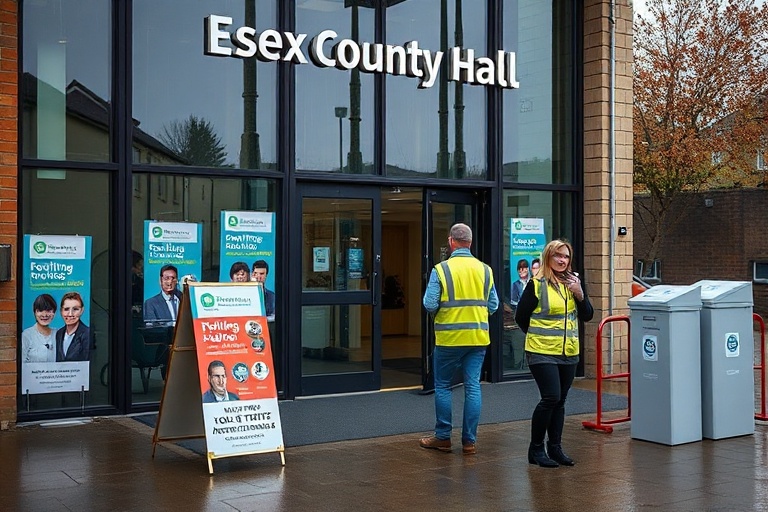
The stage is set for the Essex County Council elections in 2026, a pivotal moment for local governance in one of England’s most populous and diverse counties. With political landscapes shifting and voter priorities evolving, these elections will determine the future direction of services, infrastructure, and community policies across Essex. As parties prepare their strategies and candidates gear up for campaign trails, the 2026 elections promise to be a closely watched contest.
Essex, with its mix of urban centers like Chelmsford and Basildon and rural expanses in Uttlesford and Maldon, presents a unique electoral map. The council, responsible for services such as education, highways, and social care, faces ongoing challenges like housing shortages, transport congestion, and the need for sustainable development. These issues will undoubtedly shape the debates and manifestos leading up to polling day.
Key Issues Shaping the 2026 Election
The 2026 elections will unfold against a backdrop of pressing local concerns. Housing remains a dominant issue, with Essex experiencing rapid population growth and pressure on existing infrastructure. The council’s approach to planning and development will be a major talking point, particularly in areas where greenfield sites are at risk. Additionally, the state of local roads and public transport—often cited as inadequate—will likely feature prominently in campaign promises.
Another critical area is education. Essex County Council oversees a vast network of schools, and issues such as funding, pupil attainment, and school places are perennial concerns. The council’s ability to address these challenges will be scrutinized by voters, particularly parents and educators. Social care, too, remains a flashpoint, with aging populations and budget constraints demanding innovative solutions.
Environmental policies are also gaining traction. With climate change concerns rising, voters may push candidates on sustainability initiatives, waste management, and green energy projects. The council’s role in balancing economic growth with environmental stewardship will be a key differentiator for parties and candidates.
Party Strategies and Candidate Profiles
The political landscape in Essex is traditionally dominated by the Conservatives, who have held control of the council for decades. However, the 2024 general election results and local by-elections suggest a tightening race, with Labour and the Liberal Democrats making inroads in key areas. The 2026 elections will test whether these trends continue or if the Conservatives can regain momentum.
Labour has focused on issues like public transport and housing affordability, areas where they believe they can appeal to younger voters and urban communities. The Liberal Democrats, meanwhile, are targeting suburban and rural seats where local issues often outweigh party loyalty. Smaller parties, including the Greens and Reform UK, are also expected to play a role, particularly on environmental and immigration platforms.
A closer look at candidate profiles reveals a mix of long-serving councillors and fresh faces. Some incumbents may face challenges from within their own parties, while others will seek re-election on their records. The rise of independent candidates, often driven by local grievances, could also introduce unpredictability into the race.
Demographic Shifts and Voter Turnout
Essex’s electorate is not monolithic. The county’s diversity—encompassing wealthy commuter belts, deprived coastal towns, and agricultural communities—means that voter priorities vary widely. For example, residents in areas like Brentwood may prioritize infrastructure and property prices, while those in Thurrock could focus on employment and regeneration projects.
Age is another dividing line. Older voters, who traditionally turn out in higher numbers, may be concerned with social care and crime, while younger residents might prioritize climate action and housing affordability. Turnout disparities between age groups could significantly influence the outcome, particularly in marginal seats.
Recent changes to electoral boundaries, following the Boundary Commission’s review, will also impact the 2026 elections. These adjustments could either consolidate existing party strongholds or create new battlegrounds where incumbents face tougher competition. Candidates will need to adapt their campaigns to these new boundaries, which may shift the electoral calculus in unexpected ways.
Lessons from Past Elections
Looking back at the 2021 Essex County Council elections provides valuable context. The Conservatives secured 50 out of 75 seats, maintaining their majority, but Labour made gains in areas like Basildon and Castle Point. The Liberal Democrats also held their ground in traditional strongholds like Colchester. These results highlighted the importance of local issues over national trends, a pattern that may repeat in 2026.
One notable trend from 2021 was the rise of independent candidates, who won several seats by focusing on hyper-local concerns. This phenomenon underscores the potential for grassroots campaigns to disrupt traditional party politics. In 2026, independents may again play a spoiler role, particularly in areas where residents feel disconnected from mainstream parties.
Another lesson from 2021 is the impact of national political sentiment. The fallout from Brexit and the COVID-19 pandemic continued to influence voter behavior, with some electors punishing the governing party at the local level. As the 2026 elections approach, factors such as the national economic climate and the performance of the current government will inevitably seep into local campaigns.
What’s Next for Essex Voters?
With the 2026 elections still over a year away, the campaign trail is just beginning. Residents can expect a flurry of leaflets, hustings, and doorstep canvassing as parties vie for support. Voters should pay close attention to how candidates address the key issues shaping their communities, from housing and transport to education and the environment.
For those interested in the broader political context, local news coverage will provide updates on candidate selections and policy announcements. Meanwhile, the council’s own politics section offers insights into the decisions that have shaped Essex in recent years.
Ultimately, the 2026 elections will be about more than just party politics. They will reflect the priorities and concerns of Essex’s diverse communities, testing the ability of local representatives to deliver meaningful change. As the campaign unfolds, voters will have the opportunity to shape the future of their county—one ballot at a time.
The road to the 2026 Essex County Council elections is long, but the stakes are high. Whether you’re a lifelong resident or a newcomer to the area, staying informed and engaged will be crucial. The decisions made in the polling booths next year will echo through Essex for years to come.