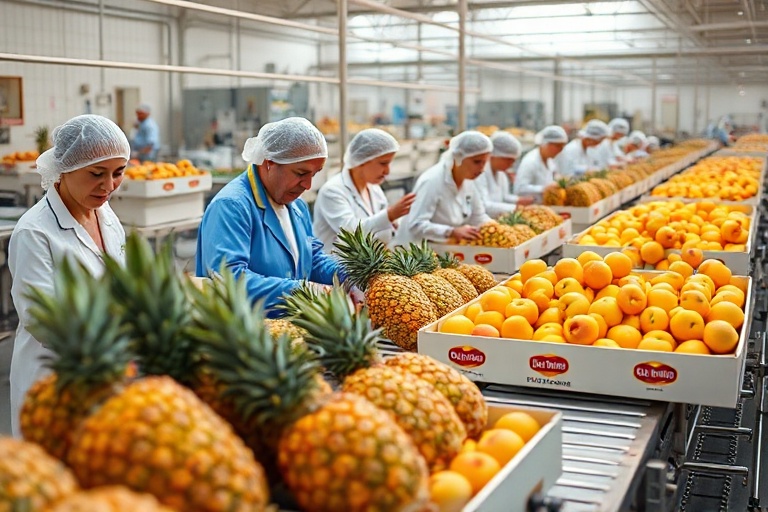
Del Monte: A Legacy of Innovation in Canned Foods
For over 130 years, Del Monte Foods has shaped the way America—and the world—consumes canned and packaged foods. From its origins as a pioneer in fruit preservation to its current position as a household name in pantry staples, the brand has navigated economic shifts, technological advancements, and changing consumer tastes with remarkable resilience. This article explores Del Monte’s journey, its impact on the food industry, and its enduring legacy in modern kitchens.
The Origins and Early Growth of Del Monte
Del Monte began in 1886 as the Oakland Preserving Company in California, founded by a group of fruit growers seeking better ways to preserve and distribute their harvests. The name “Del Monte” first appeared in 1892 when the company opened the Del Monte Hotel in Monterey, California, as a marketing strategy to associate its products with luxury and quality. The hotel became a gathering place for wealthy visitors, and its name was soon adopted for the company’s premium canned fruits and vegetables.
By the early 20th century, Del Monte had expanded its operations, acquiring canneries across California and the Pacific Northwest. The company played a pivotal role in standardizing food preservation techniques, introducing innovations like vacuum-sealing and tin canning that extended shelf life and maintained flavor. This technological leadership helped Del Monte become a trusted supplier to households nationwide, particularly during World War II, when canned goods were essential for military rations and civilian support.
In 1916, Del Monte merged with several other canning companies to form the California Fruit Growers Exchange, which later became the Del Monte Corporation. This consolidation allowed the brand to streamline production, improve distribution, and strengthen its market presence. By the mid-20th century, Del Monte had cemented its reputation as a leader in the canned food industry, with a product line that included everything from peaches and pineapples to green beans and tomatoes.
The Evolution of Del Monte’s Product Line
Del Monte’s success can be attributed to its ability to adapt to changing consumer preferences while maintaining the core quality of its products. In the 1950s and 1960s, the company capitalized on the post-war boom by introducing ready-to-eat canned vegetables and fruits, catering to the growing demand for convenience. Products like Del Monte Fruit Cocktail and Cream Style Corn became staples in American homes, often appearing on dinner tables nationwide.
The 1970s and 1980s brought further innovation, as Del Monte expanded into frozen foods and introduced healthier options, such as low-sodium and no-sugar-added varieties. The company also began exporting its products globally, establishing a presence in Europe, Asia, and Latin America. Today, Del Monte offers over 1,000 products, ranging from canned goods to fresh produce, juices, and even pet foods. Its portfolio reflects a blend of tradition and modernity, with classic canned items alongside contemporary offerings like organic soups and plant-based snacks.
One of Del Monte’s most notable recent initiatives is its commitment to sustainability. The company has invested in eco-friendly packaging, reduced water usage in its canneries, and partnered with farmers to promote regenerative agriculture. These efforts align with growing consumer demand for transparency and environmental responsibility in the food industry. Del Monte’s ability to balance innovation with tradition has allowed it to remain relevant in an increasingly competitive market.
Del Monte’s Cultural and Economic Impact
Del Monte’s influence extends beyond the grocery aisle. The brand has played a significant role in shaping American food culture, particularly during the 20th century when canned goods were a dietary cornerstone. Families relied on Del Monte products not only for their convenience but also for their consistency and affordability. The brand’s iconic blue and red label became synonymous with quality, and its advertising campaigns—often featuring wholesome, family-oriented imagery—reinforced its image as a trusted name.
Economically, Del Monte has been a major employer and economic driver, particularly in California’s agricultural regions. The company’s canneries and processing plants have provided thousands of jobs, supporting local economies and fostering community development. Del Monte’s business model also helped stabilize the market for farmers, offering a reliable outlet for their produce and ensuring fair pricing.
In recent years, Del Monte has faced challenges typical of legacy brands in a rapidly evolving industry. The rise of fresh and organic foods, as well as the growing popularity of meal kits and food delivery services, has forced the company to rethink its strategy. However, Del Monte has responded by diversifying its product offerings and investing in marketing campaigns that emphasize its heritage and quality. The brand’s ability to reinvent itself while staying true to its roots has been key to its longevity.
Key Milestones in Del Monte’s History
- 1886: Oakland Preserving Company is founded, later becoming Del Monte.
- 1892: The Del Monte Hotel opens in Monterey, California, lending its name to the brand.
- 1916: Merger forms the California Fruit Growers Exchange, the precursor to Del Monte Corporation.
- 1940s: Del Monte supplies canned goods for military rations during World War II.
- 1970s: Expansion into frozen foods and introduction of low-sodium options.
- 2000s: Global expansion and launch of organic and plant-based products.
- 2020s: Commitment to sustainability and eco-friendly packaging.
Challenges and Future Outlook
Despite its storied history, Del Monte faces several challenges in the modern food industry. Competition from organic and artisanal brands, as well as private-label products from major retailers, has intensified. Consumers today are more discerning, seeking products with clean labels, non-GMO ingredients, and transparent sourcing. Del Monte has responded by reformulating some of its classic products to meet these demands, such as removing artificial preservatives and reducing added sugars.
Another challenge is the shift in consumer behavior toward fresh and minimally processed foods. While canned goods remain popular for their convenience and long shelf life, younger generations are increasingly prioritizing fresh produce and meal kits. Del Monte has addressed this by expanding into fresh-cut fruits and vegetables, as well as partnerships with meal kit services. The company’s recent acquisition of the S&W brand, known for its canned beans and vegetables, further strengthens its portfolio in the premium segment.
Looking ahead, Del Monte’s future will likely depend on its ability to innovate while staying true to its heritage. The company’s focus on sustainability and health-conscious products positions it well to meet the demands of modern consumers. Additionally, Del Monte’s strong brand recognition and global distribution network provide a solid foundation for growth. As the food industry continues to evolve, Del Monte’s century-long legacy may well serve as a blueprint for balancing tradition and innovation.
Why Del Monte Still Matters Today
In an era where food trends come and go, Del Monte stands out as a testament to the enduring appeal of quality, convenience, and innovation. The brand’s ability to adapt to changing times while maintaining its core values has ensured its place in kitchens across America and around the world. Whether it’s a classic can of Del Monte peaches or a new organic soup, the brand continues to deliver products that resonate with consumers of all ages.
Del Monte’s story is also a reminder of the importance of heritage in branding. In a market saturated with new and trendy products, consumers often gravitate toward brands they know and trust. Del Monte’s long history and consistent quality have earned it a place in the pantheon of American food brands, alongside names like Campbell’s and General Mills. This legacy is not just a marketing tool but a reflection of the brand’s commitment to delivering value to its customers.
For those interested in exploring Del Monte’s product range or learning more about its history, the brand’s official website offers a comprehensive overview of its offerings. You can also find a selection of Del Monte’s classic and modern products in the Food category on Dave’s Locker, where enthusiasts and collectors alike can discover nostalgic and hard-to-find items.
Del Monte’s journey from a small California cannery to a global food powerhouse is a story of innovation, resilience, and adaptability. As the brand continues to evolve, it remains a testament to the enduring power of quality and tradition in the food industry. Whether you’re a longtime fan or a newcomer, there’s no denying the impact Del Monte has had—and will continue to have—on how we eat.