FA Cup Final Kick-Off Time: Tradition vs Modern Broadcast Needs
The FA Cup Final is one of English football’s most hallowed traditions, steeped in history and watched by millions. As the competition evolves, so too does the scheduling of its climax. The kick-off time for the FA Cup Final has shifted over the decades, reflecting changes in broadcasting, fan engagement, and commercial pressures. Understanding these shifts offers insight into how tradition and modernity coexist in one of sport’s oldest competitions.
The Historical Roots of the FA Cup Final Kick-Off
When the FA Cup Final began in 1872, it was played in the afternoon, typically around 3:30 PM. This timing allowed working-class fans to attend matches after their shifts, as football was still a predominantly local, community-driven activity. The early finals were often played at Kennington Oval, and the timing was practical rather than ceremonial.
By the mid-20th century, the kick-off time had settled into a familiar pattern. The 3:00 PM slot became standard for decades, aligning with the traditional Saturday afternoon football schedule. This time slot also accommodated the BBC’s live radio coverage, which was a primary way fans experienced the match. For generations, gathering around the wireless or later the television at 3:00 PM on a Saturday became a ritual for football fans across the UK.
Why the Kick-Off Time Has Shifted in Recent Decades
The late 20th and early 21st centuries brought significant changes to football broadcasting. The rise of pay-TV and global audiences meant that the FA Cup Final’s timing had to adapt to maximize viewership and revenue. ITV’s acquisition of FA Cup rights in the 1990s marked the first major shift, with finals often moved to later kick-offs to accommodate prime-time television slots.
Since 2014, BT Sport (now TNT Sports) has shared broadcasting rights with the BBC. This partnership has led to more strategic scheduling, with finals frequently scheduled for 5:00 PM. The reasoning is twofold: it allows for extended pre-match coverage without clashing with earlier Premier League games, and it targets a prime evening audience both in the UK and internationally.
- Broadcast revenue: Later kick-offs attract higher TV ratings and advertising revenue.
- Global audiences: A 5:00 PM BST start means live coverage in Asia and Australia during evening hours.
- Fan experience: Evening finals allow for more extensive pre-match build-up and post-match analysis.
- Sponsorship opportunities: Prime-time slots attract bigger commercial partners.
Fan and Tradition Backlash Against Later Kick-Offs
Not everyone welcomes the move away from the traditional 3:00 PM slot. Purists argue that the afternoon kick-off is part of the FA Cup’s heritage, connecting it to its working-class roots. Families traditionally planned day trips to Wembley, with children finishing school and parents finishing work in time to watch the match together. A 5:00 PM start disrupts these routines, particularly for younger fans.
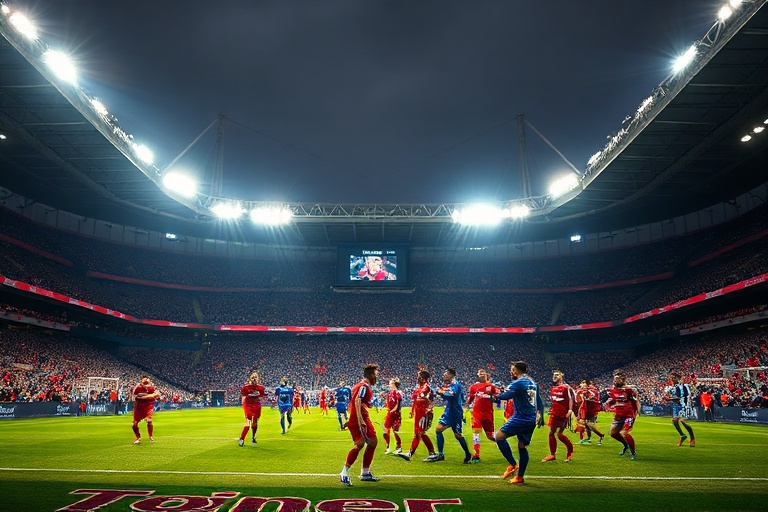
There’s also concern about the atmosphere at Wembley. While a 5:00 PM kick-off may suit broadcasters, it can affect the stadium’s ambiance. Afternoon finals often benefit from warmer weather, longer daylight, and a more festive crowd. Evening finals, while still electric, can feel more subdued, especially in cooler months.
The FA has defended the later kick-offs, citing “the need to balance tradition with the demands of modern broadcasting.” They point out that the FA Cup Final remains one of the few sporting events that still sells out Wembley within hours of the finalists being confirmed. The tension between heritage and commercialism is unlikely to disappear, but the FA appears committed to gradual evolution rather than radical change.
The Future of FA Cup Final Kick-Off Times
Looking ahead, the FA Cup Final’s kick-off time will likely continue to be a compromise between tradition and pragmatism. There’s little appetite for abandoning the afternoon slot entirely, but broadcasters and sponsors exert significant influence. One potential compromise could be experimenting with a 4:00 PM start, offering a middle ground that respects tradition while meeting modern demands.
Technology may also play a role. With the rise of streaming services and on-demand highlights, the importance of a fixed kick-off time could diminish. Fans may increasingly consume the match on their own schedules, reducing the urgency to align with prime-time television. However, the communal experience of watching the FA Cup Final live remains a powerful draw, and the timing will always influence that experience.
For now, the 5:00 PM kick-off seems entrenched, but football’s governing bodies are sensitive to fan sentiment. If dissatisfaction grows, particularly among younger supporters, adjustments may be made. The FA Cup Final’s kick-off time is more than a scheduling quirk—it’s a reflection of how deeply football is woven into British culture and how that culture is constantly renegotiated.
Key Takeaways on FA Cup Final Kick-Off Times
- Historical consistency: The 3:00 PM kick-off was standard for much of the 20th century, rooted in working-class accessibility.
- Broadcast evolution: The shift to 5:00 PM in recent years reflects the rise of pay-TV and global audiences.
- Fan sentiment: Purists prefer the afternoon slot for its tradition and family-friendly appeal.
- Commercial pressures: Broadcasters and sponsors favor later starts for higher ratings and revenue.
- Potential future changes: A 4:00 PM compromise or tech-driven flexibility could emerge as solutions.
For more on the FA Cup’s history and its place in English football, visit our Sports section. To explore how broadcasting trends are reshaping football, check out our Analysis category.
“The FA Cup Final’s kick-off time is a microcosm of football’s broader evolution—where heritage and innovation are constantly in dialogue.”
The FA Cup Final remains a cornerstone of English sporting culture, and its timing is a small but telling detail in a much larger story. Whether it’s 3:00 PM or 5:00 PM, the final retains its magic. The challenge for football’s governing bodies is to preserve that magic while adapting to a rapidly changing world.