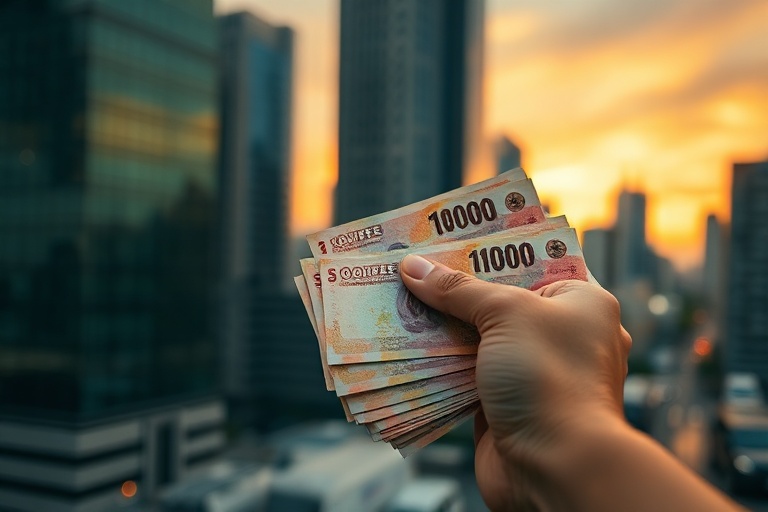
Understanding the Philippine Peso: Stability, Challenges, and Future Outlook
The Philippine peso has long been a barometer for the country’s economic resilience, reflecting both domestic policies and global market trends. As Southeast Asia’s fifth-largest economy, the Philippines relies on a stable currency to fuel trade, attract investment, and maintain public confidence. Yet recent years have introduced fresh challenges, from inflationary pressures to shifting trade dynamics, all while the peso navigates an unpredictable global financial landscape.
The Peso’s Role in the Philippine Economy
The Philippine peso, abbreviated as PHP, is more than just a medium of exchange—it’s a cornerstone of economic stability. As the official currency, it underpins daily transactions, from local markets to multinational corporate deals. The peso’s strength or weakness directly impacts the cost of imports, the purchasing power of Filipino consumers, and the competitiveness of local industries.
Over the past decade, the peso has experienced notable fluctuations. The Bangko Sentral ng Pilipinas (BSP), the country’s central bank, has played a critical role in managing these swings through monetary policy interventions. By adjusting interest rates and maintaining foreign exchange reserves, the BSP aims to curb excessive volatility and support sustainable growth.
Despite these efforts, external factors often dictate the peso’s trajectory. Global oil prices, U.S. Federal Reserve policies, and geopolitical tensions can send ripples through the currency market. For instance, when the U.S. raises interest rates, the peso typically weakens as investors seek higher returns in dollar-denominated assets. This dynamic underscores the peso’s vulnerability to external shocks, a challenge the BSP continues to address with a mix of caution and adaptability.
Key Drivers Behind Recent Peso Movements
Several factors have shaped the peso’s performance in recent years. Understanding these drivers provides insight into the currency’s future trajectory and the broader economic implications.
- Monetary Policy Divergence: The BSP’s policy stance often contrasts with that of the U.S. Federal Reserve. When the Fed tightens monetary policy, the peso faces depreciation pressure. Conversely, dovish Fed policies can provide relief. This divergence creates a delicate balancing act for the BSP, which must align domestic needs with global realities.
- Inflation Trends: Rising inflation erodes the peso’s purchasing power. The Philippines has grappled with inflation spikes, driven by factors such as supply chain disruptions and elevated commodity prices. The BSP’s response—raising interest rates—aims to curb inflation but can also dampen economic growth.
- Remittances and BPO Revenue: Overseas Filipino workers (OFWs) and business process outsourcing (BPO) firms are key sources of foreign exchange. Remittances, which account for nearly 10% of the country’s GDP, provide a steady inflow of dollars. Similarly, the BPO sector’s robust performance bolsters the peso’s stability.
- Trade Balance and Current Account: The Philippines runs a structural trade deficit, importing more than it exports. This imbalance exerts downward pressure on the peso. Efforts to diversify exports and reduce import dependence are critical for long-term currency stability.
Broader Implications of a Weakening Peso
A weaker peso is a double-edged sword. While it can boost export competitiveness by making Filipino goods cheaper abroad, it also increases the cost of imports, particularly oil and electronic components. This dynamic fuels inflation, straining household budgets and corporate profit margins. For policymakers, the challenge lies in mitigating these adverse effects without stifling economic growth.
The tourism sector, another vital pillar of the Philippine economy, also feels the peso’s fluctuations. A weaker currency can attract more foreign tourists, as their dollars stretch further. However, it can also deter outbound travel for Filipinos, who face higher costs when traveling abroad. Balancing these trade-offs requires a nuanced approach, blending short-term interventions with long-term structural reforms.
For investors, the peso’s volatility presents both risks and opportunities. Foreign direct investment (FDI) flows can be sensitive to currency movements. A stable peso encourages long-term commitments, while excessive volatility may deter cautious investors. The Philippines must therefore cultivate an environment that balances stability with growth potential to attract capital.
Looking Ahead: What’s Next for the Philippine Peso?
The peso’s future hinges on several critical developments. Domestically, the BSP’s ability to manage inflation and maintain policy credibility will be paramount. Internationally, the Fed’s policy trajectory and global commodity prices will continue to exert influence. Additionally, structural reforms—such as improving infrastructure and easing business regulations—could enhance the peso’s resilience by fostering a more competitive economy.
One promising trend is the Philippines’ push toward digitalization. The adoption of digital payments and fintech solutions could reduce reliance on cash transactions and improve financial efficiency. This shift may also enhance the BSP’s ability to monitor and regulate the currency market more effectively.
Another factor to watch is the potential impact of climate change. The Philippines is one of the most vulnerable countries to extreme weather events, which can disrupt agricultural production and supply chains. A weaker peso exacerbates these challenges by increasing the cost of imported goods like rice and fuel. Investing in climate resilience and sustainable agriculture could mitigate these risks and support currency stability.
Ultimately, the Philippine peso’s strength reflects the country’s broader economic health. While external forces will always play a role, domestic policies and structural reforms remain the most potent tools for ensuring long-term stability. By addressing inflation, diversifying the economy, and fostering a business-friendly environment, the Philippines can position the peso as a symbol of resilience rather than vulnerability.
For those interested in exploring the interplay between currency movements and economic policy, Dave’s Locker Finance offers in-depth analysis and expert commentary. Whether you’re an investor, policymaker, or simply a curious observer, understanding the peso’s dynamics is key to grasping the Philippines’ economic trajectory.