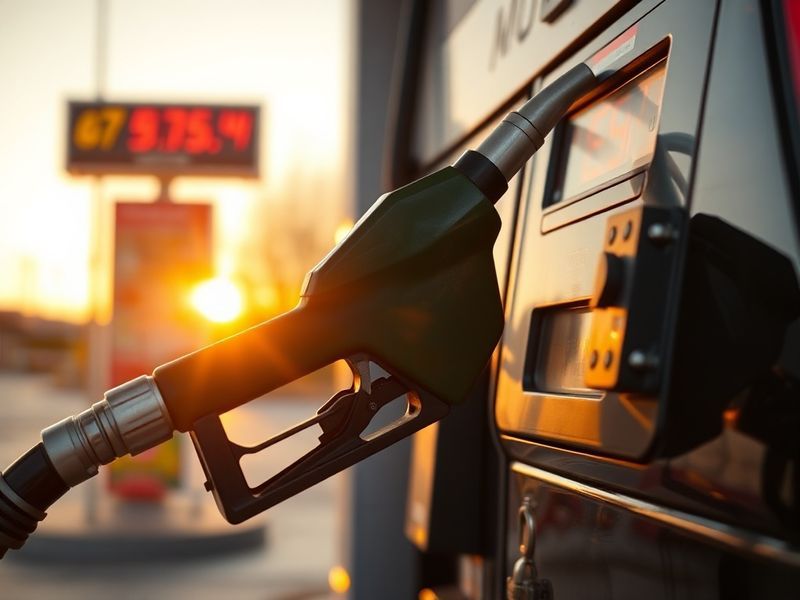
Fuel Prices Explained: Causes, Trends, and Economic Impact
“`html
Understanding Fuel Prices: Causes, Trends, and Broader Impact
The price at the pump is more than just a number on a sign—it reflects global economics, geopolitical tensions, and shifts in energy policy. Fuel prices have been a persistent concern for consumers, businesses, and policymakers alike. While fluctuations are normal, recent years have seen volatility that goes beyond seasonal trends. This volatility stems from a mix of supply-side constraints, demand recovery, and unexpected disruptions.
Understanding these dynamics requires looking beyond the surface. It involves examining the roles of OPEC+, refining capacity, renewable energy transitions, and even extreme weather events. The consequences ripple through industries, from transportation and logistics to agriculture and manufacturing. For everyday drivers, it means higher costs for commuting, travel, and household budgets. For businesses, it translates into squeezed margins or passed-on expenses that affect consumer prices.
This analysis breaks down the factors driving fuel prices, explores recent trends, and examines the wider implications for both the economy and society.
The Forces Shaping Fuel Prices
Fuel prices are not set in isolation. They are the result of a complex interplay between global supply, demand, and external shocks. One of the most influential players is OPEC+, the coalition of oil-producing nations that coordinates production levels to stabilize markets. When OPEC+ announces cuts, prices often rise in anticipation of tighter supply. Conversely, increases in production can lead to price drops, though not always immediately.
Another critical factor is refining capacity. Even with ample crude oil, refineries must process it into usable fuels like gasoline and diesel. When refinery operations face disruptions—whether from maintenance, accidents, or regulatory constraints—supply tightens, pushing prices higher. The pandemic exposed vulnerabilities in this system, as reduced demand led to refinery closures and maintenance delays, creating a bottleneck that persists in some regions today.
Beyond production and refining, geopolitical tensions play a significant role. Conflicts in oil-rich regions, sanctions on major producers, or threats to shipping lanes can disrupt supply chains overnight. For instance, the war in Ukraine disrupted Russian oil exports to Europe, forcing the continent to seek alternative sources and driving up global prices. These events highlight how fuel prices are tied to global stability—or instability.
Climate policies and energy transitions also influence long-term price expectations. As countries push for renewable energy adoption, investment in fossil fuel infrastructure slows. This can reduce future supply, creating upward pressure on prices. At the same time, renewable energy sources like wind and solar are becoming cheaper, gradually reducing reliance on gasoline and diesel. The transition is uneven, however, and in the short term, it can contribute to volatility as markets adjust.
Recent Trends and Price Movements
Over the past five years, fuel prices have followed a rollercoaster pattern. The pandemic initially caused a dramatic crash in oil prices, with West Texas Intermediate (WTI) crude falling below zero for the first time in history in April 2020. This collapse was driven by a sudden drop in demand as lockdowns halted travel and commuting.
Since then, prices have rebounded sharply. By mid-2022, gasoline prices in the U.S. surpassed $5 per gallon, a level not seen in decades. This surge was fueled by several factors: post-pandemic demand recovery, Russia’s invasion of Ukraine, and limited refining capacity. The situation worsened in 2023 when OPEC+ extended production cuts, tightening global supply further.
In early 2024, prices stabilized somewhat but remained elevated compared to pre-pandemic levels. Analysts cite several reasons for this plateau:
- Mild winter weather in key regions reduced heating oil demand, easing pressure on refineries.
- Increased U.S. shale production helped offset some of the OPEC+ cuts, adding barrels to the market.
- Strategic petroleum reserve releases by governments, including the U.S., added temporary supply.
- Slowing global economic growth in some major economies reduced fuel consumption.
Despite these adjustments, prices remain sensitive to new disruptions. A single hurricane, pipeline outage, or geopolitical flare-up can send prices climbing again.
Broader Implications: From Wallets to Corporate Strategies
The impact of fuel prices extends far beyond the gas station. For consumers, higher fuel costs translate directly into reduced disposable income. Households with long commutes or multiple vehicles feel the pinch first. Low-income families, who spend a larger share of their budgets on transportation, are disproportionately affected. This can lead to delayed purchases, reduced savings, or even financial strain.
For businesses, fuel expenses are a major operational cost. Trucking companies, airlines, and shipping firms often pass these costs to consumers, contributing to inflation. In agriculture, higher diesel prices increase the cost of planting, harvesting, and transporting crops. Even e-commerce giants like Amazon, which rely on vast delivery networks, see margins shrink when fuel prices rise.
Governments also feel the effects. In many countries, fuel taxes and duties make up a significant portion of government revenue. When prices rise, political pressure mounts to reduce taxes or provide subsidies. However, such measures can strain public finances and undermine long-term energy transition goals. For example, European nations that subsidized fuel during the 2022 energy crisis saw budget deficits widen and climate targets delayed.
On a global scale, high fuel prices can exacerbate inequalities between oil-importing and oil-exporting nations. Countries like the U.S., China, and India, which rely heavily on imported oil, face trade deficits and inflationary pressures. Meanwhile, oil-producing nations such as Saudi Arabia and the UAE benefit from higher revenues, allowing them to invest in diversification or social programs.
What’s Next? Navigating an Uncertain Future
The path forward for fuel prices is uncertain, but several trends are likely to shape the market in the coming years. One is the energy transition. As electric vehicles (EVs) become more affordable and widespread, gasoline demand may peak and then decline. BloombergNEF projects that EVs could account for 60% of global car sales by 2030, reducing oil demand by millions of barrels per day. This shift could ease price pressures in the long run but may also lead to stranded assets in the oil industry.
Another factor is geopolitical realignment. The rise of new alliances, such as the BRICS bloc, could reshape global energy trade. If member countries increase oil trade among themselves, traditional markets like the U.S. and Europe may face supply constraints. Conversely, if cooperation improves, it could stabilize prices by ensuring consistent supply.
Technological advancements also offer potential solutions. Innovations in battery storage, hydrogen fuel, and advanced biofuels could diversify the energy mix. However, scaling these technologies takes time and investment. In the interim, fossil fuels will remain dominant, leaving markets vulnerable to shocks.
For policymakers, the challenge is balancing short-term relief with long-term sustainability. Subsidies can ease immediate pain but may distort markets and delay necessary transitions. Carbon pricing, while politically contentious, could incentivize efficiency and investment in renewables. Meanwhile, strategic stockpiles and emergency response plans can mitigate supply disruptions.
For consumers, the best defense is adaptability. Carpooling, public transit, biking, or even remote work can reduce fuel dependency. For businesses, diversifying supply chains and investing in fuel-efficient technologies can build resilience. And for investors, the energy transition presents opportunities in renewables, battery technology, and sustainable infrastructure.
One thing is clear: fuel prices will continue to be a defining economic issue. Their fluctuations will test the adaptability of households, businesses, and governments alike. The choices made today will determine whether the world navigates this volatility with resilience or vulnerability.
For more insights into how energy trends affect daily life, explore our Automotive and Business & Finance categories on Dave’s Locker.